Alibaba releases N1 Pro smart glasses with eye tracking and iris payments
In brief
- Alibaba's N1 Pro smart glasses were released October 13, 2026, according to Crypto Briefing.
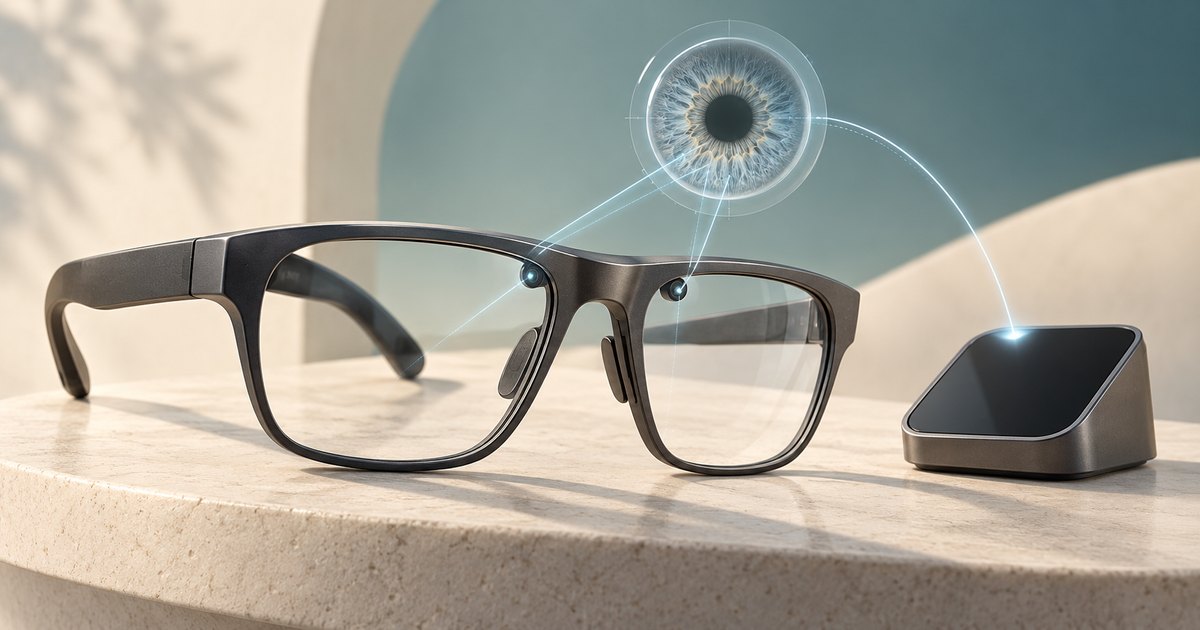
- N1 Pro supports eye tracking and iris payments, per the report.
- Earlier S1 and G1 models started at 3,799 yuan and 1,899 yuan.
- Crypto Briefing frames Meta's Ray-Ban glasses and Xiaomi as key rivals.
From a Shanghai demo to an N1 series
Alibaba first showed its Quark AI Glasses at the World AI Conference in Shanghai in July 2025. They went on sale in China on November 27, 2025.
Two models came first. The premium S1 used micro-OLED displays and started at 3,799 yuan (about $537), while the lighter G1 was the budget option at 1,899 yuan (around $268), per Crypto Briefing. Both ran on Qualcomm's Snapdragon AR1 platform, with Alibaba's Qwen AI handling the AI functions.
Most of the features run through Alibaba's own apps. Owners got real-time translation, Alipay payments and Taobao shopping integration, which ties the glasses closely to the company's commerce stack.
In March 2026 the glasses made their global debut at Mobile World Congress in Barcelona. A series of over-the-air software updates followed and added features for existing owners without new hardware.
What the N1 Pro adds
The N1 series is the newest piece. Crypto Briefing reported that the lineup includes a Pro version with eye tracking and iris payments, but the outlet doesn't quote or link an Alibaba statement for those specs or for the October 13 release date.
That's worth keeping in mind.
The stated goal is to make the glasses a capable hands-free assistant.
Meta, Xiaomi and a crowded field
In Crypto Briefing's analysis, that goal puts Alibaba's glasses in direct competition with Meta's Ray-Ban smart glasses. The outlet also named Xiaomi as a rival with deep hardware experience and a loyal domestic customer base.
The report pointed to some tailwinds. It said the Qwen app recorded over 400 million downloads by late 2025 (the outlet's figure, which it doesn't attribute to Alibaba). It also said Chinese government initiatives to boost the AR sector have helped domestic players.
Can Alibaba take this beyond China? Crypto Briefing said global penetration remains uncertain.
Frequently asked questions
How much do Alibaba's smart glasses cost?
According to Crypto Briefing, the premium S1 model started at 3,799 yuan, or about $537, and used micro-OLED displays. The lighter G1 was the budget option, starting at 1,899 yuan, around $268. Both ran on Qualcomm's Snapdragon AR1 platform.
What does Alibaba's N1 Pro add to its smart glasses lineup?
Crypto Briefing reported that the N1 series includes a Pro version that supports eye tracking and iris payments, released on October 13, 2026. The report doesn't quote or link an Alibaba statement for those details.
Who competes with Alibaba in AI smart glasses?
Crypto Briefing's analysis puts Alibaba's glasses in competition with Meta's Ray-Ban smart glasses. It also cited Xiaomi as a rival with deep hardware experience and a loyal domestic customer base.