Meta's Muse AI shopping agent adds Walmart, Gap, Sephora, Wayfair, Best Buy

In brief
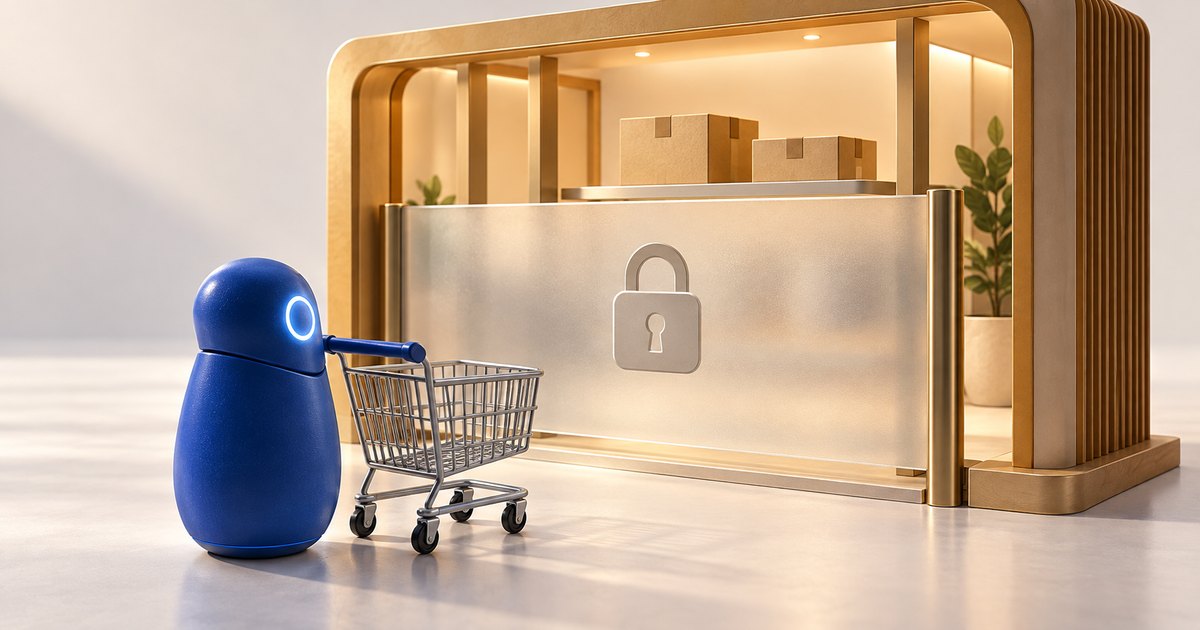
- Walmart, Gap, Sephora, Wayfair and Best Buy became Muse retail partners in a Meta announcement on September 23.
- Muse launched September 8. It browses retail sites, recommends products and completes purchases.
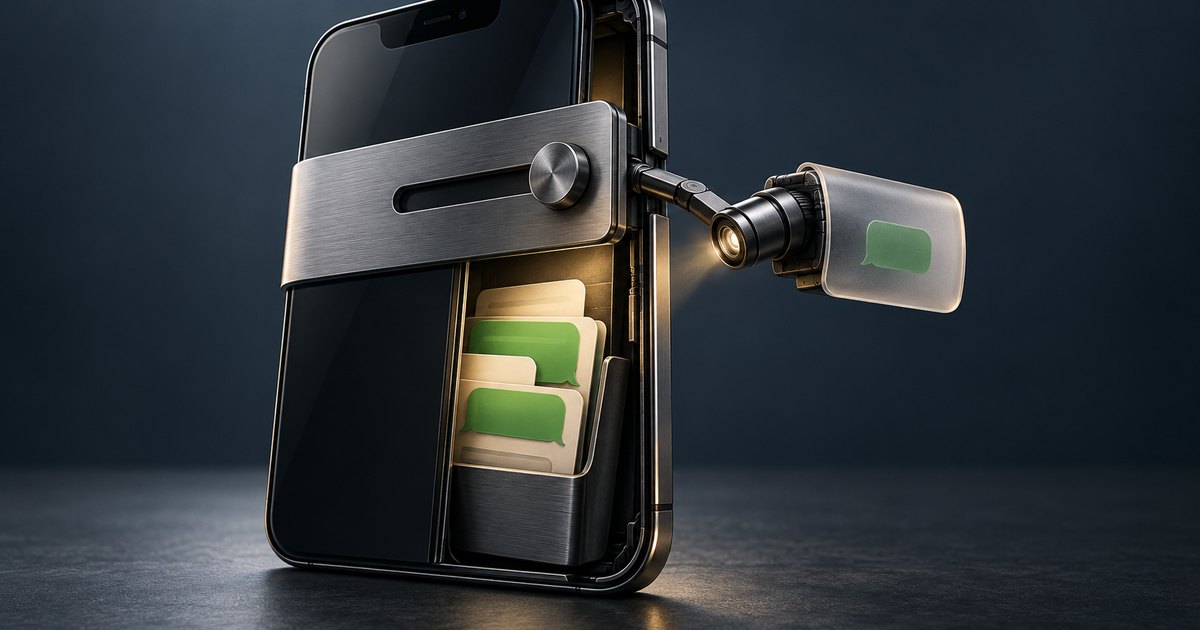
- Every Muse transaction requires user approval. Tasks run inside the Muse Secure VM.
- Amazon blocked Muse, according to Crypto Briefing. The article cites no statement from Amazon.
- Small per-transaction fees will be Meta's main Muse revenue source, Zuckerberg has indicated.
From launch to checkout in two weeks
Meta unveiled Muse on September 8, 2026, pitching it as an agent built to carry out multi-step tasks. Users can have it browse retail sites, surface product recommendations and complete the purchase. Meta requires user approval before Muse handles a transaction. Crypto Briefing summed up the arrangement like this:
Meta requires user approval before Muse handles a transaction, so the agent can fill the cart but cannot swipe the card without permission.
The app runs those tasks inside a dedicated environment Meta calls the Muse Secure VM.
Payments came in stages. Stripe Link was available at launch, Shopify Shop Pay was added around September 21-22 and PayPal followed around September 22, per Crypto Briefing's report. Meta has signaled that more shopping connectors and payment options are expected as the service develops. LeoDex News hasn't independently verified the retail partnerships or the payment integrations (both are attributed to Meta's announcement as reported by Crypto Briefing).
Downloads, and an Amazon block
Crypto Briefing reported that Muse reached between 2.5 and 2.8 million US downloads in its first two weeks and climbed to the top ranks of the App Store. The outlet didn't name a data firm behind that figure.
Amazon isn't on the list. According to the same report, Amazon blocked Muse from accessing its platform in mid-to-late September and pointed to concerns over consent and credential security. Crypto Briefing doesn't cite any Amazon statement, so those reasons aren't confirmed.
That's a notable gap for a shopping agent.
How Meta plans to earn from it
Muse comes with a free access tier plus paid tiers priced at $20 and $100. Subscriptions don't appear to be the main plan, though. Mark Zuckerberg has indicated Meta intends to monetize Muse primarily through small per-transaction fees rather than relying only on subscription revenue, according to Crypto Briefing.
Crypto Briefing's analysis argues this could reshape e-commerce by moving revenue models from ads toward transaction fees, with knock-on effects for retailers and for how consumers shop. That's the outlet's read, not ours.
Frequently asked questions
Can Meta's Muse buy things without the user's approval?
No. Meta requires user approval before Muse handles a transaction, according to Crypto Briefing. The agent can browse retail sites, recommend products and fill the cart, but it can't complete the purchase on its own. Tasks run inside a dedicated environment Meta calls the Muse Secure VM.
How does Meta plan to make money from Muse?
Muse has a free access tier plus paid tiers priced at $20 and $100. Mark Zuckerberg has indicated, per Crypto Briefing, that Meta intends to monetize Muse primarily through small per-transaction fees rather than relying only on subscription revenue.
Which payment options does Muse support?
Stripe Link was available when Muse launched. Shopify Shop Pay was added around September 21-22 and PayPal around September 22, according to Crypto Briefing. Meta has signaled more shopping connectors and payment options are expected as the service develops.