Morgan Stanley's Byrd estimates 70 GW US data center power shortfall through 2028
In brief
- Morgan Stanley projects 97 GW of US data center power demand through 2028, per Crypto Briefing
- The 97 GW estimate is 43% above the bank's earlier 68 GW projection
- Onsite generation cuts the estimated net shortfall to around 33 GW
- Smaller developers face greater delay risk than major tech players, the research says
Demand estimate jumps 43%
The 97 GW projection is a 43% jump from the bank's earlier estimate of 68 GW, Crypto Briefing reported. Morgan Stanley's research tied the upward revision to rising chip shipments and increasingly power-hungry rack systems (Nvidia's among them). The shortfall estimate moved too. An earlier pre-solutions calculation put the gap at roughly 57 GW, and later modeling raised that to 70 GW.
LeoDex News hasn't reviewed the Morgan Stanley report itself, so every figure here is the bank's estimate or projection as relayed by Crypto Briefing.
Onsite power narrows the gap but doesn't close it
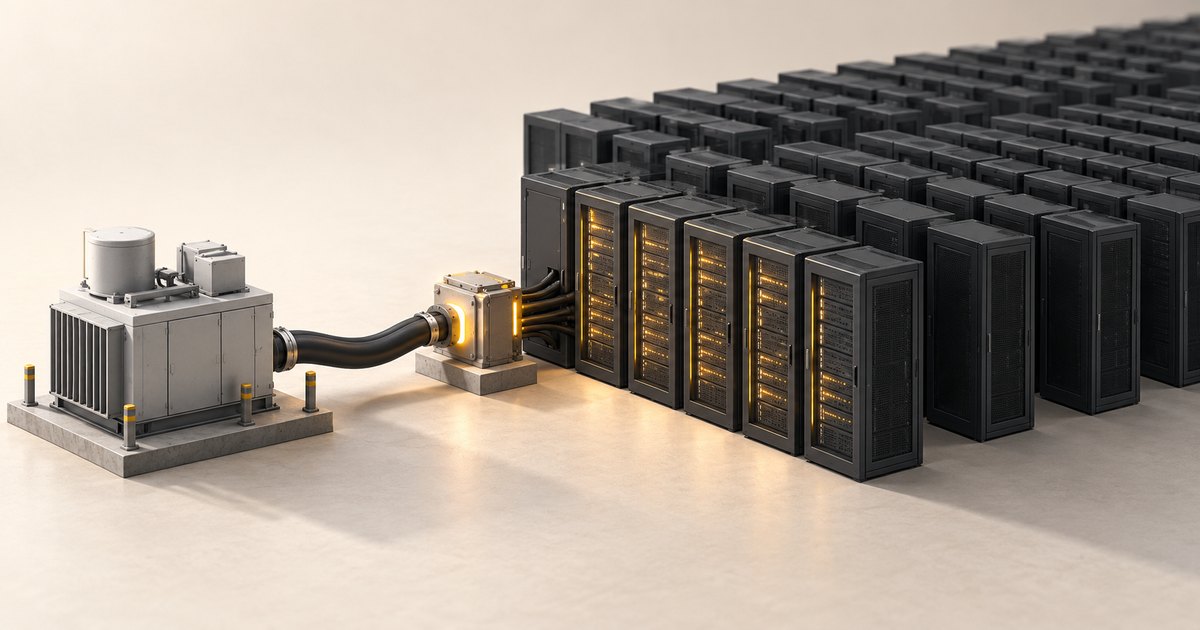
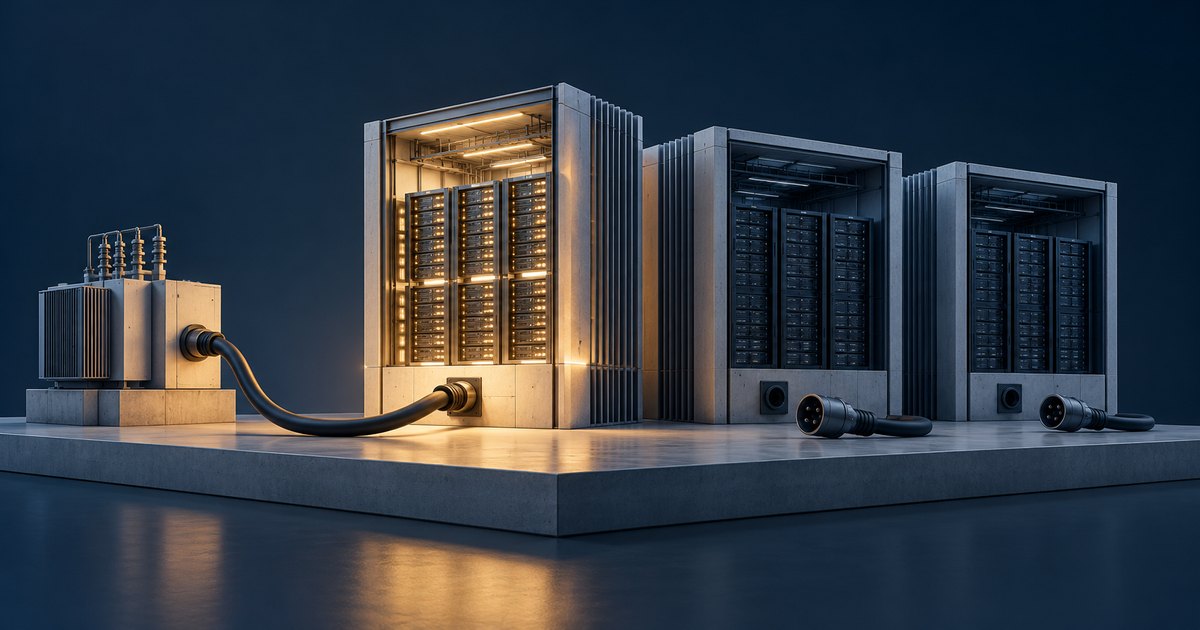
Once onsite generation is counted (gas turbines and Bloom Energy fuel cells, plus nuclear co-location), the research puts the net shortfall at around 33 GW. That's about 34% of projected total demand. The number isn't fixed, either: forward modeling cited in the research suggests the gap could widen to between 68 and 72 GW by 2029.
The broader point in Byrd's work is that the binding constraint is moving from chip supply chains to electricity availability. Converted Bitcoin mines show up on the list of possible fixes, since those facilities already have grid connections and power capacity on industrial sites built for heavy electrical loads. The research frames them as an ancillary piece of the solution, not a core one.
Who gets power first?
According to the research, major tech players sit in a better position to secure power. Smaller developers face a greater risk of delays. They have less leverage with utilities and less capital to fund onsite generation, and when grid capacity runs short they've got fewer options.
The research also says Nvidia appears relatively insulated from the shortages compared with almost all other semiconductor providers. That's Morgan Stanley's assessment, not ours.
The stakes are large. Tech companies' future capital spending is estimated to reach into the trillions, Crypto Briefing noted, without saying who made that estimate. If the bank's modeling holds, much of that money will depend on whether developers can get electricity, not just chips.
Frequently asked questions
How big is the US data center power shortfall Morgan Stanley estimates?
Morgan Stanley's Stephen Byrd estimated a 70 GW shortfall through 2028, according to Crypto Briefing. After counting onsite generation such as gas turbines, Bloom Energy fuel cells and nuclear co-location, the research puts the net gap at around 33 GW, about 34% of projected total demand.
Why did Morgan Stanley raise its data center power demand estimate?
The bank raised its projection of US data center power demand through 2028 to 97 GW, up 43% from an earlier 68 GW, Crypto Briefing reported. The research tied the revision to rising chip shipments and increasingly power-hungry rack systems, including Nvidia's.
Which data center developers are most exposed to power shortages?
According to the Morgan Stanley research, major tech players are better positioned to secure power, while smaller developers face a greater risk of delays. Smaller firms have less leverage with utilities, less capital for onsite generation and fewer options when grid capacity runs short.