Nvidia's Jensen Huang rejects Anthropic CEO Amodei's call for total China chip ban
In brief
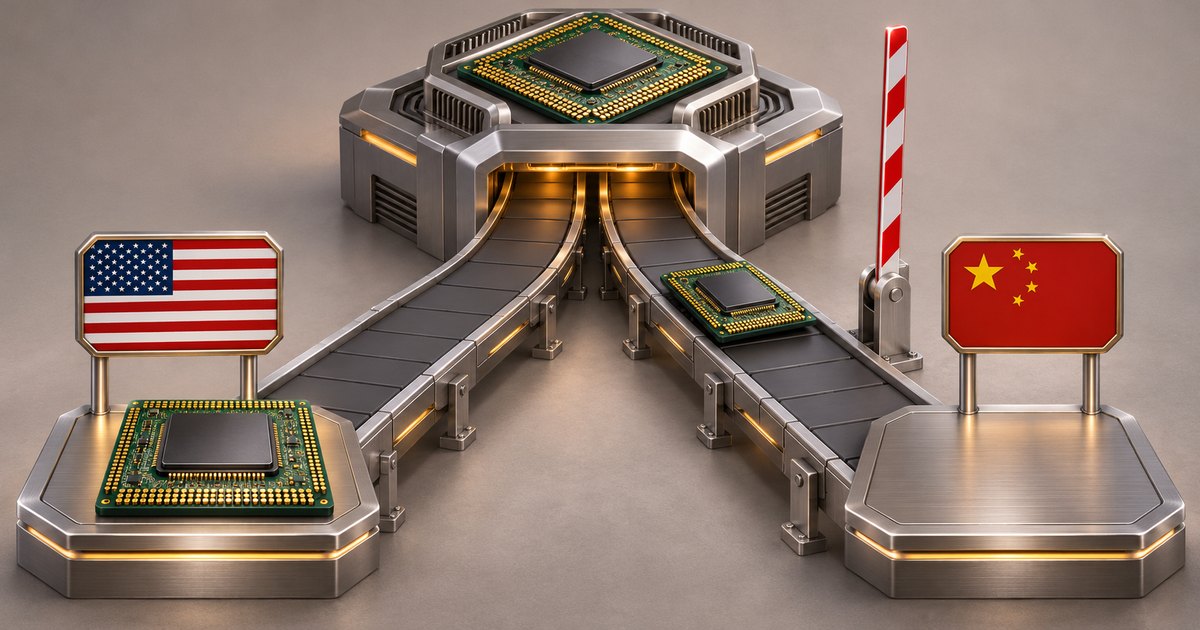
- Nvidia's Jensen Huang rejected a total ban on advanced AI chip sales to China in a CBS interview.
- Huang said US firms should get Nvidia's top hardware first while Nvidia keeps competing worldwide.
- Huang claimed Vera Rubin is in volume production and the US is years ahead of China.
- Anthropic CEO Dario Amodei compared China chip sales to selling nuclear weapons to North Korea, Crypto Briefing reported.
What Huang said
Huang isn't calling for a free-for-all on chips. He said domestic firms should receive Nvidia's top technology before anyone else, and he argued that US companies should keep their presence in global markets rather than retreat from them. Crypto Briefing summed up his position this way: competition is a feature of the American system, not a bug to be engineered away (that wording is the outlet's, not a direct quote).
He also made two claims LeoDex News can't independently verify. According to Huang, Nvidia's Vera Rubin generation is in volume production and available to key US labs. The second claim is about where the US stands against China.
On the broader race, Huang claimed the US is “several years ahead of China” in AI technology development.
Amodei's counterargument
Amodei has pushed hard in the other direction. According to Crypto Briefing's account, the Anthropic chief has compared continued chip sales to China to "selling nuclear weapons to North Korea." The outlet didn't say when or where he made that comparison.
The two CEOs aren't arguing from the same seat.
Why the split matters
So why do two of AI's most prominent executives land so far apart? Crypto Briefing reported that the debate unfolded amid increasing US export restrictions on advanced technology and ongoing geopolitical tensions between Washington and Beijing, and its own read is that the divide tracks business models.
Huang runs a company that sells AI hardware. Amodei runs a company that builds AI models using that hardware. In the outlet's view, hardware makers tend to favor engagement with China, while AI developers like Anthropic have pushed for stricter controls.
That framing comes from Crypto Briefing, not from either executive. Huang's case, as reported, is that American labs get first access and Nvidia keeps selling everywhere else. Amodei's case is that the sales shouldn't happen at all. Huang restated his opposition to a total ban in the CBS interview, and Crypto Briefing describes the disagreement as dating back to at least early 2026 (that's the outlet's characterization, not something either CEO said).