OECD raises 2026 growth forecast to 2.9% as AI investment offsets energy shock
In brief
- OECD raised 2026 global growth forecast to 2.9% from 2.8%, driven by AI infrastructure investment
- Middle East conflict disrupted oil and gas supplies, but AI capex offsets the energy shock
- G20 inflation forecast raised to 4.1% for 2026, 3.6% for 2027, with 1.1-point downside risk
- US growth projected at 2.2% in 2026; China 4.5%; euro area 1.0% both years
AI Investment Offsets Energy Disruption
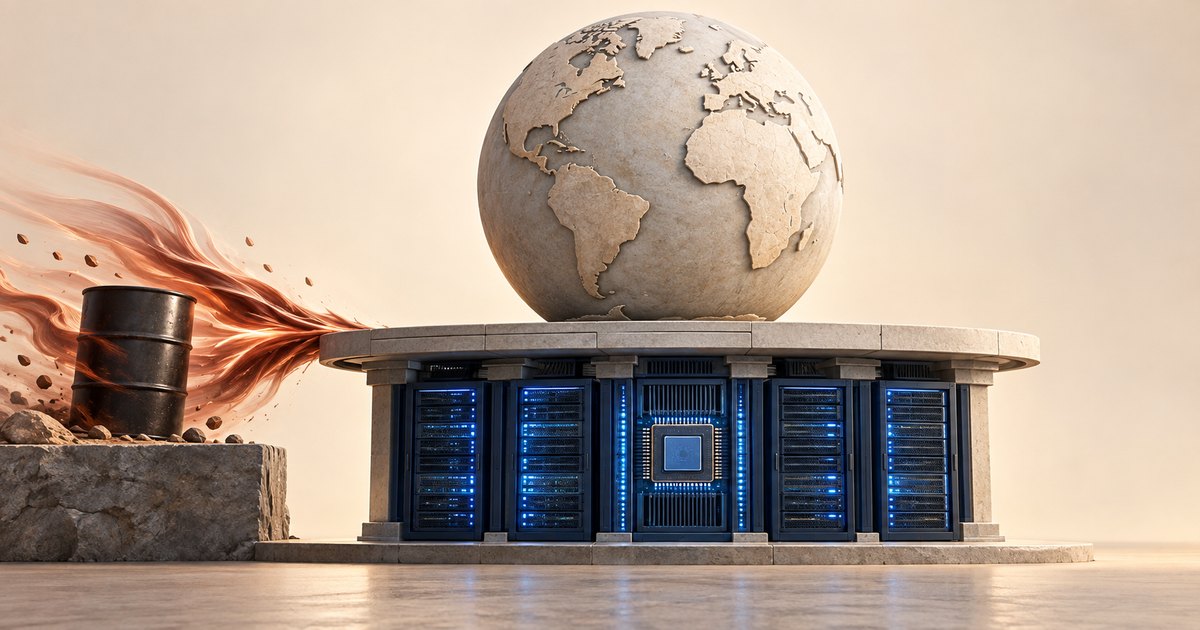
Companies are spending enormous sums on data centers, chips, and AI infrastructure. That wave of capital expenditure is offsetting the energy price pressures created by geopolitical instability in the Middle East. The OECD's September outlook reflects this dynamic: despite a 10-month energy crisis, global growth remains resilient.
The United States is expected to lead this momentum. The OECD now projects US growth at 2.2% in 2026 and 2.1% in 2027, powered by capital pouring into AI-related infrastructure. Japan and South Korea are catching a tailwind too, benefiting as technology exporters to the AI buildout. China is forecast to grow 4.5% in 2026 and 4.2% in 2027, though at a slower pace than prior years.
The euro area, however, remains the laggard—stuck at a projected 1.0% growth for both 2026 and 2027.
Inflation Rising, Risks Mounting
The energy shock is feeding inflation. The OECD now expects G20 inflation to hit 4.1% in 2026, up from its June forecast of 4.0%. The 2027 picture is sharper: the 2027 inflation forecast saw a much sharper revision, jumping to 3.6% from a previously projected 3.1%.
This is where the good news frays. The OECD downgraded its 2027 global growth forecast to 3.0% from 3.1% previously, signaling concern that momentum may not hold.
The organization identified a cluster of downside risks. Continued energy volatility, El Niño weather patterns, rising bond yields, and disappointing returns on AI investments could collectively reduce 2027 growth by 0.7 percentage points. If those risks all materialize simultaneously, inflation could spike by an additional 1.1 percentage points.
Governments have leaned on strategic inventories and alternative supply sources to absorb the energy blow, but the OECD warns that these buffers are depleting. The question for 2027 isn't whether AI investment will sustain growth—it's whether energy markets will stabilize before the geopolitical and financial headwinds converge.