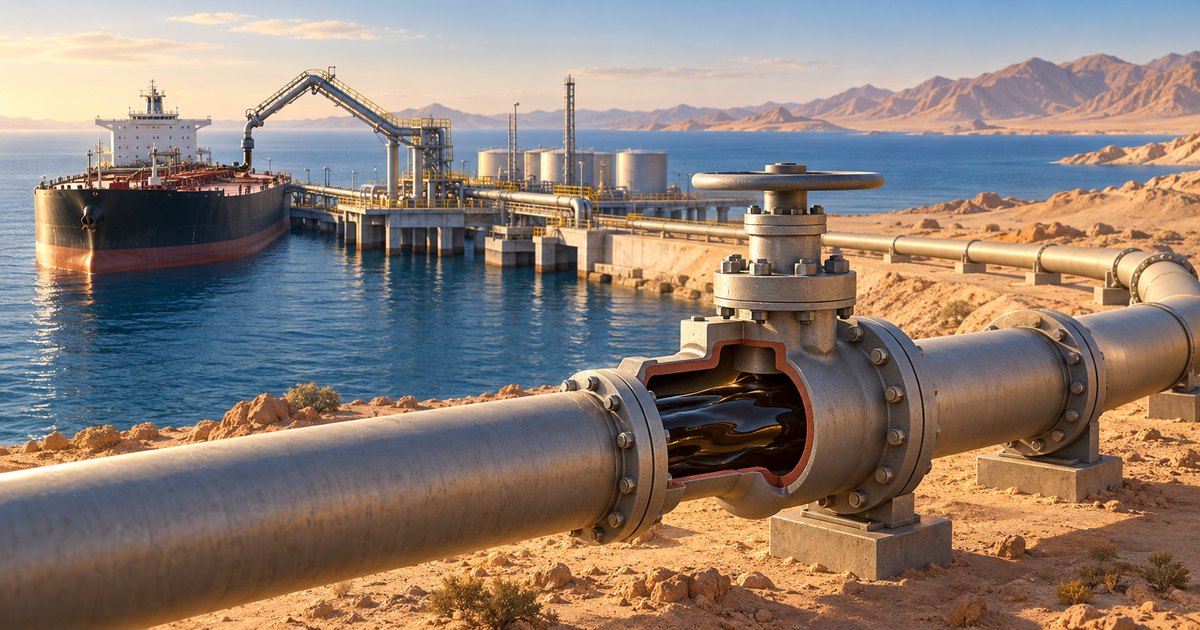
Glencore leads $12B US critical minerals stockpile project
In brief
- Project Vault pairs $10B EXIM financing with $2B private capital for critical minerals stockpile
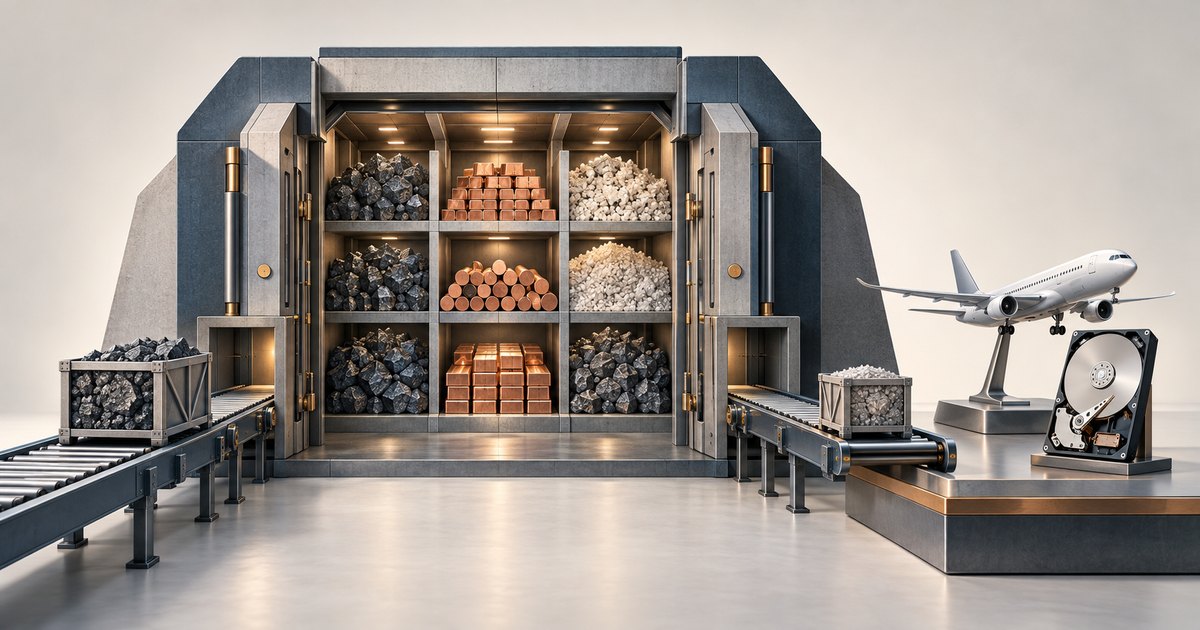
- Glencore and trading firms source materials; Boeing and major OEMs procure from reserve
- Initiative bypasses Chinese refining bottleneck through allied-nation production routing
- Friend-shoring strategy counters China's rare earth and cobalt export restrictions
The $12 Billion War Chest
Project Vault represents the largest loan in EXIM's entire history. The combined public-private financing creates what policymakers call "friend-shoring"—a strategy that prioritizes sourcing from allied nations rather than geopolitical rivals. Major OEMs including Clarios, GE Vernova, Western Digital, and Boeing sit on the demand side, committing to purchase from the stockpile and de-risking the initiative.
Glencore's role is strategic. The company is one of the world's largest cobalt producers, with major assets in the Democratic Republic of Congo. Its ability to procure cobalt and deliver it directly into a US-controlled stockpile sidesteps the Chinese refining bottleneck. During Glencore's February 2026 earnings commentary, the company highlighted planned cobalt purchases tailored toward fulfilling commitments to the US stockpile.
Why China's Grip Matters
The geopolitical backdrop is stark. China controls the processing and refining of a staggering share of the world's critical minerals across rare earths, cobalt, lithium, gallium, and germanium. Cobalt is essential for lithium-ion batteries, and the Democratic Republic of Congo dominates global production while China controls the bulk of refining capacity. Recent export restrictions by China on several critical minerals have made the vulnerability impossible to ignore.
Project Vault sidesteps this chokepoint entirely. The initiative can tap into production from Australia, Canada, South America, and parts of Africa without routing materials through Chinese processing facilities. Minerals like gallium and germanium don't have the liquidity of copper or iron ore, so Project Vault introduces a large, price-insensitive buyer into markets that are often thinly traded.
A Broader Trend
The US isn't alone. The EU has already signaled similar ambitions through its Critical Raw Materials Act. Japan and South Korea have longstanding mineral security strategies. Glencore's participation signals that the private sector sees both opportunity and necessity in reshaping global supply chains away from Chinese control.