OneKey founder warns old offline iPhones aren't a safe stand-in for hardware wallets
In brief
- Yishi Wang, OneKey founder, says an old offline iPhone makes a weak crypto cold wallet.
- Physical access is his main concern, and offline mode doesn't stop it.
- Boot-level flaws he cited include the publicly documented checkm8 issue on older iPhones.
- iPhone 11-generation and older devices shouldn't be trusted with recovery phrases, Wang advises.
- OneKey sells hardware wallets, giving Wang a commercial stake in the comparison.
Why offline isn't the same as secure
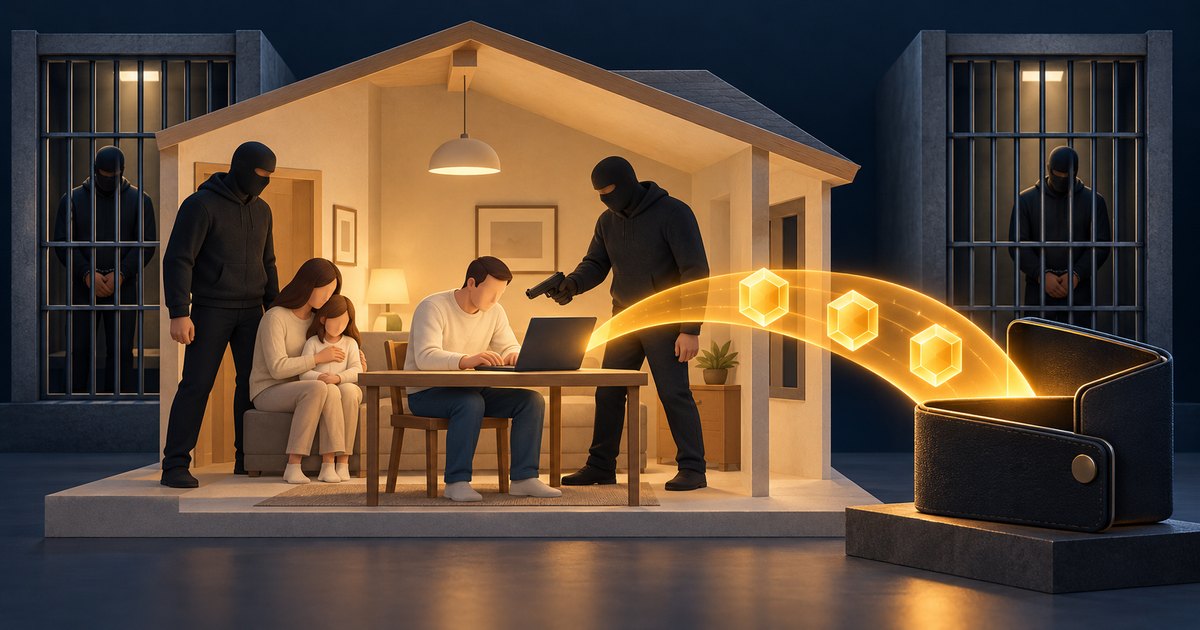
U.Today describes the setup as popular with self-custody users: wipe a spare phone, take it offline and keep the wallet recovery info on it. Wang's worry is physical access. It's not remote hackers.
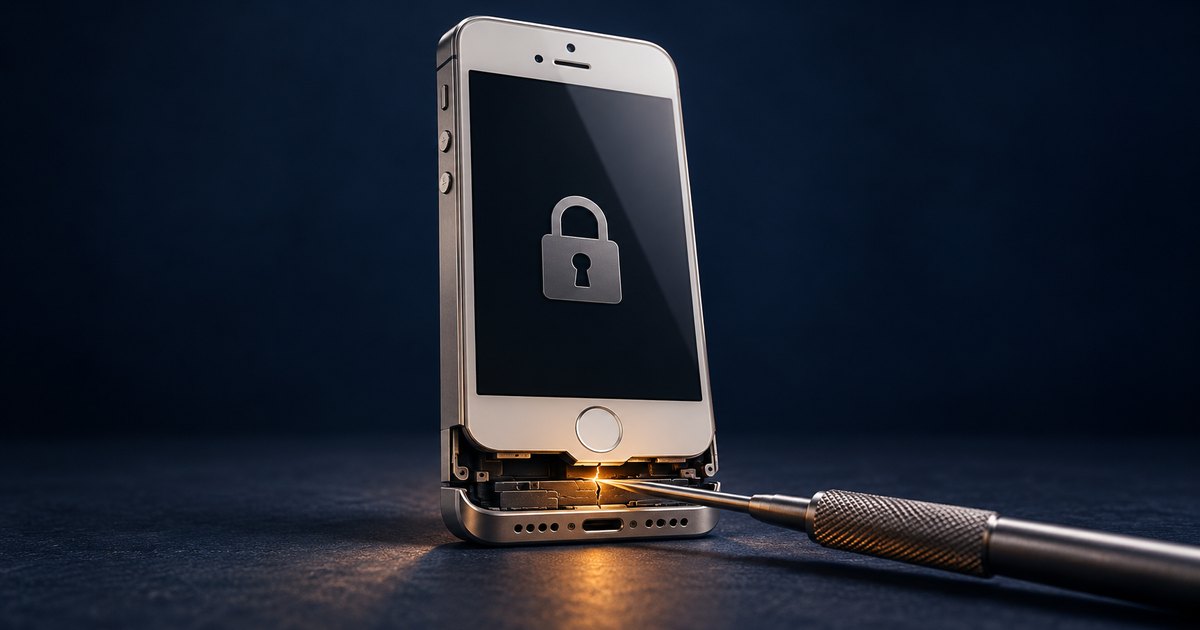
He pointed to flaws across several iPhone generations, including the publicly documented checkm8 issue on older models (plus what he described as more recently reported low-level weaknesses in some later devices). These flaws sit in the first stages of the boot process. No malicious app is involved.
That's the part people tend to miss.
According to the report, an iOS update may not fix a weakness built into immutable boot code, and switching off Wi-Fi and cellular does nothing against someone who gets their hands on the phone.
The caveat, and Wang's advice
The report is careful to note that a vulnerability doesn't automatically mean an attacker can recover a seed phrase. Device encryption, passcode strength and secure key handling are still real barriers.
Wang advises against trusting iPhone 11-generation and older devices with recovery phrases. He also stresses updated operating systems, long alphanumeric passcodes and careful control of USB connections. Earlier, he'd suggested that even newer iPhones shouldn't be treated as equivalent to purpose-built signing devices for substantial, long-term holdings.
If you think a phrase may have been exposed, the report says to create a completely new one on a trusted setup and move your funds to that wallet. Generating another address from the same seed won't help, because the underlying exposure stays.
Hardware wallets carry risk too
Dedicated hardware wallets are built to isolate signing keys and let users check transaction details on the device itself. They aren't bulletproof, though. U.Today notes that counterfeit hardware, compromised distribution channels and sloppy recovery-phrase handling can all undermine them (worth keeping in mind, given that the warning comes from a hardware wallet maker).
The report's bottom line is that taking a phone offline reduces remote exposure, but it doesn't make that phone a secure hardware wallet.
Frequently asked questions
Why isn't an offline iPhone a safe crypto cold wallet?
OneKey founder Yishi Wang argues that an offline phone can still be attacked by someone who physically holds it. He pointed to boot-level flaws such as checkm8 on older iPhones. Turning off Wi-Fi and cellular doesn't protect against physical access, according to U.Today.
Can these iPhone flaws let an attacker steal a seed phrase?
Not automatically. U.Today notes that device encryption, passcode strength and secure key handling still stand in an attacker's way. Wang still advises against trusting iPhone 11-generation and older devices with recovery phrases.
What should I do if my recovery phrase may have been exposed?
The report says to create a completely new recovery phrase on a trusted setup and move your funds to that new wallet. Generating another address from the same seed won't help, because the underlying exposure stays.