Russian airstrike kills five on cargo ship at Odesa port, escalating Black Sea risk
In brief
- Russian airstrike killed five aboard fertilizer cargo ship at Odesa port on July 13.
- Three deceased were foreign crew members; ten others injured in the strike.
- Fire ignited on vessel's superstructure, threatening Black Sea shipping operations.
- Global wheat and fertilizer markets face pressure from recurring port disruptions.
Attack and casualties
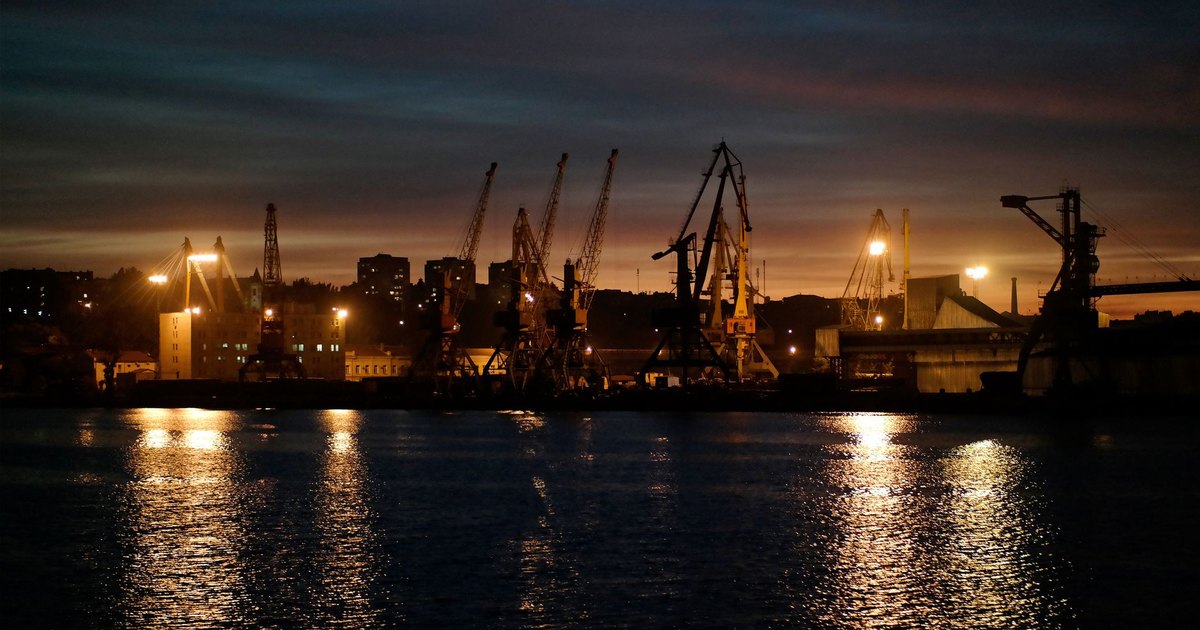
A Russian airstrike struck a cargo ship unloading mineral fertilizers at the port of Odesa on July 13, killing five people and injuring ten others. Three of the dead were foreign crew members, according to Ukrainian officials. The targeted vessel was Togolese-flagged. The strike ignited a fire aboard the vessel after hitting its superstructure.
The attack came as part of a broader Russian campaign against Ukrainian targets. In the prior 24-hour window, Russian attacks left at least 57 people injured across Ukraine. Ukraine condemned the strike as deliberate sabotage. "Ukraine condemned the attack as a deliberate threat to international navigation, global trade, and food security." — Ukrainian officials
Escalating naval conflict and supply chain pressure
Russian strikes on Ukrainian port infrastructure have intensified since the full-scale invasion began in 2022. The Black Sea has become a genuine two-sided theater. Ukrainian forces also struck between 11 and 20 Russian vessels in mid-July, including oil tankers.
The damage extends beyond immediate casualties. The original Black Sea Grain Initiative, which briefly allowed safe passage for Ukrainian agricultural exports, collapsed in 2023 after Russia withdrew. Without formal safe corridors, shipping becomes riskier—and costlier. Rising global wheat prices have already been linked to port disruptions in the Black Sea region.
Fertilizer supply chains face acute pressure. If vessels are reluctant to enter port, or if port capacity is degraded by recurring strikes, the seasonal availability of critical inputs faces disruption. Each strike raises the cost and risk calculus for shipping operators, potentially redirecting cargo flows and tightening global commodity availability.