Supreme Court blocks Trump tariff authority, Congress path opens
In brief
- Supreme Court ruled 6-3 that IEEPA does not authorize presidential tariff power
- Trump administration invoked Section 122 tariffs, ranging 10% to 15%
- Section 122 tariffs expire in 150 days unless Congress extends them
- Administration exploring Sections 232 and 301 as alternative legal foundations
The Ruling and Its Scope
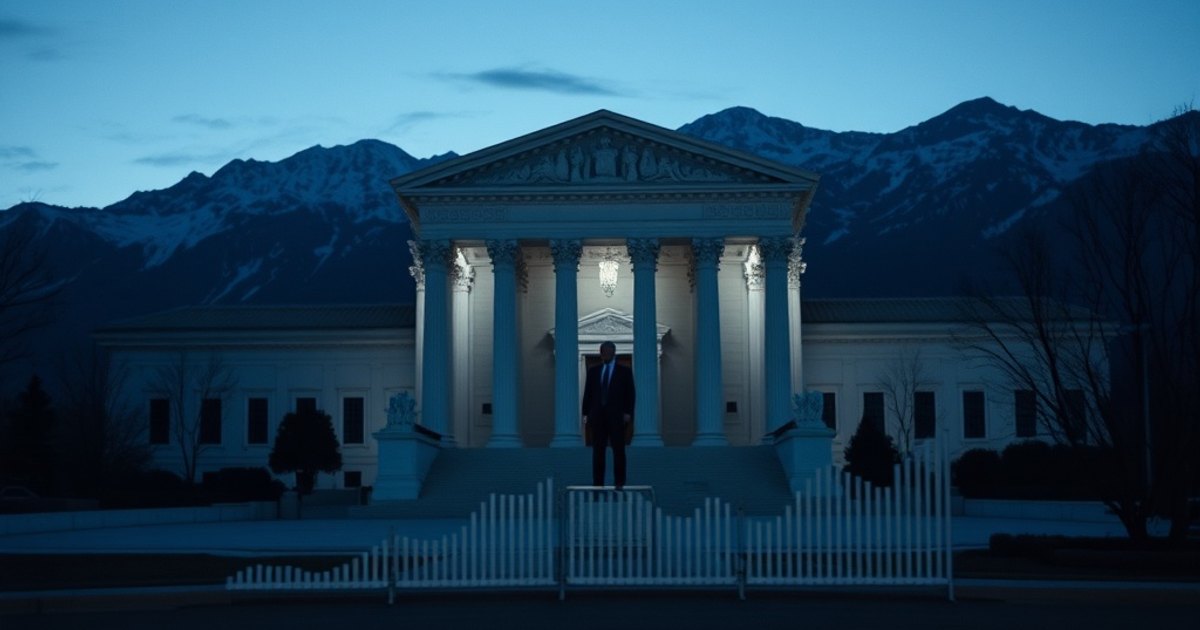
The Supreme Court handed the Trump administration a significant legal defeat on February 20, 2026, ruling 6-3 that the International Emergency Economic Powers Act does not give the president authority to impose tariffs. Three justices dissented, but the majority held firm on a textual reading of IEEPA that found no explicit congressional authorization for tariff imposition.
The decision wiped away tariffs that had affected Canada, Mexico, China, and most other U.S. trading partners. For the Trump administration, the ruling created an immediate problem: the sweeping tariff regime it had built in its second term was no longer legally viable.
Section 122 as a Fallback
The administration moved quickly. It announced temporary across-the-board tariffs under Section 122 of the Trade Act of 1974 almost immediately after the Supreme Court decision. These tariffs start at 10% and can climb to a maximum of 15%.
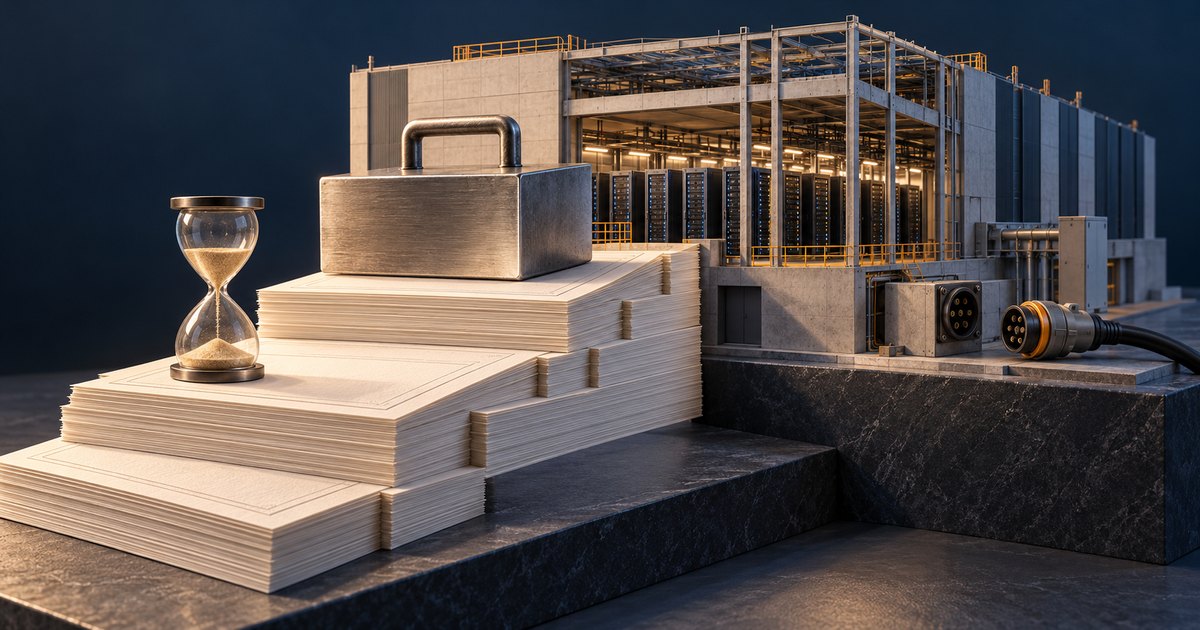
Section 122 is a balance-of-payments provision that lets the president impose emergency tariffs when the country is running a significant trade deficit. The catch is stark: these tariffs carry a hard expiration of 150 days unless Congress votes to extend them. That deadline creates a specific legislative catalyst—Congress must act if the administration wants tariffs to remain in place beyond mid-2026.
The Longer Game
As of mid-2026, the administration is still working through the legal and legislative architecture needed to restore the scope of tariffs it had under IEEPA. The Trump team has signaled intent to explore Sections 232 and 301 of U.S. trade law as additional foundations for a more comprehensive tariff regime. Section 232 covers national security-based trade restrictions, while Section 301 addresses unfair foreign trade practices.
Neither statute carries the same breadth as IEEPA, but together they offer the administration multiple pathways to rebuild tariff authority without relying on a provision the Supreme Court has now foreclosed. The next 150 days will test whether Congress is willing to codify or extend Section 122 tariffs, or whether the administration's tariff ambitions will face sustained legal and legislative headwinds.
Frequently asked questions
Why did the Supreme Court block Trump's tariffs?
The Court ruled 6-3 that the International Emergency Economic Powers Act (IEEPA) contains no explicit congressional authorization for the president to impose tariffs. The majority held to a textual reading of the statute that does not grant this power.
What is Section 122 and how does it work?
Section 122 is a balance-of-payments provision allowing the president to impose emergency tariffs when the country runs a significant trade deficit. These tariffs start at 10% and max out at 15%, but expire after 150 days unless Congress votes to extend them.
What happens after 150 days?
The Section 122 tariffs automatically expire unless Congress votes to extend them. This deadline creates a legislative catalyst—Congress must act for tariffs to remain in place beyond mid-2026.