Tether claims 650M users own decentralized US debt, but retains full reserve control
In brief
- Tether CEO claims 650 million users hold decentralized US debt through USDT
- Tether owns reserves; users hold only redeemable tokens with no upside participation
- USDT holders receive zero gains from Treasury appreciation; Tether keeps all portfolio upside
- Redemptions require $100K minimum and Tether approval; reserve composition at Tether's sole discretion
The 650 Million User Claim
Ardoino framed the 650 million figure as a response to concentration risk. His argument: unlike a foreign government, hundreds of millions of users are unlikely to sell US debt together in a single morning. But the figure itself carries important caveats.
In an August 13 audit announcement, Tether said more than 650 million users across emerging markets rely on the stablecoin daily—without publishing a methodology. Tether's 2024 methodology note treated on-chain addresses or accounts as a proxy and upper-bound estimate, acknowledging that one person can control multiple wallets. Tether's fourth-quarter 2025 report estimated 534.5 million users at year-end, a significant variance from the headline figure.
Who Owns What
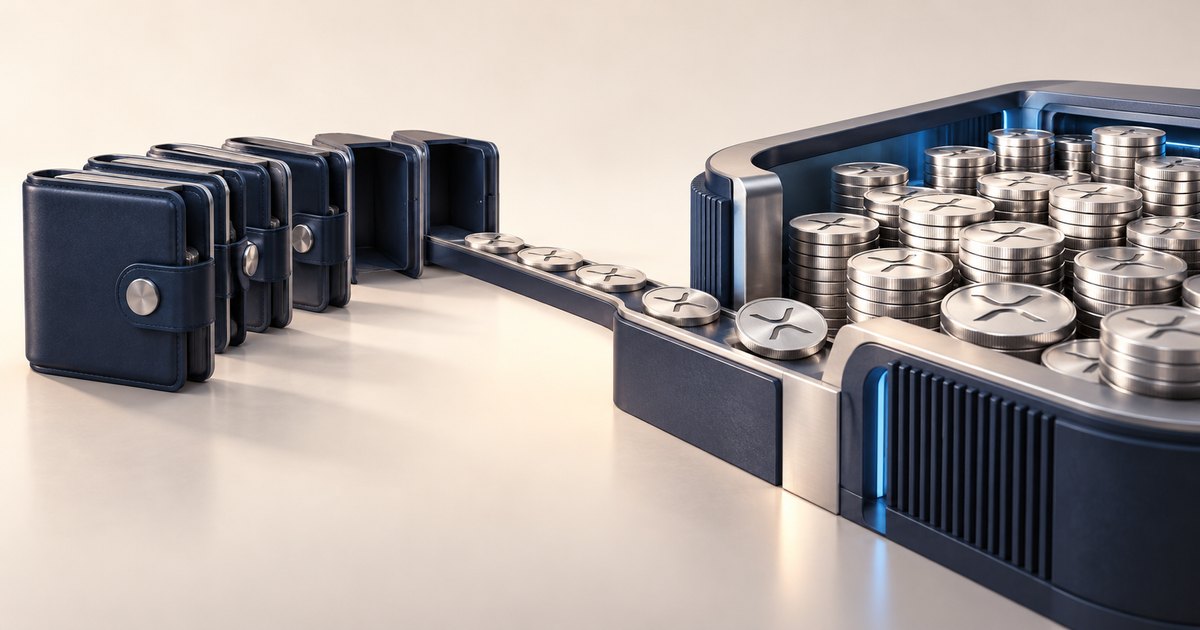
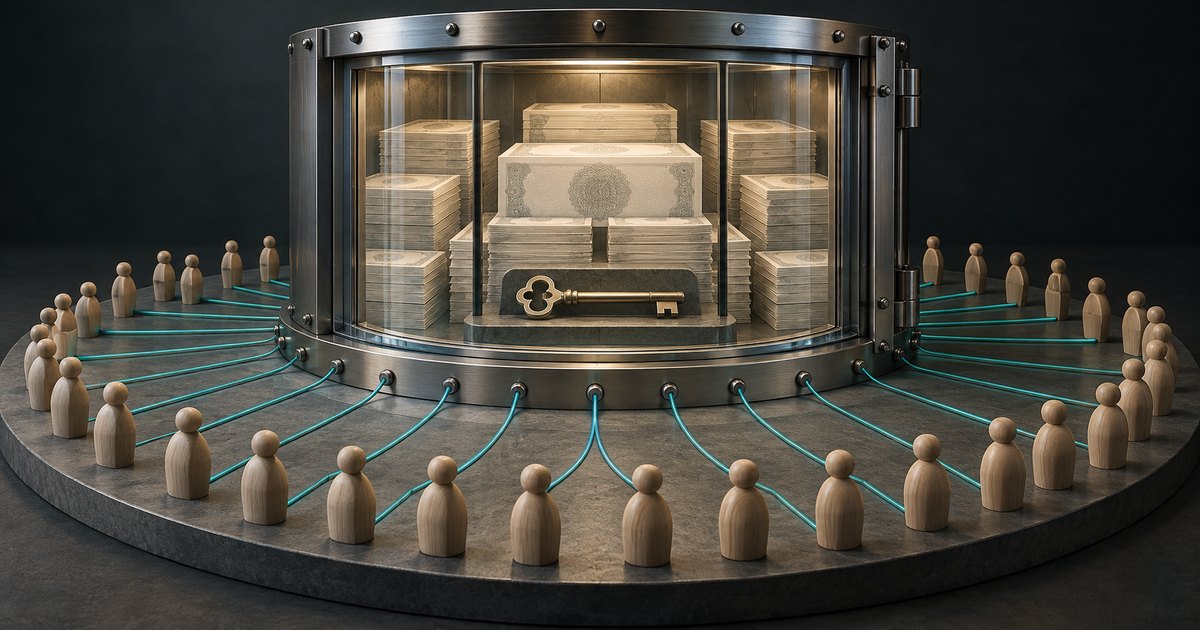
The ownership structure tells a different story. Tether's own documents state that users own USDT, eligible verified customers have a personal contractual right to redeem, and Tether International owns and manages the reserve assets.
USDT holders own transferable tokens. The reserve assets sit on the issuer's side of the structure. This distinction matters: USDT holders are not entitled to increases in reserve value above face value. The income and gains from the portfolio therefore do not flow through to USDT holders merely because Treasuries back the token.
Control and Discretion
Access to Tether's reserve upside isn't available to ordinary USDT holders. Tether's fee schedule sets a $100,000 minimum for direct acquisition or redemption. A redemption costs the greater of $1,000 or 0.1%. Tether retains sole discretion to approve or reject requests to become verified customers.
Portfolio composition shifts at Tether's discretion. After a verified customer sends fiat and receives tokens, Tether says it holds or invests the funds in a basket of reserves. The composition of that basket can change at Tether's sole discretion. Tether's Financial Figures and Reserves Report describes the reserves as assets owned by Tether International and the issued tokens as refund liabilities recorded at their contractual redemption value.
Demand for USDT gives Tether capital to deploy. That capital flows into a Treasury-heavy portfolio. The gains stay with Tether. The claim of decentralization rests on user count—not on user ownership of the underlying assets.