Trump casts AI as zero-sum US-China race before Xi meeting, Crypto Briefing says
In brief
- Trump framed AI as a zero-sum US-China race with no third-place country, Crypto Briefing says.
- US and Chinese officials set up an AI dialogue and incident channels on September 23-25, the outlet reports.
- Trump still rejects deeper cooperation, citing concern that sensitive information could slip away, the outlet says.
- US officials accuse Chinese firms, including DeepSeek, of large-scale model distillation.
A race with two runners
Crypto Briefing's analysis put the administration's position in one line:
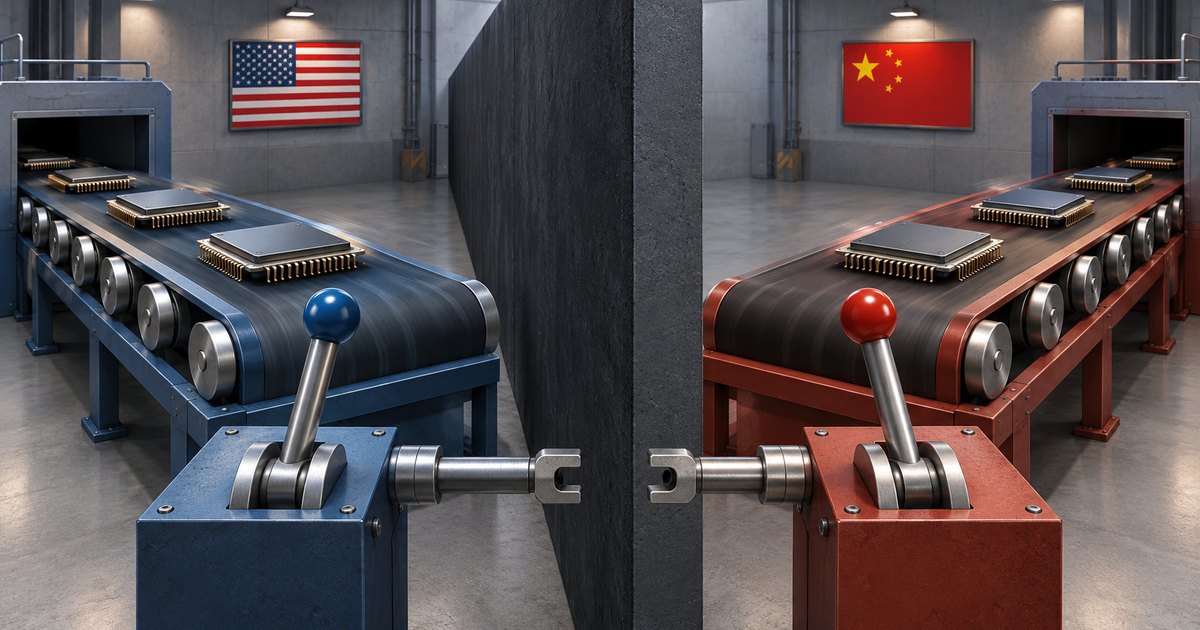
"AI is a race, China is the only other runner, and cooperation is off the table."
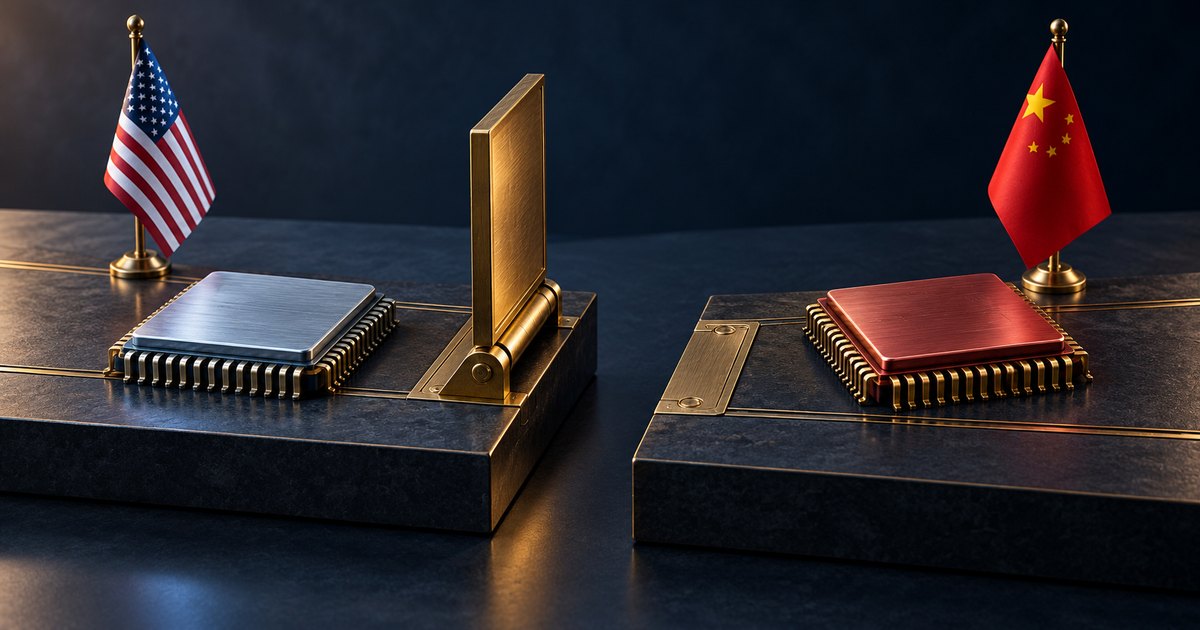
Some contact did happen. According to the outlet, the two countries set up an AI dialogue between September 23 and 25, 2026, along with channels for communicating about incidents. The piece doesn't point to a government readout confirming those arrangements, so it's best treated as Crypto Briefing's account. Trump didn't read the dialogue as an opening, either. The outlet reports he still rejects deeper cooperation because he's concerned that joint AI development could let sensitive information slip away.
Crypto Briefing describes a dialogue, but no deeper cooperation.
The distillation accusation
US officials have accused Chinese firms, including DeepSeek, of large-scale model distillation. The officials say the practice copies American AI capabilities, possibly with government endorsement. These are accusations from US officials, not established findings.
Distillation itself isn't complicated. A smaller model gets trained on the outputs of a larger, more capable one and picks up much of its skill without paying the original's development costs (the expensive part is skipped, which is exactly what officials object to).
Cheap models, tight controls
The commercial side is where it gets awkward for Washington. Crypto Briefing says inexpensive Chinese-made AI tools are reportedly winning business from US companies that might otherwise go to Silicon Valley. The outlet also cites cost-savings and enterprise-adoption figures from unnamed 2026 reports. It doesn't identify who produced them, and they haven't been independently verified.
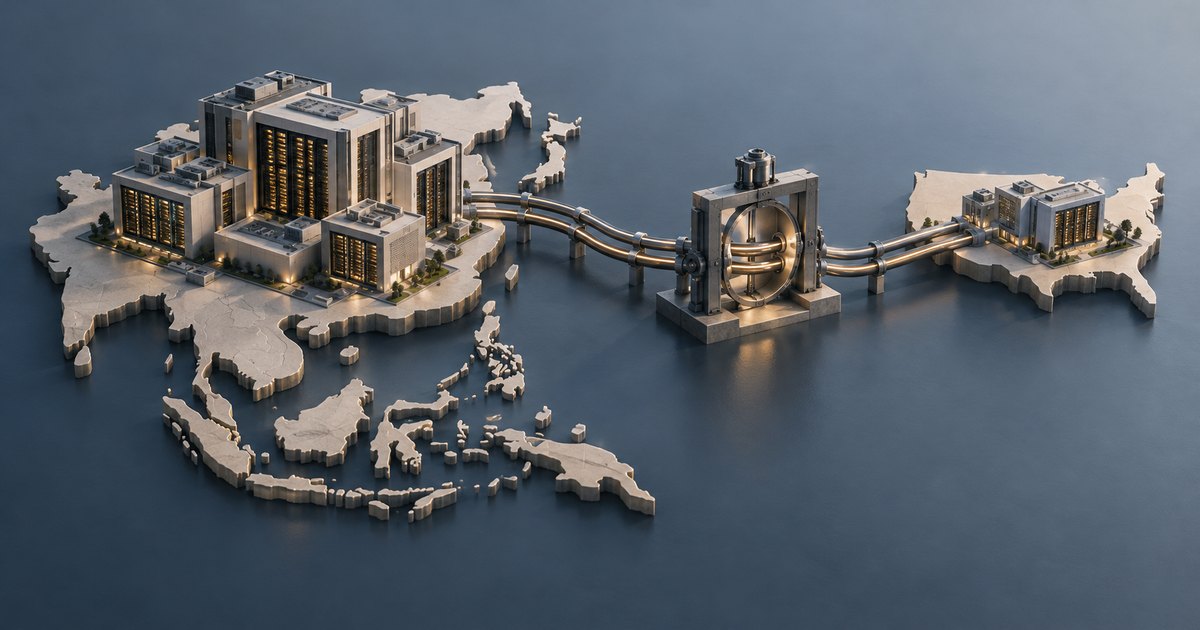
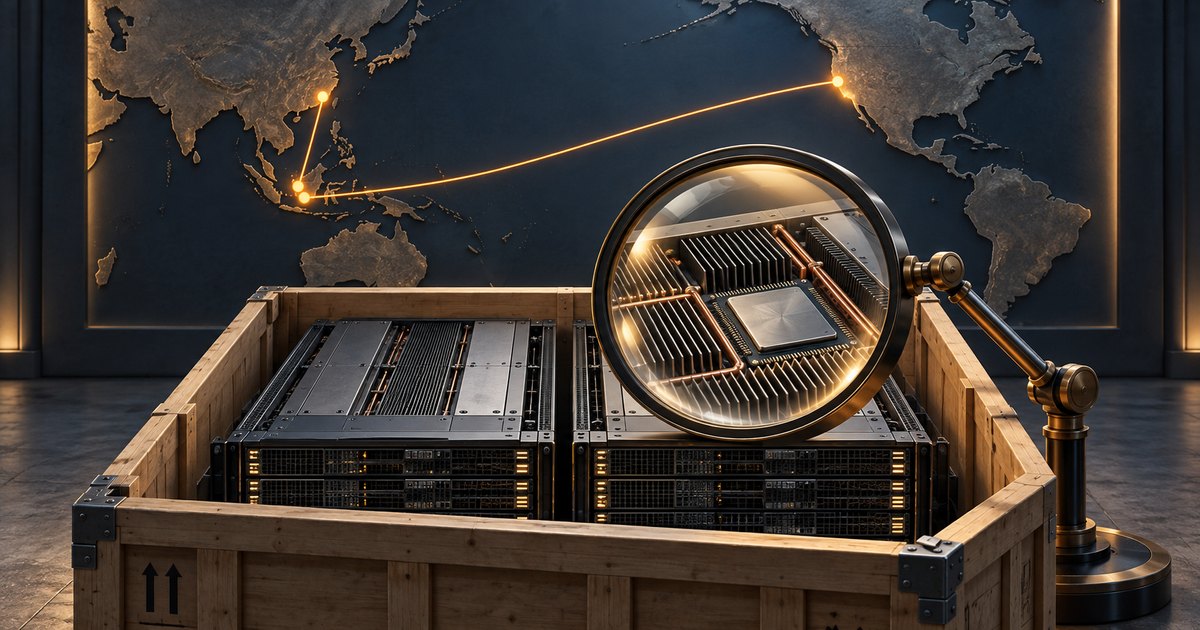
All of this is happening while the US keeps strict export controls on semiconductors and AI technologies. Crypto Briefing also points to ongoing cases in which smuggling operations allegedly moved Nvidia AI chips and servers into China.
That leaves two policies pulling in different directions. Washington restricts the hardware while some US buyers reportedly switch to cheaper Chinese software, and the race framing doesn't resolve that tension.
Frequently asked questions
What is AI model distillation?
Distillation trains a smaller AI model on the outputs of a larger, more capable model. The smaller model picks up much of the larger one's skill without the original's development costs. US officials have accused Chinese firms, including DeepSeek, of doing this at scale.
Did the US and China agree to cooperate on AI in September 2026?
Crypto Briefing reports the two countries set up an AI dialogue and incident-communication channels between September 23 and 25, 2026. According to the outlet, Trump still rejects deeper cooperation because he's concerned that joint development could let sensitive information slip away.