Turkey Proposes New Conditions to End US-Iran Conflict
In brief
- Turkey and allied nations submit new proposals to conclude US-Iran negotiations
- Tehran transmits seven conditions including frozen asset release and naval blockade lifting
- Strait of Hormuz controls roughly one-fifth of global petroleum transit daily
The Mediation Push
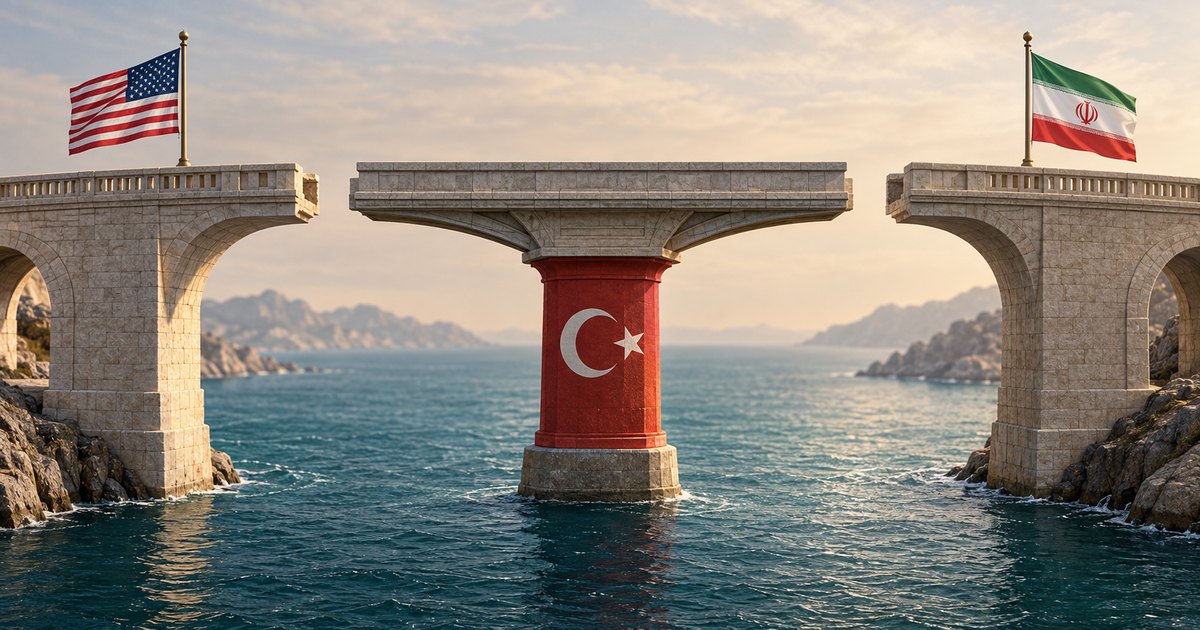
Turkey and other countries are presenting proposals aimed at bringing the US-Iran negotiations to a conclusion, according to Turkish Foreign Minister Hakan Fidan. Ankara has cultivated relationships with both Washington and Tehran for years, positioning itself as a natural mediator in the conflict. The diplomatic effort reflects growing international concern over the economic fallout from the escalating standoff.
Iran transmitted seven conditions to Washington through Qatari channels, laying out demands that include cessation of hostilities, release of frozen assets, and lifting of the naval blockade through the Strait of Hormuz. Qatar serves as a communications channel between Tehran and Washington, adding another layer of complexity to the negotiations.
Economic Stakes
The frozen Iranian assets at the center of Tehran's demands represent billions of dollars locked in limbo, with potential ripple effects across regional banking and trade finance. Roughly a fifth of global petroleum passes through the Strait of Hormuz daily. When control of the waterway is contested, every barrel matters to global energy markets and economic stability.
A June 2026 memorandum of understanding on safe navigation through the Strait was supposed to ease tensions on that front, but contentious security arrangements prevented it from taking hold. The conflict itself traces back to the February strikes, after which Tehran responded with retaliatory attacks, initiating a grinding cycle of escalation that neither side could cleanly win or exit.
Fidan's public statements signal that both sides retain negotiating room. But the depth of disagreement—over assets, naval access, and the terms of any ceasefire—suggests the mediation effort faces steep odds.