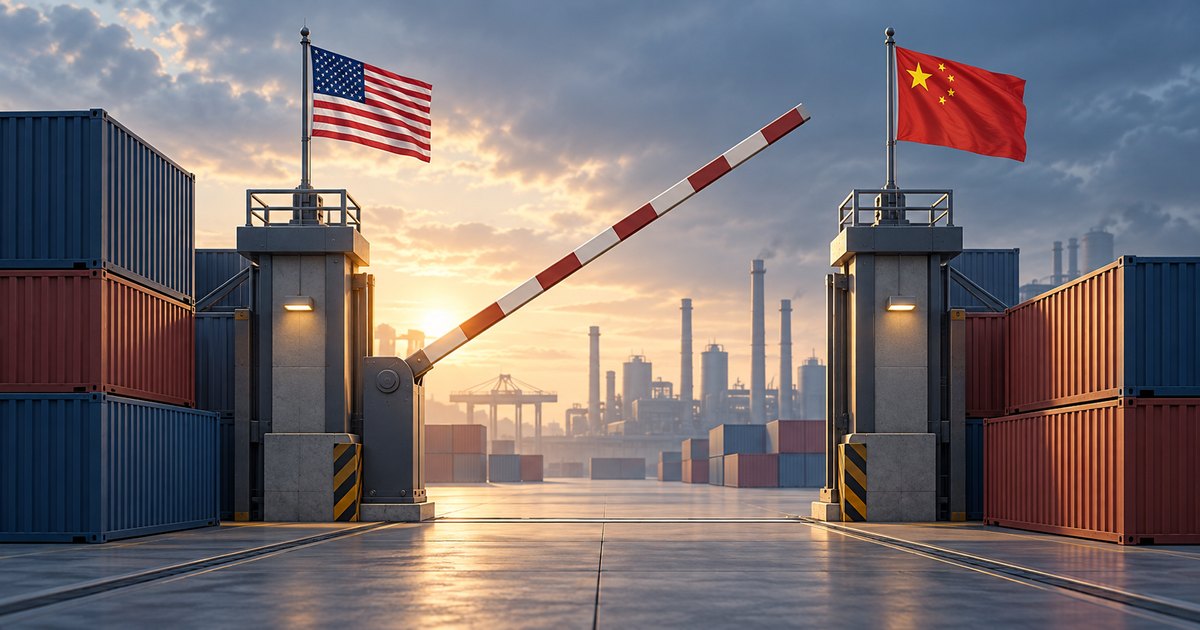
US-China trade truce lifts sentiment among American firms in China
In brief
- US firms in China gain confidence following US-China trade truce and tariff reductions
- Trade truce pauses restrictions after years of escalating tariffs and export controls
- Analysts warn geopolitical tensions remain unresolved despite sentiment improvement
- Pentagon military announcements and diplomatic visits could reshape market outlook
Sentiment Shift and Economic Relief
Business sentiment among U.S. firms operating in China has experienced a notable improvement. The agreement represents a concrete step away from the trade environment that strained bilateral relations for several years.
U.S. companies had faced sustained pressure from tariff increases and export controls. The current arrangement—with both nations reducing certain tariffs and pausing trade restrictions—provides near-term relief and a degree of predictability that markets have welcomed.
Caution Amid Optimism
Yet the improvement isn't a full reset. "Analysts suggest that this improved sentiment among U.S. firms could be an indicator of easing economic policy tensions, although broader geopolitical issues remain unresolved," according to reports tracking the negotiations.
Geopolitical friction—tensions over technology, military posture, and strategic competition—persists beneath the surface. A trade truce on tariffs doesn't automatically resolve the deeper structural tensions between Washington and Beijing.
Developments to Monitor
Key developments could include any formal announcements from the Pentagon or other U.S. government entities regarding changes to the Chinese Military Companies list. Such moves would signal either further warming or a recalibration of strategic concerns.
Additionally, any diplomatic engagements—including a potential visit by Xi Jinping to the United States—could further influence market perceptions and sentiment surrounding U.S.-China relations. Markets will be watching for signals of sustained cooperation or signs of renewed friction.