$476M Crypto Longs Liquidated in 60 Minutes as Leverage Collides With Thin Liquidity
In brief
- $476 million in leveraged longs liquidated in one hour on August 22
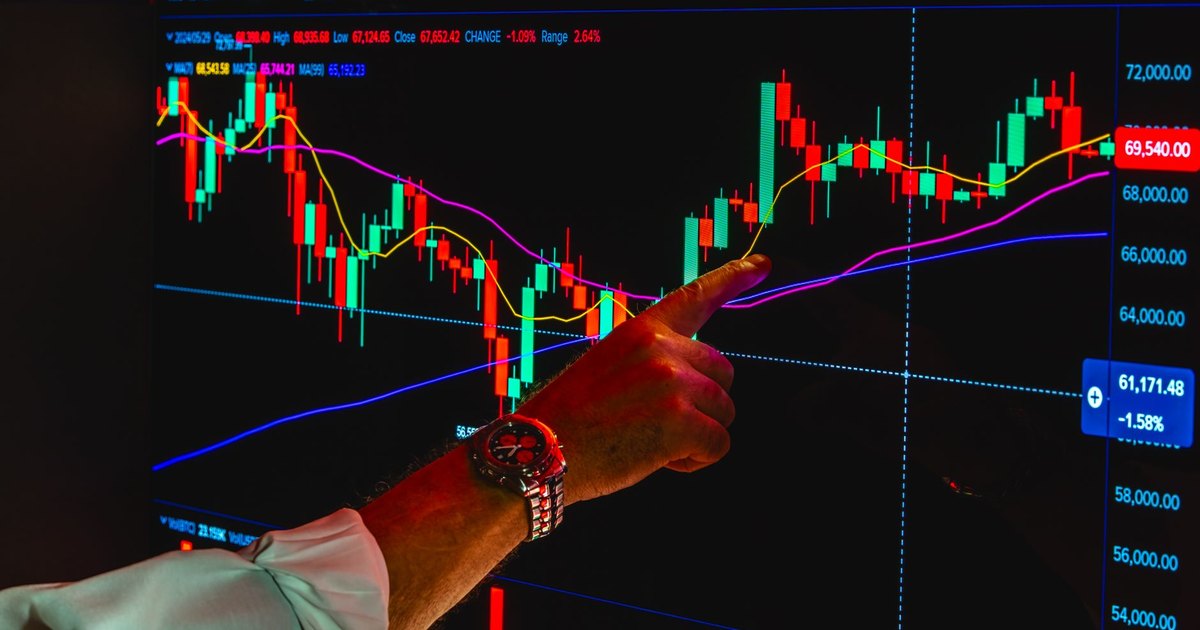
- 2.5% Bitcoin decline triggered cascading liquidations across altcoin perpetuals and major platforms
- Overleveraged positioning and thin liquidity—not macroeconomic shocks—drove the wipeout
- Binance, Hyperliquid, and Bybit saw significant forced-selling volumes amplifying the move
- Hundred-million-dollar one-hour liquidation events are routine in 2026 crypto markets
Cascade across platforms
The liquidations hit multiple asset classes and major derivatives platforms. Binance, Hyperliquid, and Bybit saw significant liquidation volumes as forced selling unfolded. Altcoin perpetual futures pairs were caught in the wave, not just Bitcoin positions. The forced liquidations fed into each other—each layer of margin calls triggering the next, compounding losses across the ecosystem.
No macroeconomic surprise preceded it. There was no Fed announcement, no regulatory bombshell, no major protocol exploit. The market had simply positioned itself for a different outcome.
Structure, not sentiment
"The catalyst was purely structural: too many traders, positioned the same way, using too much leverage, on too little liquidity." That's the core insight. In a thin market, a 2.5% Bitcoin decline can cascade through layers of liquidation prices, each one feeding into the next and amplifying the move far beyond the initial selling pressure.
This isn't new. Throughout 2026, one-hour liquidation events exceeding $100 million have become a recurring feature of crypto markets. Previous episodes have cleared more than $450 million in similar fashion, typically driven by Bitcoin volatility catching overleveraged positions. The pattern repeats because the structural conditions—concentrated leverage, correlated positioning, insufficient depth—remain.
The lesson isn't subtle. Derivatives platforms that handle the largest share of volume sit at the center of these dynamics, and their liquidity constraints ripple across the entire market when positioning gets crowded.