Bank of Japan raises rates to 1%, highest since 1995

In brief
- BOJ raised policy rate to 1% on June 16, 2026, highest since 1995
- Decision passed 7-1; one member cited production and employment concerns
- Central bank paused bond purchase reductions to support financial conditions
- Bitcoin climbed 1.5% to above $66,500 following the announcement
The decision and dissent
The BOJ hiked its policy rate to 1% in a 7-1 vote, citing rising energy costs and a persistently weak yen. One dissenting member flagged concerns about production and employment—a reminder that monetary tightening carries real economic trade-offs. The central bank simultaneously paused further reductions in its bond purchasing program, signaling an effort to keep financial conditions broadly supportive despite the rate increase.
This move follows the BOJ's December 2025 rate increase to 0.75%, making June's shift to 1% part of a gradual tightening cycle that began in 2024. Policymakers were careful to note that financial conditions would remain broadly supportive despite the hike.
Implications for crypto and risk assets
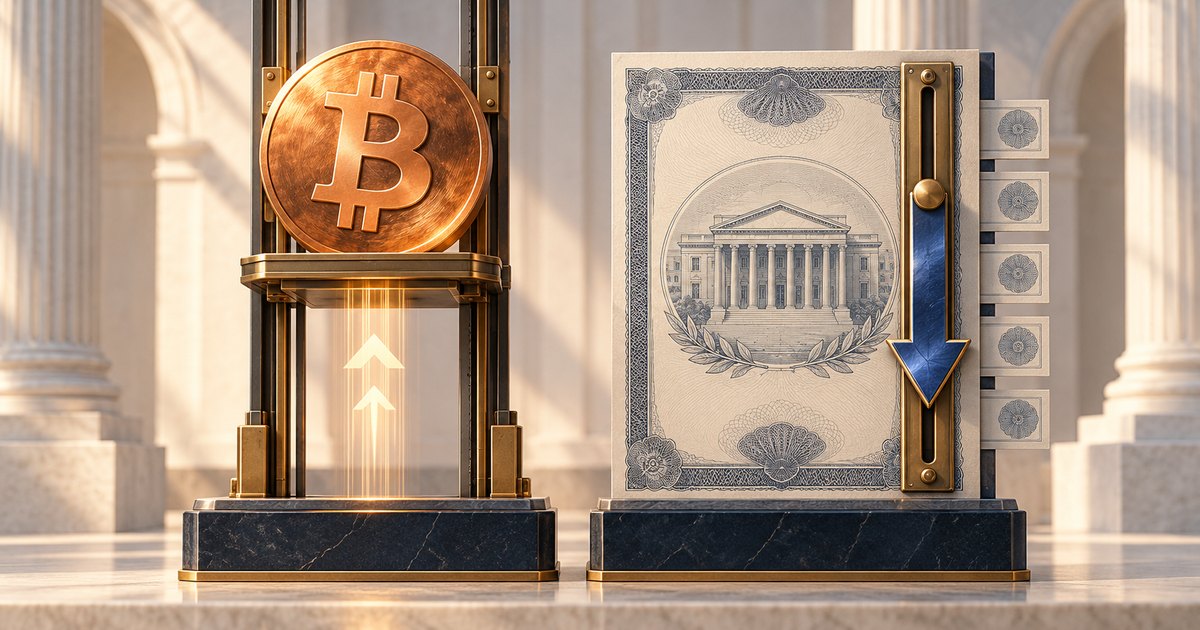
Historically, BOJ rate hikes have weighed on crypto markets. Previous BOJ rate hikes since 2024 had been correlated with Bitcoin declines averaging roughly 27%. The mechanism is straightforward: tighter Japanese monetary policy tends to strengthen the yen, which unwinds the yen carry trade, which forces investors to sell risk assets including crypto to cover positions.
This time, the pattern broke. Bitcoin climbed approximately 1.5% following the announcement, rising to above $66,500. The divergence appears linked to the BOJ's decision to pause bond purchase reductions—a signal that monetary conditions won't tighten as aggressively as the headline rate hike might suggest. Investors read the pause as a stabilizing force, offsetting the headwinds of higher rates.