Circle removed from five Russell Growth indexes, stock falls 17%

In brief
- FTSE Russell removed Circle from five Russell Growth indexes including Russell 1000 and Russell 3000 Growth.
- Stock fell 17.55% to $62.63, erasing approximately $3.6 billion in market value in one session.
- Index removal forces passive funds to sell shares, compressing liquidity and institutional visibility.
- Circle's USDC stablecoin business remains stable despite index delisting and competitive pressure.
Index Removal Mechanics
The removal reduces the natural buyer base for the stock, compresses liquidity, and lowers the company's visibility with institutional allocators who screen by index membership. Circle was added to these Russell indexes shortly after its IPO in September 2025, making the nine-month tenure remarkably brief.
Business Fundamentals Unchanged
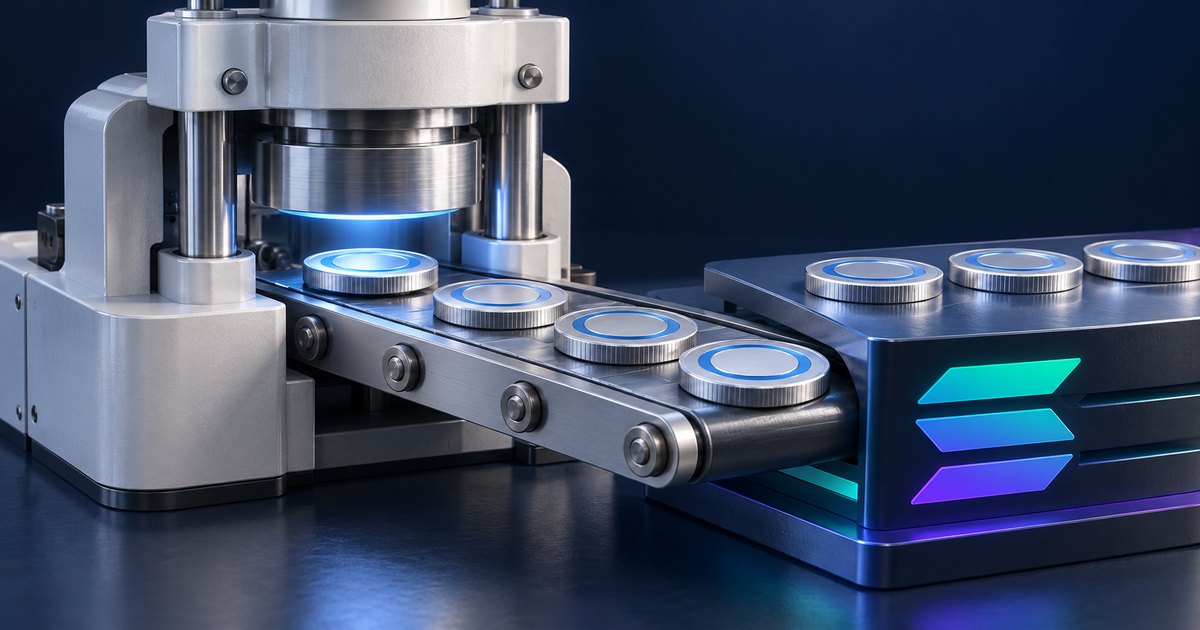
Circle's core business, issuing and managing USDC, facilitating adoption, and building infrastructure for tokenized capital markets, has not stumbled. A reported $1 billion in USDC was minted on Solana recently, signaling continued adoption across blockchains.
Yet Circle does face genuine competitive pressure in the stablecoin market. Emerging products like Open USD are entering a crowded space. The index removal, though, reflects FTSE Russell's annual reevaluation of stock classifications within its growth benchmarks—not a judgment on Circle's financials or the strength of its dollar-backed stablecoin franchise.
Passive index flows can amplify volatility. Today's forced selling illustrates how market structure, not fundamentals, can drive sharp repricing in crypto-adjacent equities.