Iran's Pezeshkian points to cost-of-living strain amid sanctions and inflation
In brief
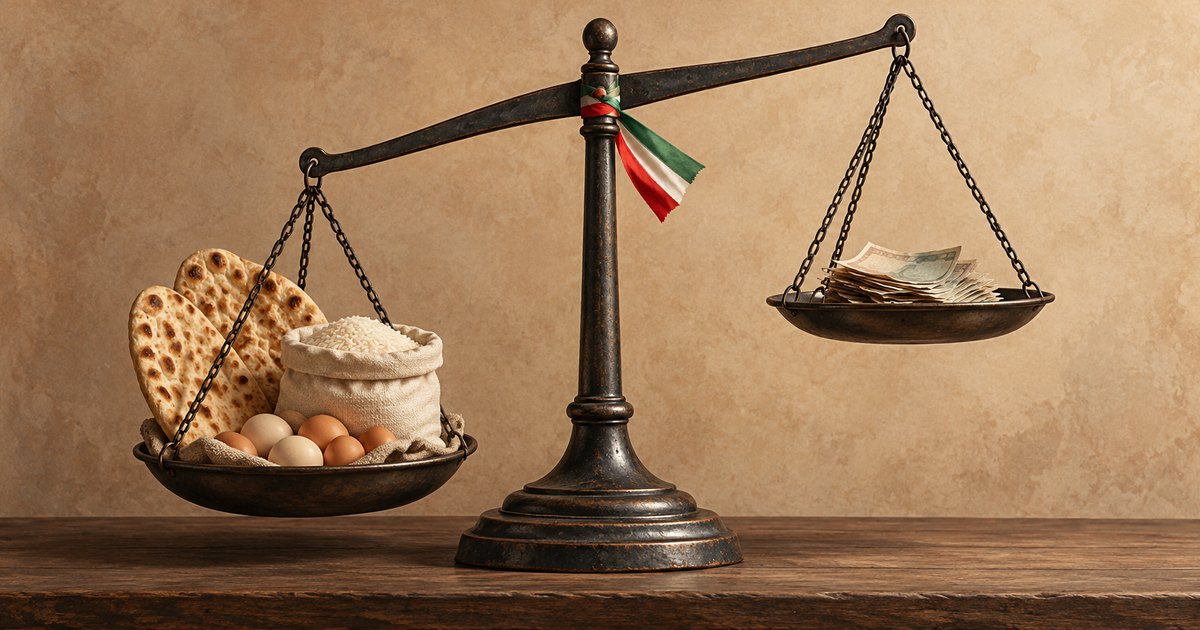
- Pezeshkian said many Iranians struggle to afford basic necessities, Crypto Briefing reported.
- Inflation is soaring and the rial falling sharply, the report said, without giving figures.
- Sanctions and diplomatic tensions, mainly with the US, worsened conditions, the outlet said.
- Crypto Briefing named no venue, date or original outlet for the president's remarks.
What the report said
Crypto Briefing's account is short on specifics. It said the president's statement underscored the ongoing economic hardship facing the country, with inflation rates soaring and the value of the rial falling sharply. No inflation rate was cited. No exchange rate either.
That's a real gap for anyone trying to size the problem (or to weigh what it means for Tehran's politics). The outlet also didn't name a venue, a date or an original outlet for Pezeshkian's remarks, so what's here is paraphrased from its report rather than drawn from a transcript.
Sanctions and the US relationship
According to the report, international sanctions and diplomatic tensions, mainly with the United States, have made the economic situation worse. It didn't say which measures it had in mind, and it didn't attempt to separate the effect of sanctions from the broader standoff the "neither war nor peace" phrase points to.
What Crypto Briefing says to watch
The outlet framed the story partly through a political lens. It cited unnamed analysts (it didn't identify them) who suggested the remarks may reflect a growing sense of instability inside the administration. That's unattributed speculation from Crypto Briefing, and it should be read that way.
The report said developments in Iran's economic policy and international relations could affect Pezeshkian's political standing. It added that any shifts in sanctions or diplomatic negotiations could change the market outlook on his presidency, a framing aimed squarely at readers who follow prediction markets.
It also pointed to Supreme Leader Ayatollah Ali Khamenei and the Islamic Revolutionary Guard Corps as figures whose statements could show support or dissent within the leadership. The report didn't cite any such statement from either. It said only that observers would be watching for them.
For now, there's a president's description of hardship and very little hard data to measure it against.