Metaplanet's Bitcoin sell-and-rebuy shows treasury firms need cash, CryptoSlate says
In brief
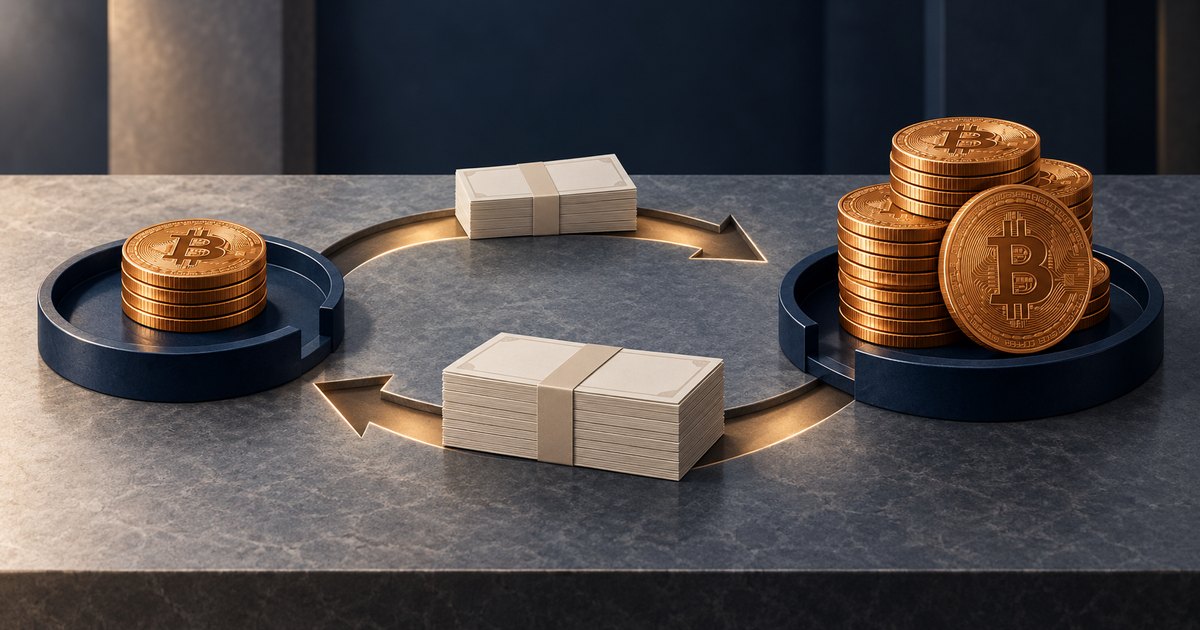
- Metaplanet sold 10,000 BTC, then bought back 11,000 at a higher average price.
- Japan's Metaplanet was pursuing a credit rating and better access to financing.
- CryptoSlate estimates the higher-priced buyback added about ¥11.57 billion on 10,000 replaced coins, before costs and taxes.
- Strategy reported a $4.88 billion dedicated reserve plus $833.4 million in separate cash.
What the round trip cost
Metaplanet received ¥124.7 billion from the sale and spent ¥149.9 billion on the later purchase, per the disclosure. By CryptoSlate's math, that's roughly 9.3% more per coin. The outlet also applied the average purchase price to the 10,000 coins replaced and got a price difference of about ¥11.57 billion (before transaction costs and possible tax effects). That figure is CryptoSlate's own calculation.
The company didn't use the proceeds to repay borrowings or bonds. It ended September holding 44,000 BTC.
"Selling was part of an effort to improve the financing behind continued accumulation."
Metaplanet's June financial statement reported ¥67.49 billion in short-term borrowings and ¥8 billion in bonds payable within a year, against ¥1.09 billion in cash and deposits and ¥250 million in USDC. Those numbers leave out the company's much larger Bitcoin reserve (and the financing it could access). CryptoSlate also cautioned that its debt comparisons draw on different reporting periods, so they shouldn't be read as a like-for-like picture of current liquidity.
Strategy's note dates and its reserve
Strategy's notes technically mature in September 2028, but holders' right to demand repayment moves a possible cash obligation forward by one year. Its June filing listed roughly $4.9 billion of notes with similar holder repurchase rights during 2028, which brings the principal tied to the 2027 and 2028 dates to about $5.91 billion. Holders have to exercise those rights. Conversions or repurchases could also shrink the amounts before the dates arrive.
Strategy's Oct. 5 filing reported a $4.88 billion dedicated reserve plus $833.4 million in separate dollar-denominated cash, about $5.71 billion in total as of Oct. 4. The reserve isn't a general-purpose pool. It supports preferred-stock dividends and debt interest, and under the company's policy any other use needs board authorization. Between Sept. 28 and Oct. 4, Strategy used $142.5 million from it for dividends and interest.
Why holding takes cash
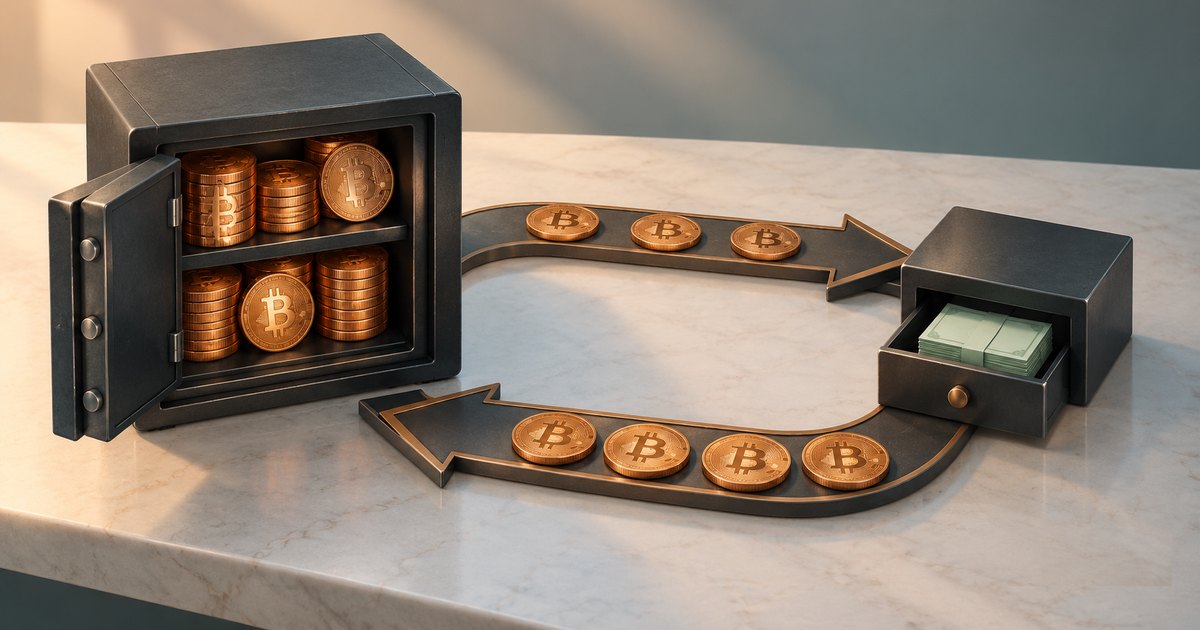
CryptoSlate's analysis, by Andjela Radmilac, argues that owning Bitcoin doesn't automatically cover what a company owes. Coins may be pledged against borrowing, or management may not want to sell at the available price.
Management can borrow again, issue securities or use cash to meet obligations, but each of those options comes with its own costs.
Frequently asked questions
Why did Metaplanet sell Bitcoin and then buy more back?
Metaplanet sold 10,000 BTC and bought back 11,000 to show it was willing to sell its Bitcoin. The Japanese company was pursuing a credit rating and better access to financing, and prospective creditors needed confidence that management could use its holdings to meet obligations.
How much did Metaplanet's Bitcoin round trip cost?
Metaplanet received ¥124.7 billion from the sale and spent ¥149.9 billion on the later purchase. CryptoSlate calculated it paid roughly 9.3% more per coin, and it put the price difference on the 10,000 coins replaced at about ¥11.57 billion, before transaction costs and possible tax effects.
What can Strategy's $4.88 billion dedicated reserve be used for?
Strategy's dedicated reserve supports preferred-stock dividends and debt interest. Under its policy, any other use requires board authorization. Between Sept. 28 and Oct. 4, Strategy used $142.5 million from the reserve for dividends and interest.