Qualcomm extends Apple patent licensing deal through March 2027
In brief
- Qualcomm renewed patent licensing agreement with Apple through March 2027, effective April 1, 2026
- Apple exercised extension option in January 2024, locking in two additional years of royalty payments
- Qualcomm expects Apple chip sales to decline as Apple integrates its own C-series modems
- Deal provides Qualcomm financial stability while pivoting to data center and automotive segments
The Extension Timeline
Apple exercised its option to extend the deal by an additional two years in January 2024, pushing the timeline through March 2027. Qualcomm confirmed this extension during its Q1 FY2024 earnings call. The licensing fees Apple pays cover Qualcomm's portfolio of wireless technology patents, particularly those essential to 5G connectivity.
Apple's Modem Pivot
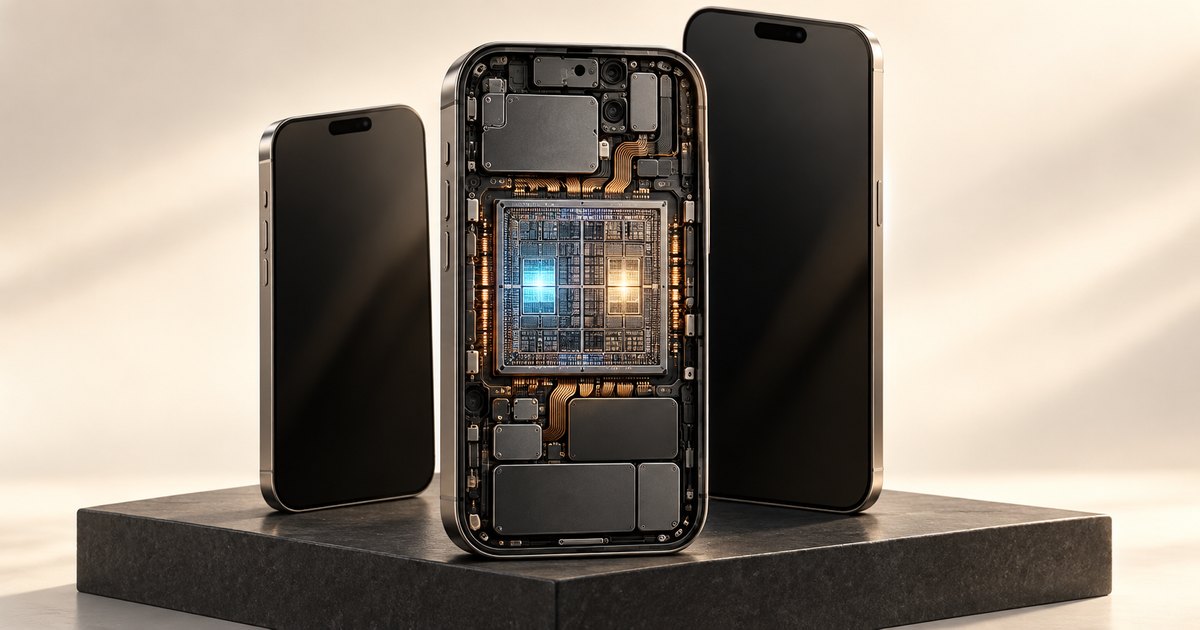
Apple has been developing its own C-series modem chips, designed to replace the Qualcomm Snapdragon modems that have powered iPhones for over a decade. Newer iPhone models are increasingly integrating Apple's in-house designs. The shift poses a structural challenge to Qualcomm's revenue model. As of July 2026, Qualcomm indicated that it expects revenue from Apple-related chip sales to decline faster than previously estimated. The company pointed to supply chain constraints and Apple's accelerating integration of its own modems as the primary drivers of declining chip sales revenue.
Yet the licensing stream matters more than direct silicon sales. The royalty stream from licensing carries significantly higher margins than direct chip sales. Locking in continued licensing revenue buys Qualcomm time and financial stability while it pivots toward new markets.
Diversification in Motion
Qualcomm has been building out its presence in the data center market, targeting $5 billion in data center revenue by fiscal 2027. The automotive sector has also become a priority. Its Snapdragon Digital Chassis platform is being adopted by automakers for in-vehicle computing, infotainment, and driver assistance systems. These bets signal how the company plans to offset Apple's gradual silicon independence.