Tanker struck by projectile in Strait of Hormuz amid US-Iran tensions
In brief
- Tanker struck by projectile in Strait of Hormuz during heightened US-Iran military tensions.
- Projectile origin unconfirmed by UKMTO, US authorities, or Iranian officials.
- Market participants raised shipping disruption risk estimates and delayed traffic normalization expectations.
The Incident and Attribution
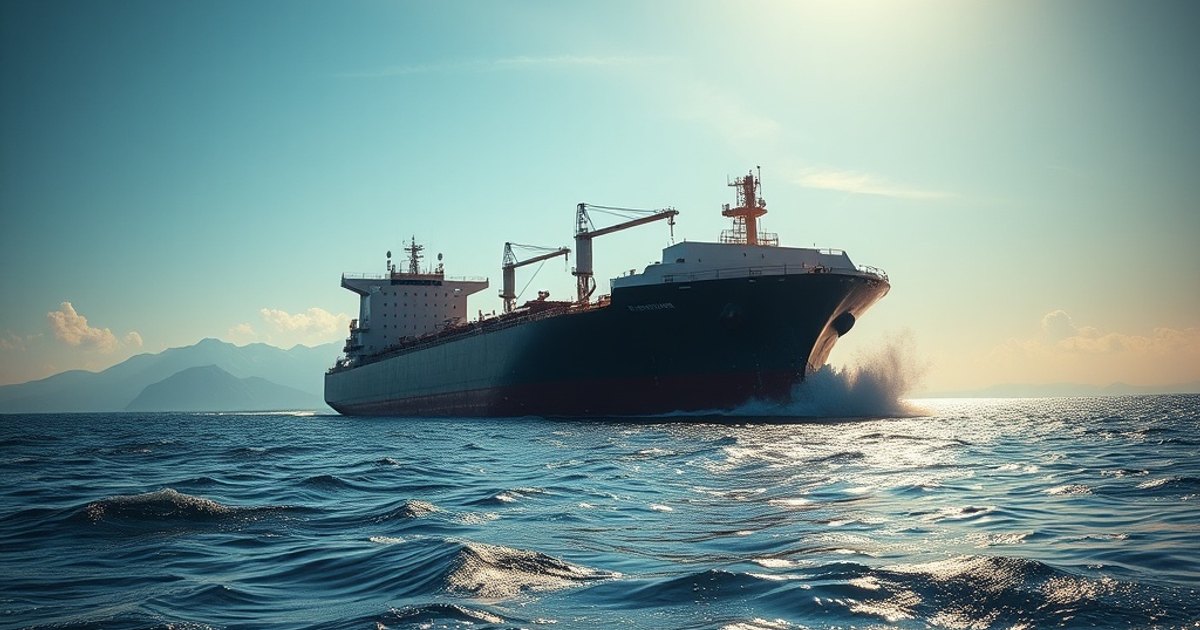
The UKMTO reported that a tanker sustained damage from a projectile strike. However, the projectile's origin has not been officially confirmed by UKMTO, US authorities, or Iranian officials. While market participants have interpreted the incident as indicative of Iranian military actions against shipping, this remains an interpretation rather than verified fact.
The region has seen active military engagement as part of the 2026 Strait of Hormuz crisis, which has included US airstrikes on Iranian targets and retaliatory Iranian actions. This context has shaped how traders and analysts view ambiguous incidents.
Market Interpretation and Risk Reassessment
Market participants have responded to the tanker strike by increasing estimates of shipping disruption risk. The probability of low transit rates through the Strait of Hormuz has risen, reflecting heightened concerns over potential disruptions to global trade. Concurrently, the likelihood of traffic normalization through the Strait by the end of June has decreased, signaling traders' expectations for prolonged instability.
These shifts reflect how geopolitical incidents—even when origins are unclear—can reshape market expectations around critical shipping chokepoints.
Misattribution Risks in the Region
The tanker strike incident underscores how events in contested waters can be quickly misinterpreted. Earlier this week, thick smoke was observed near Qeshm Island on Saturday, initially thought to originate from a military vessel. A local ports official later clarified the smoke came from a vessel's engine fire, with no disruption to maritime traffic. This illustrates how incidents in the region can be rapidly misattributed before full details emerge.
The Strait of Hormuz remains one of the world's most critical shipping routes. Prolonged disruptions could have ripple effects across global oil markets and international trade.
Frequently asked questions
Who damaged the tanker in the Strait of Hormuz?
The projectile's origin remains unconfirmed by UKMTO, US authorities, or Iranian officials. Market participants have interpreted the incident as Iranian military action, but this is an interpretation rather than verified fact.
How are markets reacting to the tanker strike?
Market participants have increased estimates of shipping disruption risk. The probability of low transit rates has risen, and expectations for traffic normalization by end of June have decreased, reflecting trader concerns over prolonged instability.
What is the broader context of the Strait of Hormuz tensions?
The 2026 Strait of Hormuz crisis has included active US airstrikes on Iranian targets and retaliatory Iranian actions. This military escalation has heightened sensitivity to any incident in the region.