Tesla converts Fremont factory to Optimus robot production
In brief
- Fremont factory assembly footage emerged July 1 showing Optimus robot production after Model S/X line ended May 2026
- Tesla targets 1 million Optimus units annually at Fremont, far exceeding prior vehicle output capacity
- Gen 3 Optimus launched Q1 2026; production ramping despite part complexity challenges
From Sedans to Robots
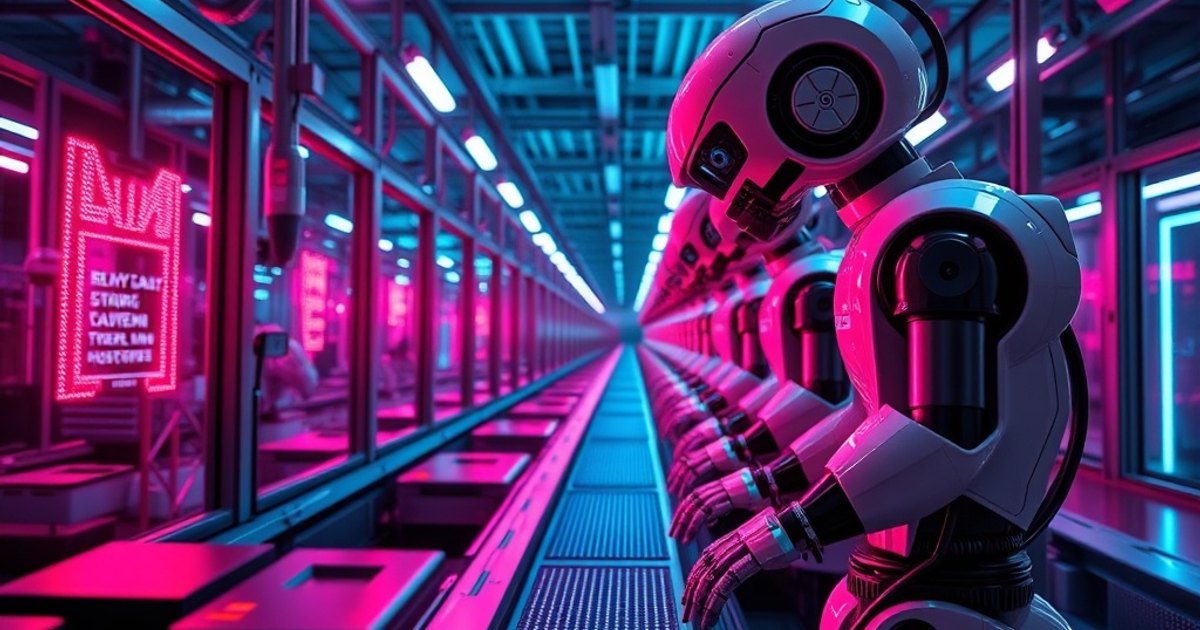
The factory that once built Model S and Model X sedans is now assembling humanoid robots, marking one of the more dramatic pivots in manufacturing history. Tesla ceased production of its Model S and Model X vehicles in Q2 2026, with the last units rolling off the line around early May. The space they occupied is being repurposed for the Gen 3 Optimus humanoid robot.
Pilot production lines were already operational at Fremont before the larger-scale setup. Elon Musk outlined the timeline during Tesla's Q1 2026 earnings call, stating that Optimus production would commence in late July or August 2026. He was candid about the early pace, noting that initial production rates would be slow due to the complexity and sheer number of unique parts each robot requires.
The Scale of Ambition
Tesla is targeting an annual production capacity of up to 1 million Optimus units at the Fremont facility. That's a staggering figure—one that hinges on solving manufacturing challenges most roboticists haven't yet faced at scale. Each Optimus unit contains a complex array of actuators, sensors, and computing hardware that must work in concert for autonomous operation.
The Gen 3 Optimus design was unveiled in Q1 2026, positioning it as a meaningful upgrade over earlier prototypes. The company's thesis runs deeper than robots for novelty. Tesla's broader thesis is that automating hazardous and repetitive tasks represents a market opportunity potentially larger than electric vehicles themselves.
Local officials in Fremont have expressed support for the transition, highlighting local expertise and workforce readiness. The pivot signals confidence that humanoid robotics—not just EVs—will define Tesla's next decade.