

Privacy & ZEC
Privacy in crypto is the topic the mainstream press won't touch — and the reason LeoDex News exists as a real alternative. We cover Zcash (ZEC) developments, Monero, zero-knowledge tech (zk-SNARKs, zk-STARKs, Aztec, Aleo, Penumbra), the regulatory crackdown on mixers (Tornado Cash, Samourai), shielded-pool adoption metrics, and the slow-burn convergence of privacy primitives with mainstream DeFi.
Privacy isn't a niche concern — it's the foundational property that financial systems eventually require. We cover the cryptography honestly (which schemes actually work, which are theater), the regulatory pressure (which jurisdictions are tightening, which are easing), and the practical user-facing developments (which wallets ship shielded transactions, which DEXes route through ZK rollups). When private token vesting comes to Solana (Umbra + Streamflow), or when ZEC's shielded pool crosses 5% of total supply, you read it here first. No competitor has this depth.
Latest in Privacy & ZEC
-

21Shares launches Europe's first Zcash ETP on Euronext
21Shares launched Europe's first Zcash exchange-traded product on Euronext Paris and Amsterdam on September 22, adding to institutional infrastructure for the privacy coin as ZEC rallies past $1,600.
-

Moxie Marlinspike launches Confer, privacy-first AI chatbot with end-to-end encryption
Moxie Marlinspike, the cryptographer behind Signal, launched Confer in December 2025, an AI chatbot that encrypts conversations on users' devices and processes queries in isolated hardware enclaves, preventing the operator from accessing or monetizing data. The platform challenges mainstream AI industry practices and will integrate into Meta AI by March 2026.
-

NEAR token surges 78% as Intents volume nears $30 billion
NEAR Protocol's native token jumped nearly 80% in a week, trading at $4.29 on Monday. The surge coincided with the launch of confidential trading features on near.com and $29.3 billion in cumulative volume on NEAR Intents, which now includes privacy-focused Zcash swaps.
-

DHS PITT Program Flags Americans for Police Stops Based on Spending
The Department of Homeland Security operates a secretive program called PITT that analyzes Americans' financial records and flags suspicious activity to local law enforcement, raising civil liberties concerns about surveillance and due process.
-

Vitalik Buterin Proposes EIP-8288 to Cut Quantum-Safe Privacy Costs 99%
Ethereum co-founder Vitalik Buterin proposed including EIP-8288 in the I-star upgrade to cut quantum-safe private transaction costs from 10 million gas to the low tens of thousands, a move that would also establish RISC-V as Ethereum's canonical instruction set.
-

LG TVs Record Audio With Screen Off, Gamers Nexus Investigation Finds
Gamers Nexus spent 500 hours and $70,000 investigating LG smart TVs and found them scanning Wi-Fi networks, recording microphone audio with the screen dark, and uploading captured speech—contradicting LG's July statement to regulators and reporters.
-

Injective Announces Native Privacy Features for Institutional Transactions
Injective announced plans to build native privacy capabilities into its finance-focused layer-1 blockchain, targeting institutional-grade transactions and real-world asset functionality. The protocol has not yet disclosed technical specifications or a deployment timeline.
-

Bernie Sanders vows legislation to stop Flock AI surveillance expansion
Vermont Senator Bernie Sanders pledged to introduce legislation targeting Flock Safety, warning that the company's 120,000-plus AI cameras are pushing the US toward a surveillance state. The move adds prominent bipartisan opposition to the surveillance platform.
-

Hazync achieves 27ms Bitcoin block verification with zero-knowledge proofs
Hazync's developer reported millisecond-speed verification of Bitcoin's first 1,789 blocks using a zero-knowledge proof system, though completing a genesis-to-tip proof campaign remains unfinished and would demand substantial computational resources.
-
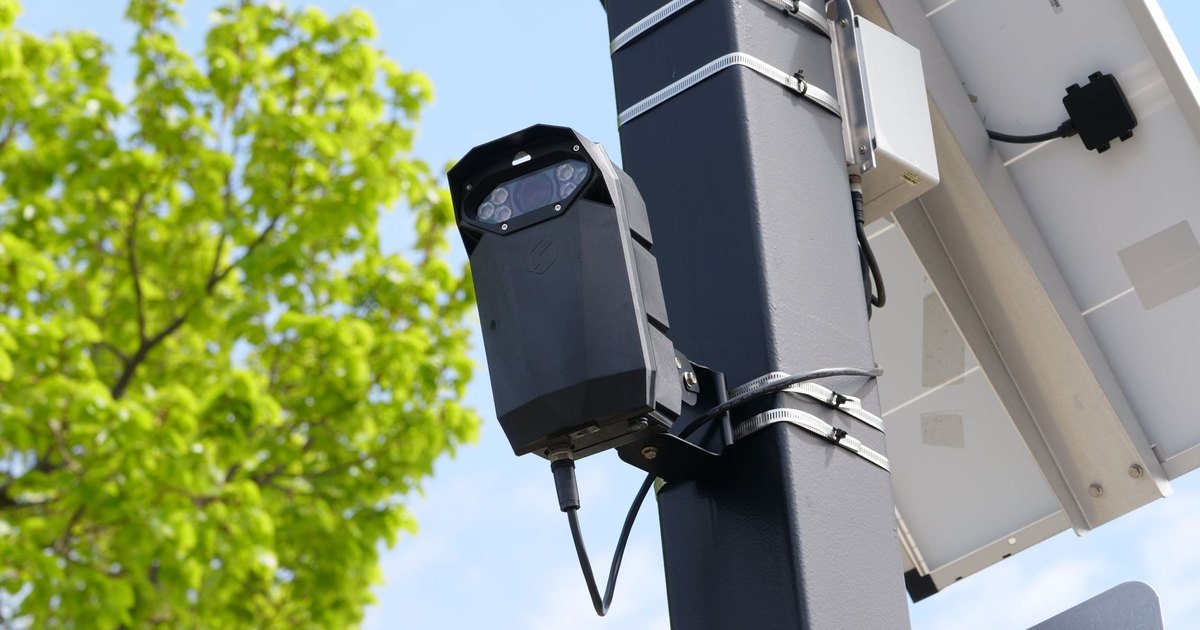
Flock Safety's AI Tool Tracks Drivers Without License Plates
Flock Safety's new OS Investigate system uses AI to identify drivers based on movement patterns alone, with 14 of its 69 preloaded prompts requiring no license plate or personal data—raising fresh concerns about mass surveillance capabilities.
-
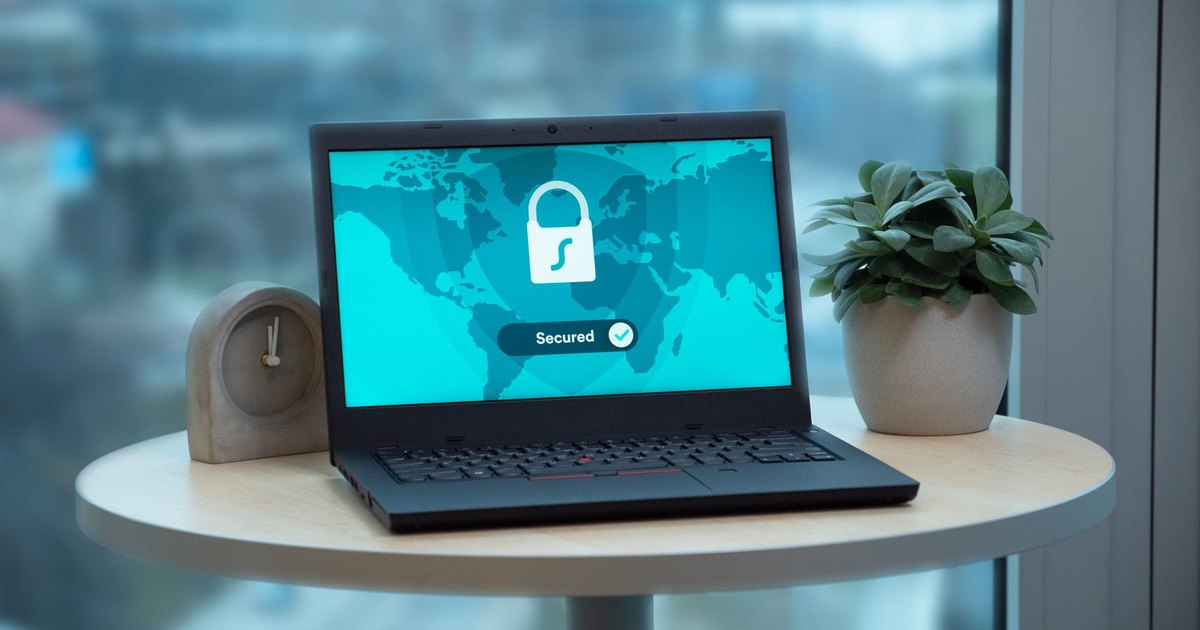
OpenAI Previews Private Safety Processing for Zero Data Retention
OpenAI is previewing Private Safety Processing, a new system that strengthens safeguards for API customers using Zero Data Retention, allowing automated detection of harmful patterns across interactions without giving personnel access to customer content.
-

Ethereum Hegotá upgrade targets 66 proposals, prioritizes privacy
Ethereum developers are narrowing the scope of the Hegotá upgrade, expected in 2027, from 66 proposals down to those with working implementations and testnet support. Three proposals would give privacy applications native tools to reduce reliance on external infrastructure.
-

GrapheneOS Defends Duress PIN as Tunick Faces Federal Charges
GrapheneOS says its privacy software is "completely legal" and constitutionally protected as Samuel Tunick, an Atlanta activist, faces federal charges for allegedly using a duress PIN to wipe his phone during a warrantless border search.
-

Flock Safety Cameras Face Congressional Backlash Over Privacy Abuse
Public opposition to Flock Safety's automated license plate reader cameras has spread from city council meetings to Congress, where Rep. Thomas Massie plans legislation to withhold federal funding from agencies deploying the technology, amid documented cases of officer abuse and activist protests.
-

Robinhood developing zero-knowledge privacy protocol for anonymous swaps
Robinhood is reportedly building a zero-knowledge privacy protocol that would enable anonymous deposits, swaps, and withdrawals, marking a potential shift toward privacy-first trading on a major centralized exchange.
-

EthSystems Spins Out of Ethereum Foundation to Build Privacy Infrastructure
EthSystems, a new startup emerging from the Ethereum Foundation's Institutional Privacy Task Force, is building confidentiality infrastructure to help banks and financial institutions deploy assets and trading activity on public blockchains without sacrificing privacy.
-

Man Charged for Using GrapheneOS Duress Password at Airport Border Search
Samuel Tunick faces federal charges under 18 U.S.C. § 2232 after allegedly triggering a GrapheneOS duress password during a warrantless border search at Atlanta's Hartsfield-Jackson airport. The case marks the first known U.S. criminal prosecution involving the privacy feature.
-

Crypto home invasions surge 20-fold in H1 2026, CertiK reports $124M losses
CertiK's H1 2026 wrench-attack report documents a 20-fold surge in crypto-related home invasions, with 52 verified incidents and $124.1 million in losses and ransom demands. Europe and France account for the majority of recorded cases.
-

Zcash trading volume surges 28% as ZEC defends $500 support
Zcash (ZEC) posted a 28% jump in 24-hour trading volume while derivatives markets surged 32%, outpacing Bitcoin and Ethereum. The asset has recovered above its 200-day moving average and faces next resistance at $520–$550, though momentum remains elevated and volatility persists.
-

BNB Chain targets 1M TPS with AI agents as token hits 2024 lows
BNB Chain is overhauling its architecture to process 1 million transactions per second and integrate protocol-level privacy, targeting traditional finance and autonomous AI agents. The pivot comes as BNB token has fallen more than 35% this year to $563, its lowest since October 2024.
-

Zcash Ironwood upgrade nears testnet launch with no critical bugs found
Zcash developers say security testing has uncovered no serious new vulnerabilities as the Ironwood upgrade moves toward testnet activation, intended to restore confidence after May's Orchard flaw crashed ZEC by more than half.
-

Zcash Founder Wilcox-O'Hearn Criticizes Coinbase Gambling Features
Zcash founder Zooko Wilcox-O'Hearn publicly criticized Coinbase on Saturday for aggressively promoting gambling-like features to vulnerable users, sparking a debate with CEO Brian Armstrong over user protection and libertarian principles in crypto.
-

StarkWare Launches Private KYC on Starknet Using Zero-Knowledge Proofs
StarkWare introduced Private KYC on Starknet, allowing users to prove specific identity attributes via zero-knowledge proofs without exposing full passport details. The launch addresses record data breaches across sectors.
-

Aztec Connect smart contract exploited for $2.1M after protocol shutdown
A dormant smart contract from the deprecated Aztec Connect protocol was drained of approximately $2.1 million on June 14 after an attacker exploited a verification logic flaw, highlighting risks inherent in immutable DeFi infrastructure.