Goldman Sachs projects $1.2 trillion in 2027 hyperscaler AI capex, flags energy limits
In brief
- Goldman Sachs projects roughly $1.2 trillion in 2027 AI capex from five US hyperscalers, per Crypto Briefing.
- The 2027 forecast is 50-54% above an estimated $800 billion for 2026.
- An upside scenario puts 2027 spending closer to $1.4 trillion.
- Energy supply, labor availability and memory chip shortages are the bottlenecks Goldman flagged.
- The five firms would need about $300 billion in annual AI revenue to break even.
What Goldman's note projects
LeoDex News hasn't seen the Goldman note itself. Every figure below comes from Crypto Briefing's report, and all of them are forecasts, not results.
The $1.2 trillion estimate beats the Wall Street consensus of around $1.1 trillion. Hammond's team goes further than that, with an upside scenario that puts 2027 spending closer to $1.4 trillion. Goldman kept raising its numbers throughout 2026 (it cited strong Q2 and Q3 hyperscaler capex results as evidence that earlier consensus figures were too conservative).
The growth rate is where the curve bends. AI infrastructure spending grew nearly 100% in 2026, per the report, and Goldman expects that rate to slow to 54% in 2027 and then to 12% in 2028, when total spending is projected to reach $2 trillion. Over the full stretch from 2026 through 2031, the bank estimates cumulative spending of $7.6 trillion.
It's a big number to earn back.
Goldman's analysis indicates the five hyperscalers would need about $300 billion in annual AI-related revenue to break even on their infrastructure investments.
Energy, labor and memory
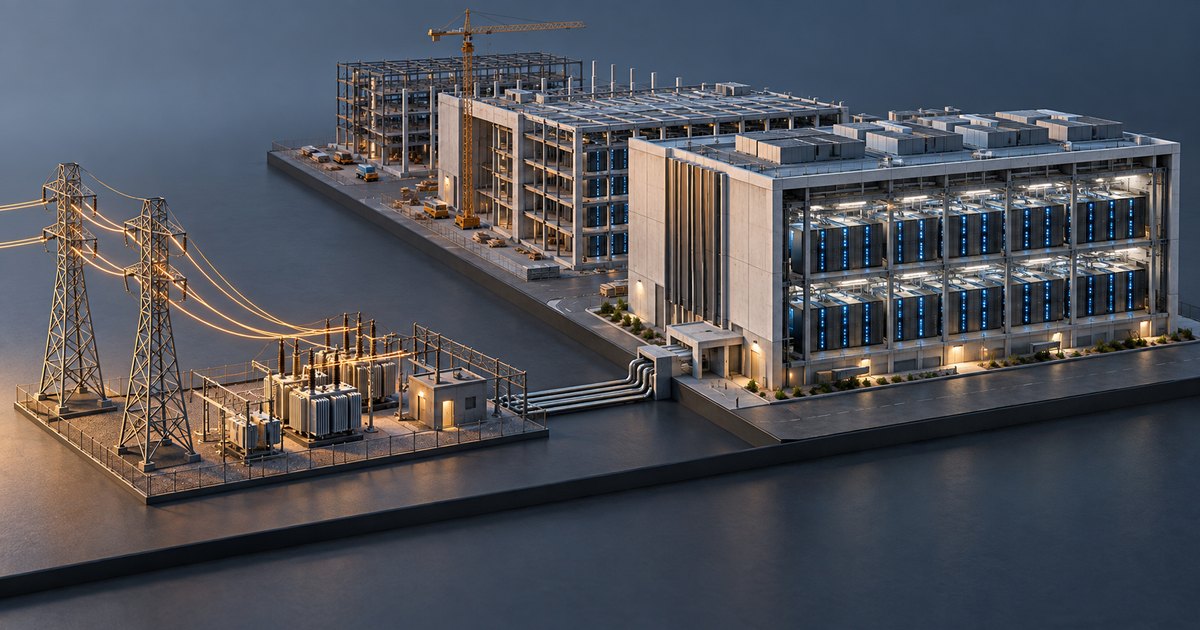
Goldman's strategists flagged three key bottlenecks: energy supply, labor availability and memory chip shortages.
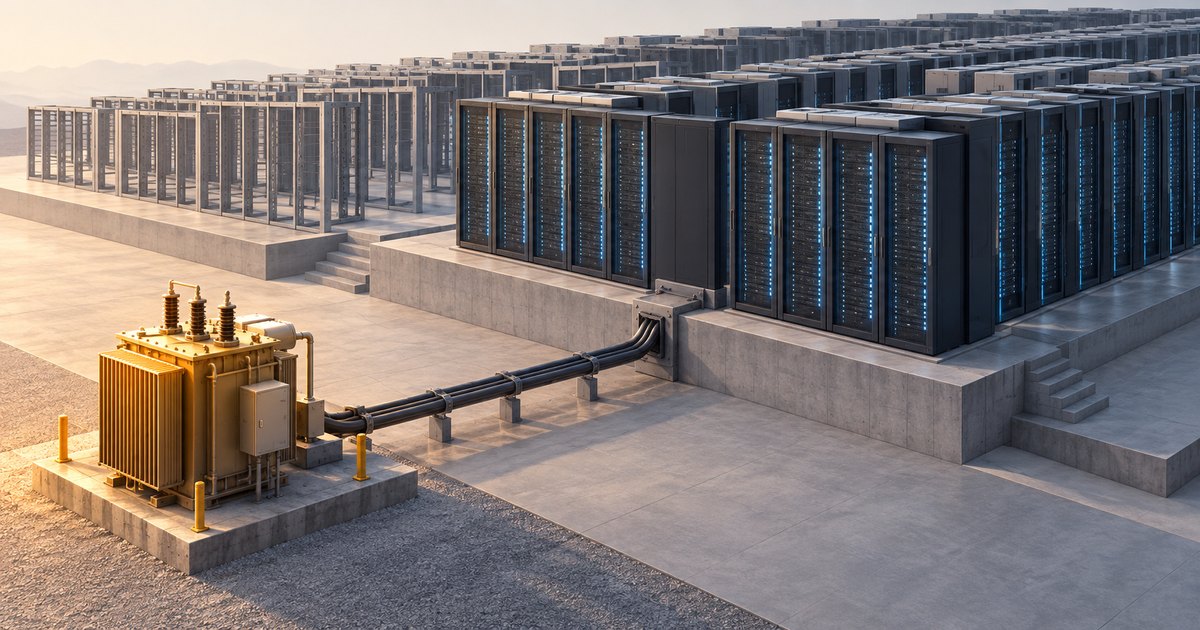
Energy supply comes first on that list. According to Crypto Briefing, data centers are already straining power grids in key markets. The firms building them are exploring nuclear, natural gas and renewable energy partnerships, but the report noted that new power generation takes years to bring online.
Memory isn't much easier. High-bandwidth memory has been in tight supply because demand outpaced manufacturers' ability to scale production. SK Hynix and Samsung have been adding capacity, the report said, but the gap between supply and demand hasn't closed.
What to watch
The forecasts depend on hyperscaler capex continuing to come in strong. Goldman has revised its projections upward repeatedly through 2026, citing strong Q2 and Q3 capex results, and its own path has growth slowing to 12% by 2028. That's the number to track against the $300 billion revenue bar.
Frequently asked questions
What bottlenecks did Goldman Sachs flag for AI infrastructure spending?
According to Crypto Briefing, Goldman's strategists named three bottlenecks: energy supply, labor availability and memory chip shortages. The report said data centers are already straining power grids in key markets, and high-bandwidth memory has been in tight supply because demand outpaced production.
How much AI revenue do hyperscalers need to break even on the buildout?
Goldman's analysis, as reported by Crypto Briefing, indicates Amazon, Alphabet, Microsoft, Oracle and Meta would need about $300 billion in annual AI-related revenue to break even on their AI infrastructure investments.