Google explores demand-response deals to curb AI data center power peaks
In brief
- Google is reportedly exploring demand-response programs for its AI data centers.
- Google's electricity consumption rose 37% in 2025, according to Crypto Briefing.
- Demand response shifts or reduces machine-learning workloads during high-demand periods.
- Utility agreements cover around 1 gigawatt of demand-response capacity, the report said.
- Observers are watching whether Louisiana enacts a data center moratorium by December 31, 2026.
How the program works
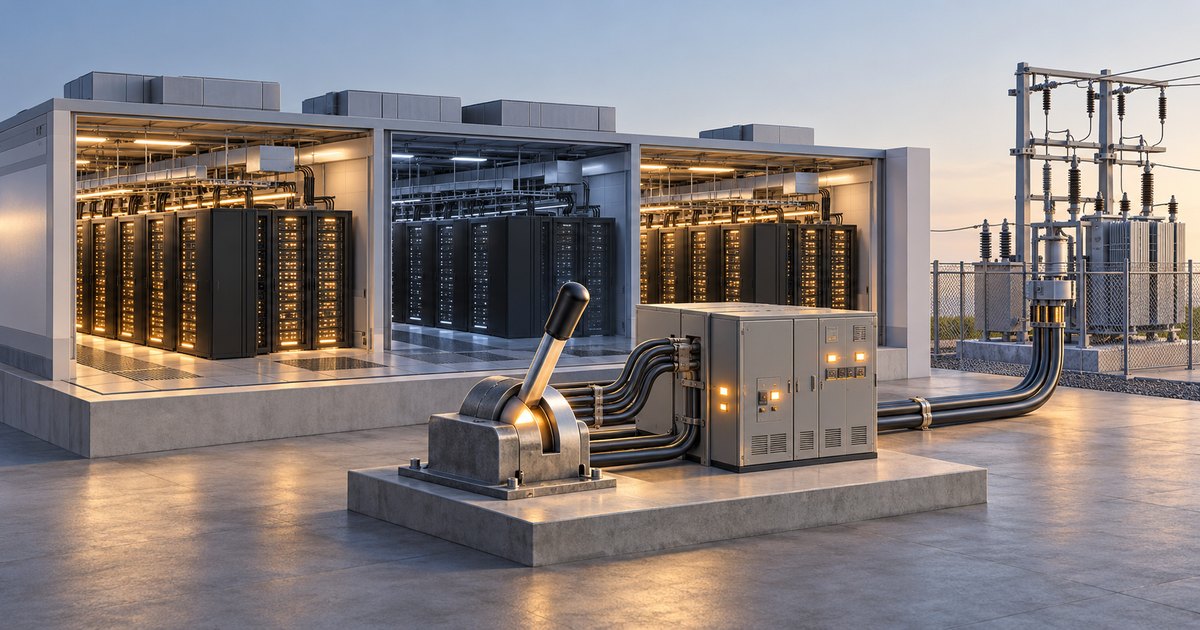
Demand response is the interesting part. Rather than only building its way out of the problem, Google is focusing on strategies to handle peak power demand without relying solely on new power generation, according to the report.
In practice that means moving compute around. When demand on the grid peaks, machine-learning workloads get shifted to another time or scaled back (the report covers both options).
This approach involves shifting or reducing machine-learning workloads during high-demand periods.
The scale isn't small. Google has agreements with several utilities covering around 1 gigawatt of demand-response capacity, the outlet said. The report presents the strategy against a backdrop of a 37% jump in the company's electricity consumption in 2025, which is a lot of new load to add in one year.
The Louisiana question
The report ties the strategy to a live policy debate. Observers are watching whether Louisiana enacts a data center moratorium by December 31, 2026, according to Crypto Briefing.
The outlet's read is that Google's proactive measures could point to less need for that kind of action. It named Louisiana's government officials and energy regulators as the key actors to watch, saying they may reassess whether moratoriums are needed based on how tech companies manage their energy use.
That's a big "may."
What isn't settled
The report says Google is exploring these programs, and it's one outlet's account. Its link between demand response and moratorium policy is framed as a possibility, not a forecast. The flexibility argument (that AI workloads can bend around the grid instead of the grid bending around them) is the case Google's approach makes, according to the report. Whether Louisiana regulators accept it is a question their decision will answer.
Frequently asked questions
How does Google's demand-response approach work?
According to Crypto Briefing, the approach involves shifting or reducing machine-learning workloads during high-demand periods. It's meant to handle peak power demand without relying solely on new power generation.
How much demand-response capacity has Google secured?
Google has agreements with several utilities covering around 1 gigawatt of demand-response capacity, according to the report. The company's electricity consumption rose 37% in 2025.
Why does this matter for Louisiana's data center policy?
Crypto Briefing said observers are watching whether Louisiana enacts a data center moratorium by December 31, 2026. The outlet suggested Google's measures could point to less need for moratoriums, and said Louisiana officials and energy regulators may reassess the question based on tech companies' energy strategies.