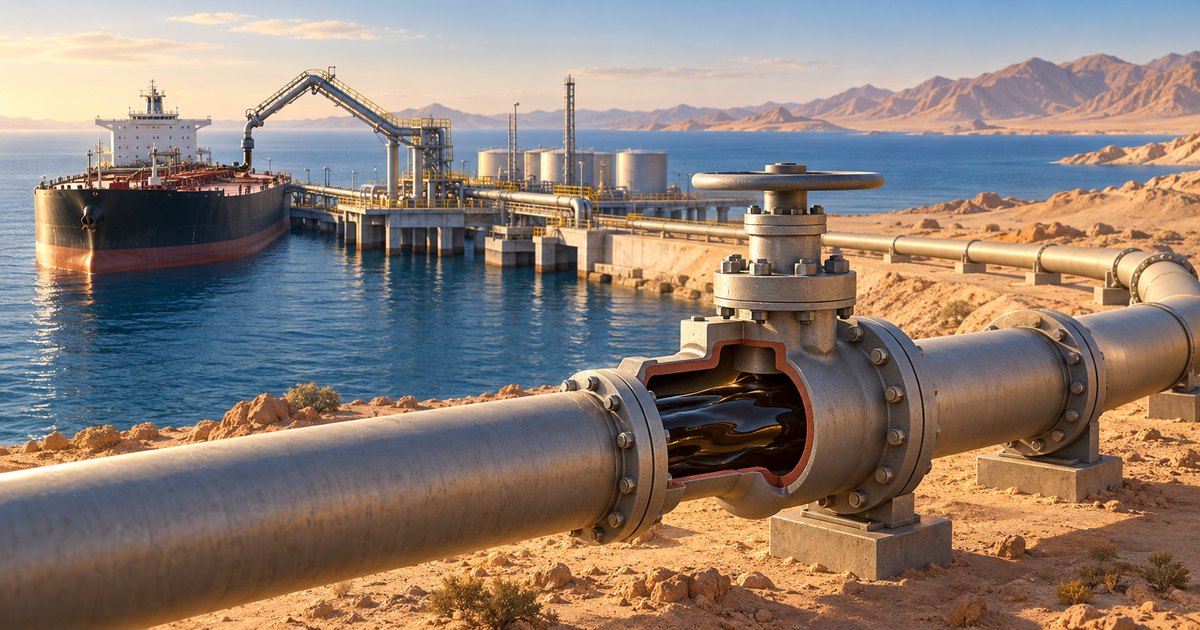
Gulf oil producers invest billions in pipelines to bypass Strait of Hormuz
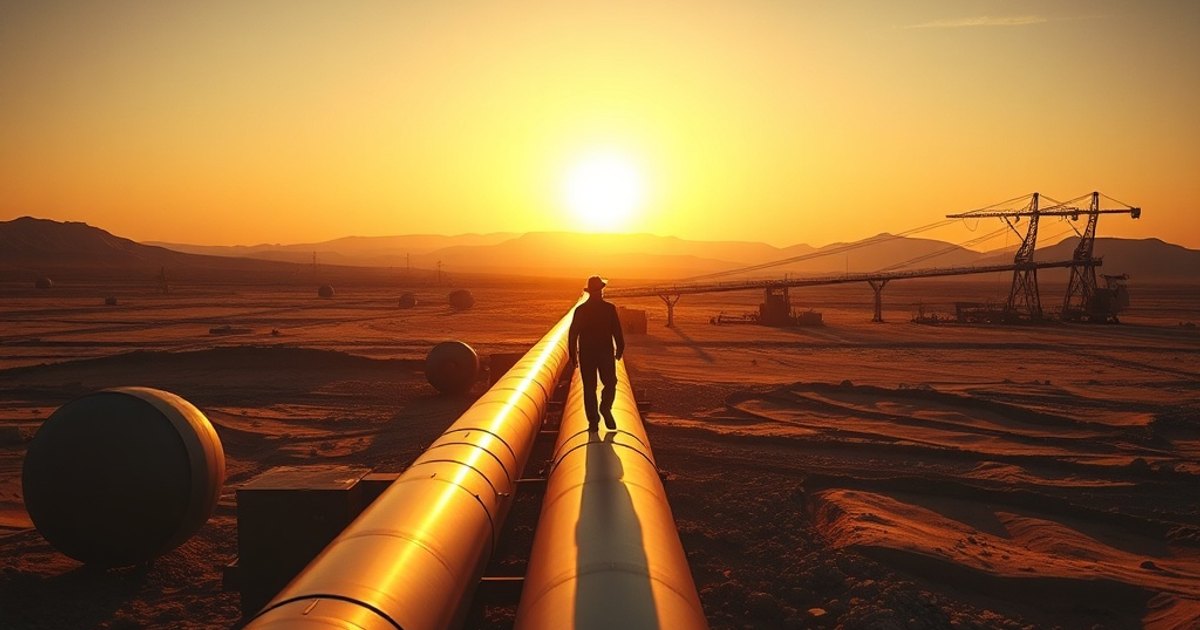
In brief
- Gulf producers invest billions in pipeline infrastructure to bypass Strait of Hormuz
- Strait of Hormuz handles ~20% of global oil shipments, making it a critical energy chokepoint
- Saudi Arabia and UAE secure exports amid regional tensions and geopolitical risks
- Pipeline alternatives reduce exposure to disruptions that could spike oil prices
The chokepoint problem
About 20% of global oil shipments have historically passed through the strait, making it a critical chokepoint for global energy supply. The Strait of Hormuz sits at the nexus of geopolitical risk. Any closure or disruption could further elevate oil prices, creating cascading effects across energy markets and broader macroeconomic conditions.
Gulf producers understand the vulnerability. A single blockade or military incident in the strait could disrupt months of supply. That's why the pipeline investments matter — they're not about profit alone. They're about resilience.
Strategic infrastructure buildout
Saudi Arabia and the UAE are among the strategic actors securing their oil exports amid ongoing regional tensions. The construction of new pipelines is aimed at reducing reliance on a single chokepoint. These routes create redundancy in the global energy system, distributing risk across multiple pathways.
The geopolitical stakes are clear. Key actors such as the U.S. government, OPEC+, and Iranian authorities will likely influence market perceptions and pricing as these infrastructure projects develop. Pipeline diplomacy is energy diplomacy. Every new route shifts leverage in regional negotiations.
Market implications
Pipeline diversification doesn't eliminate oil price volatility. It does reduce the risk of catastrophic supply shocks tied to a single point of failure. For traders and energy markets, this infrastructure buildout signals a structural shift in how Gulf producers manage export risk — one that's likely to influence pricing dynamics and geopolitical calculations for years ahead.
Frequently asked questions
Why are Gulf oil producers building new pipelines?
Gulf producers are building pipeline alternatives to reduce dependence on the Strait of Hormuz, a critical chokepoint through which about 20% of global oil shipments pass. Geopolitical tensions and the risk of supply disruptions make diversification a strategic priority for Saudi Arabia, the UAE, and other producers.
What happens if the Strait of Hormuz closes?
A closure or disruption of the Strait of Hormuz could significantly elevate oil prices and create cascading effects across energy markets. This risk is why pipeline alternatives matter — they reduce exposure to a single point of failure in global energy supply.