Luxor's 6–13% Bitcoin financing spread hinges on hashrate delivery, CryptoSlate says
In brief
- Luxor reported a 6–13% annualized Bitcoin financing spread in its September lookback, published Oct. 9.
- Lenders bought prepaid mining power paired with a price hedge; miners used the reverse trade.
- CryptoSlate says the range isn't an executed return after costs or a currently available quote.
- Luxor didn't disclose which tenors produced the range or how it annualized the figure.
- Undelivered hashrate can leave the hedge owing payments without matching mining income.
How the trade works
Mining power (hashrate) produces revenue at a rate known as hashprice. According to CryptoSlate's analysis, the return comes from the discount a miner accepts in exchange for getting money upfront.
In a deliverable forward, the buyer pays the full price upfront and the seller has to deliver hashrate to Luxor's Bitcoin Mining Pool. Luxor said those contracts typically traded below comparable non-deliverable forwards (compensating buyers for credit risk and the cost of committing capital).
The second leg is the sale of a non-deliverable forward, or NDF. It settles in cash. For the NDF seller, daily settlement is the agreed hashprice minus that day's index rate, multiplied by the contracted hashrate.
Where the hedge leaks
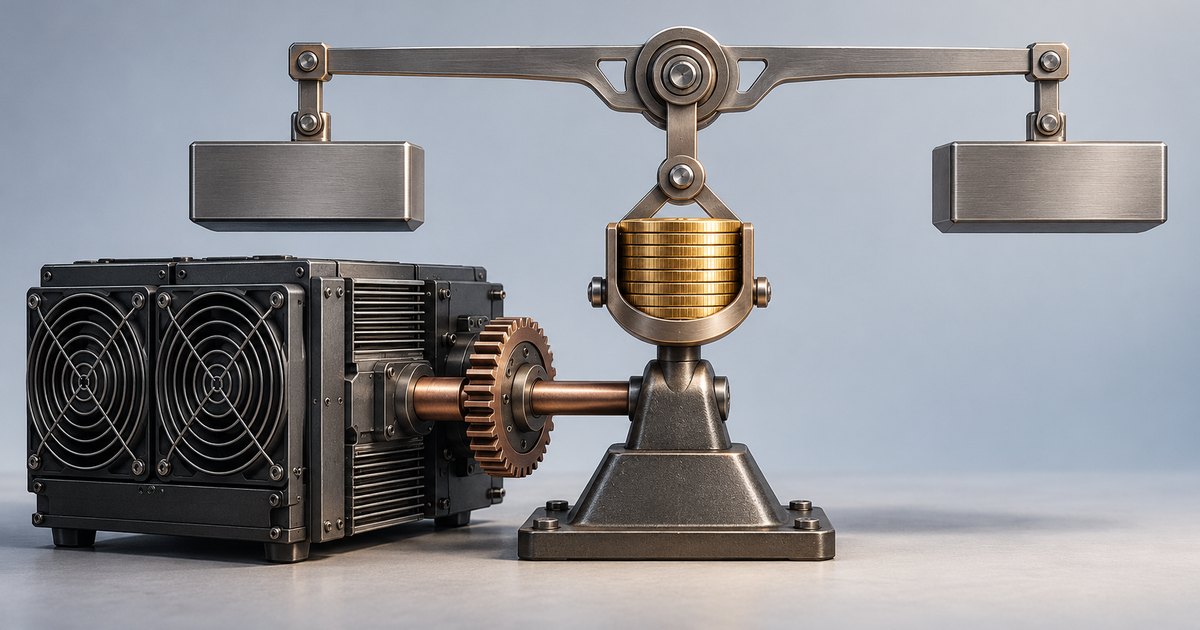
The two legs' price exposures only cancel if they use the same BTC denomination, hashrate quantity, settlement dates and index methodology, CryptoSlate said. A hedge covering different quantities or dates leaves part of the mining revenue exposed. A BTC-denominated hedge also leaves the dollar value of those Bitcoin receipts open to BTC/USD moves.
CryptoSlate also flagged delivery risk.
If promised mining power isn't delivered and the shortfall isn't cured, CryptoSlate's analysis says, the revenue leg can come in smaller than expected while the hedge still carries settlement obligations. In that case, CryptoSlate wrote, the price hedge can require payment without the corresponding income. And there's a single counterparty in the middle: Luxor's order-book documentation says Luxor is counterparty to both the buyer and the seller, per CryptoSlate.
What the 6–13% doesn't tell you
Luxor's product pages describe monthly contracts up to 18 months out, plus custom durations. Its September financing discussion didn't say which tenors produced the 6–13% range, and it didn't give an annualization formula.
That gap matters for anyone reading the headline number. Annualized pricing doesn't mean an investor earns the quoted percentage over a shorter contract, CryptoSlate noted, and the reported range doesn't establish an executed return after costs. The analysis, by Liam 'Akiba' Wright, treats the figure as a lookback range rather than something a lender can lock in today.
Frequently asked questions
Where does Luxor's reported 6–13% Bitcoin financing spread come from?
According to CryptoSlate, the return comes from the discount a miner accepts in exchange for receiving money upfront. Lenders and Bitcoin treasury companies bought prepaid mining power paired with a price hedge, while miners used the reverse trade to obtain financing, Luxor said.
What is the difference between a deliverable forward and an NDF on Luxor?
In a deliverable forward, the buyer pays the full price upfront and the seller must deliver hashrate to Luxor's Bitcoin Mining Pool. A non-deliverable forward settles in cash instead. For the NDF seller, daily settlement is the agreed hashprice minus that day's index rate, multiplied by the contracted hashrate.
What happens if a miner doesn't deliver the promised hashrate?
According to CryptoSlate's analysis, if promised mining power isn't delivered and the shortfall isn't cured, the revenue leg can be smaller than expected while the hedge still carries settlement obligations. The price hedge can then require payment without the corresponding mining income.
Is the 6–13% figure a return investors can get today?
No, according to CryptoSlate. Luxor's reported September range doesn't establish an executed return after costs or a quote available at the time of writing. Luxor also didn't identify which tenors produced the range or give its annualization formula.