US disables Iranian shadow-fleet tankers after IRGC missile attacks
In brief
- CENTCOM permanently disabled two crude oil tankers and destroyed a third near Iranian waters on September 5, 2026
- Strikes followed IRGC missile attacks on two US Navy warships in direct economic retaliation
- All tanker crews evacuated with no casualties; operation targets Iran's sanctions-circumventing shadow fleet
Targets and execution
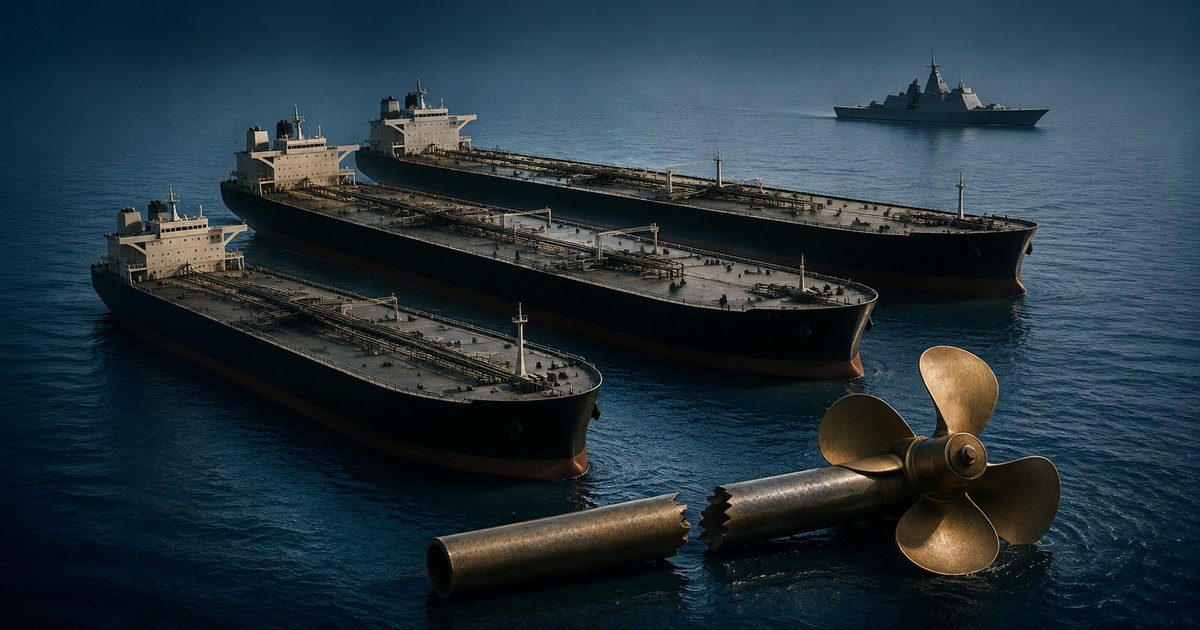
US forces targeted the M/T Downy, M/T Stark 1, and M/T Kylo, also known as Noxen. The M/T Downy was permanently disabled off Kharg Island, Iran's largest oil export terminal. The M/T Stark 1 was permanently disabled near Jask, which sits near the mouth of the Gulf of Oman—a strategic chokepoint for tanker traffic leaving Iranian waters. The M/T Kylo, sailing without cargo, was completely destroyed.
Crews aboard all three vessels were warned before US forces executed the strikes. CENTCOM confirmed no casualties among tanker personnel.
Economic retaliation and shadow fleet operations
US Central Command Admiral Brad Cooper framed the strikes explicitly as economic retaliation. The operation fits into a broader pattern: the United States imposed a naval blockade against Iran on April 13, 2026, and since then, US forces have conducted multiple disablements of vessels attempting to move cargo in violation of that blockade.
The ships targeted fit into what CENTCOM has been calling Iran's shadow fleet—a collection of tankers that move Iranian crude oil outside formal shipping channels to sidestep sanctions. By disabling these vessels, the US signals it will pursue economic consequences for Iranian military aggression, not just diplomatic ones.
Regional implications
The strikes underscore escalating tensions in the Persian Gulf. The Joint Maritime Information Center has been tracking maritime threats in the region since early 2026, and this operation reflects the reality of that heightened posture. Disruptions to Iranian oil exports ripple through global energy markets, adding pressure to already volatile crude prices and raising questions about the durability of regional stability.