

Topic: #energy
-

Crude oil climbs toward $100 as Middle East tensions escalate
Brent crude recently reached $94.65 per barrel and WTI hit $90.22 as U.S. sanctions on Iran and Middle East strikes influence global oil markets. Geopolitical risks remain one factor among OPEC production decisions and broader economic forces shaping prices.
-

US Oil Prices Surge 41% Since July, Nearing $95 Per Barrel
US crude oil has climbed to roughly $95 per barrel, marking a 41% increase since July 2nd, driven by geopolitical tensions and rising global demand. Prediction markets now price a 1.8% chance of a new all-time high by September 30.
-
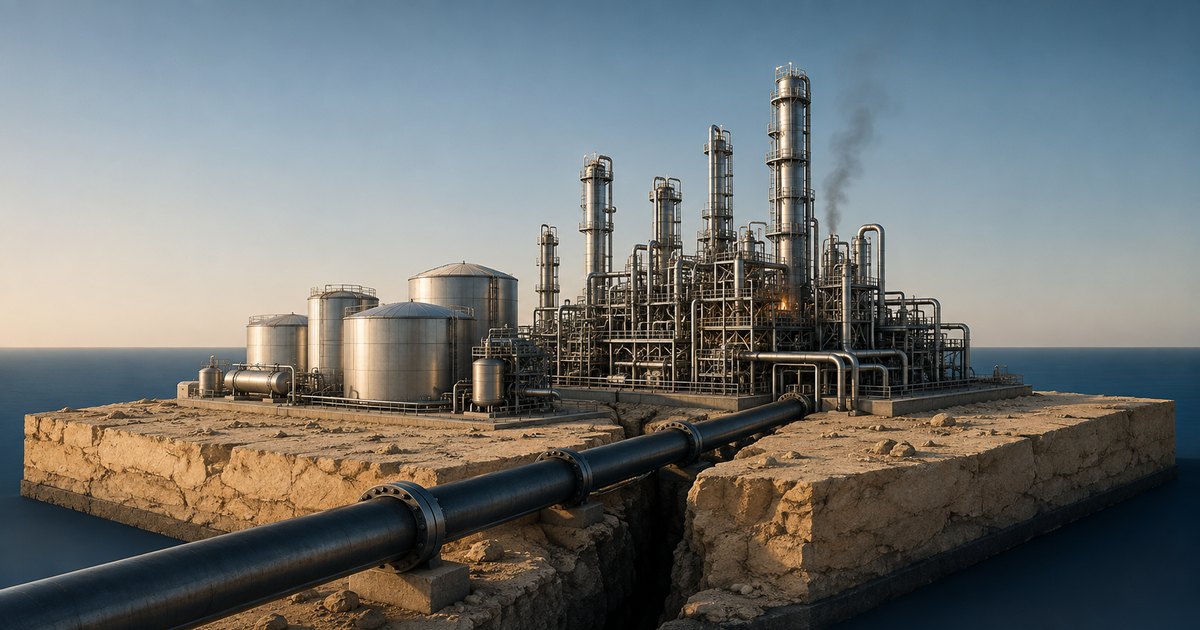
Houthi strikes on Saudi Aramco refinery deepen geopolitical risk to global oil supply
Houthi forces struck Saudi Aramco's Jazan refinery on August 9, marking the latest in a series of 2026 attacks on critical Saudi energy sites. While no casualties were reported and the blaze was contained, the repeated strikes introduce persistent risk premiums into crude pricing and heighten concerns over global oil stability.
-

Diesel prices hit record $5.85/gallon, complicating US inflation fight
The national average retail price of diesel fuel reached $5.85 per gallon on September 4, 2026, surpassing the previous record set in June 2022. Supply chain disruptions from geopolitical conflicts and refinery constraints are keeping prices elevated, potentially delaying Federal Reserve rate cuts.
-
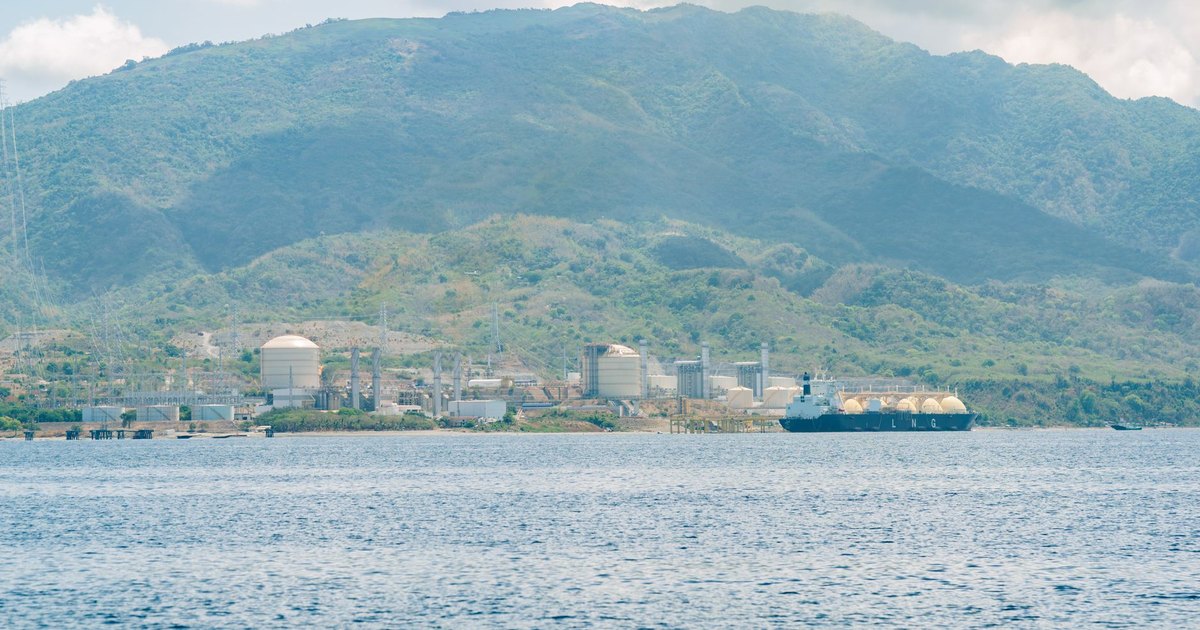
Asian LNG prices hit highest since 2022 amid Iran tensions
Asian liquefied natural gas prices climbed to their highest levels since December 2022, driven by escalating geopolitical tensions involving Iran and concerns over disruptions in the Strait of Hormuz, a critical shipping route.
-

US Diesel Inventories Hit Record Low Since 1980s
US distillate fuel inventories fell to 103.4 million barrels in late August 2026, the lowest seasonal level since the 1980s, as record export volumes and geopolitical disruptions drain domestic supply ahead of heating season.
-

Iran and Oman agree on Strait of Hormuz shipping route
Iran announced an agreement with Oman on a proposed shipping route through the Strait of Hormuz, potentially easing restrictions that have limited access to the critical waterway since February 2026 and signaling a strategic shift in managing regional energy flows.
-

OPEC+ signals output increase despite Strait of Hormuz constraints
OPEC+ has signaled willingness to boost oil production amid Middle East supply disruptions, but export constraints through the Strait of Hormuz may limit actual output gains. Prediction markets show declining odds of crude reaching new all-time highs.
-

Europe's heat waves disrupt power, spur fossil fuel imports
Intense European heat waves have disrupted nuclear, gas, coal, wind, and hydroelectric power generation, forcing the continent to increase reliance on imported fossil fuels. Market participants now assess a 4.9% probability of crude oil reaching a new all-time high by September 30, rising to 14.0% by year-end.
-

Oil prices fall over $1 as Strait of Hormuz shipping improves
Brent crude settled at $89.03 and WTI closed at $83.59 as shipping flows through the Strait of Hormuz recovered, easing supply concerns despite ongoing US-Iran tensions.
-

Senate passes bipartisan bill for 100% tariffs on Russian energy
A bipartisan group of US senators agreed on legislation that would authorize tariffs as high as 100% on major purchasers of Russian oil and gas, while extending sanctions against Iran through 2031. The bill also aims to close loopholes in Russia's shadow fleet and delayed progress on crypto regulation.
-

Red Sea shipping hits record low after Houthi attacks on Saudi oil
Shipping through the Bab el-Mandeb Strait dropped to eleven vessels on Sunday—the lowest level in months—after Houthi attacks on Saudi Aramco facilities disrupted Middle Eastern energy export routes.
-

Brent crude nears $100 as Trump faces limited price-control options
Brent crude is trading near $98.49 per barrel as geopolitical tensions and supply disruptions push oil toward the $100 psychological threshold. Trump has few levers left to control prices, while market odds for a new all-time high by year-end have climbed to 17.5%.
-

Houthi attacks on Saudi tankers push Brent crude past $98, rattling Bitcoin
Yemen's Houthi group struck two Saudi-flagged oil tankers in the Red Sea this week, driving Brent crude to a six-week high above $98 per barrel and rattling crypto markets including Bitcoin and XRP.
-

Gulf oil producers invest billions in pipelines to bypass Strait of Hormuz
Saudi Arabia and the UAE are funding new pipeline infrastructure to create alternative routes for oil exports, reducing reliance on the Strait of Hormuz amid geopolitical tensions that threaten one of the world's most critical energy chokepoints.
-

Houthi attacks on Saudi tankers push oil prices to six-week highs
Houthi militants targeted two Saudi crude tankers in the Red Sea, raising geopolitical tensions and driving Brent crude to $94.76 and WTI to $88.01—both marking six-week highs amid shipping route security concerns.
-

Energy stocks surge 20% in 2026 as geopolitical tensions sustain oil prices
Energy stocks gained 20% in 2026, significantly outperforming the flat S&P 500, as geopolitical tensions involving the US, Israel, and Iran kept crude oil prices elevated and disrupted global shipping routes.
-

US gasoline prices rise for first time since May as Iran ceasefire collapses
US gasoline prices posted their first weekly increase since May following the collapse of a ceasefire between the US and Iran, reigniting oil market volatility and reviving inflation concerns for crypto markets.
-

Russian refinery output hits 20-year low amid Ukraine strikes
Russian refinery operations fell to their lowest levels in over two decades following Ukrainian strikes in June, with crude oil markets now pricing in elevated odds of record-high prices by year-end as OPEC cuts and geopolitical tensions weigh on supply expectations.
-

Nvidia, Oracle trials show AI data centers cut power 30% during grid stress
Field trials led by Emerald AI in partnership with Nvidia and Oracle Cloud Infrastructure demonstrated that AI data centers can dynamically reduce power consumption by more than 30% during grid stress, potentially unlocking 100 GW of additional capacity without building new power plants.
-
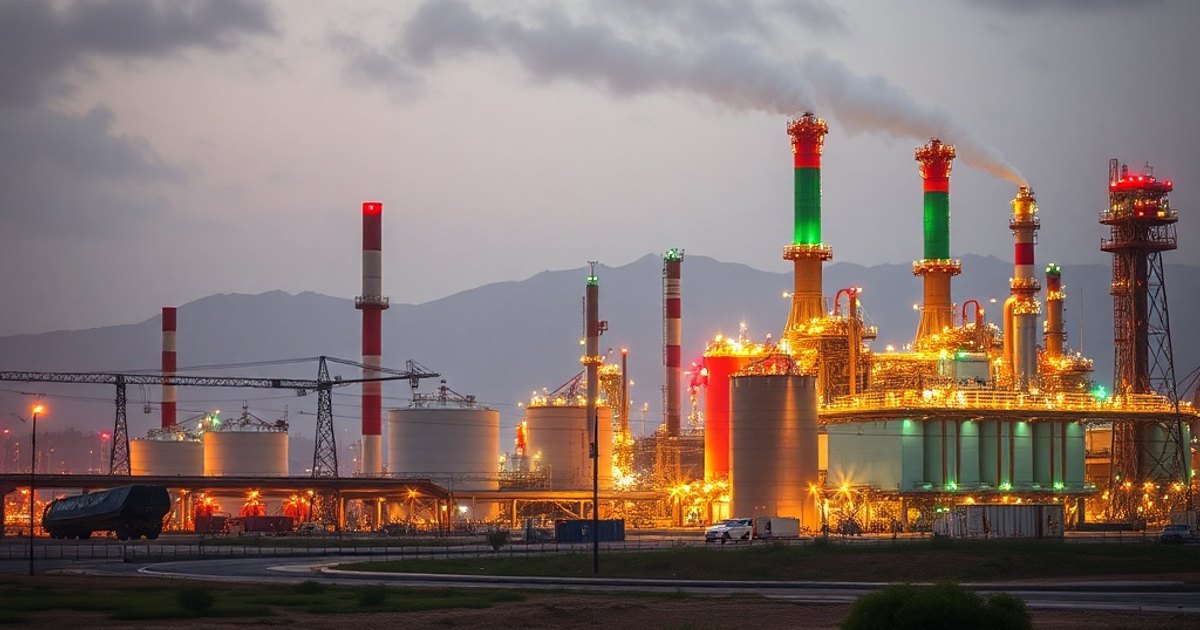
Dangote Refinery IPO halted by Nigeria SEC, rescheduled to September
Nigeria's Securities and Exchange Commission issued a halt order on Dangote Petroleum Refinery's IPO in June 2026, citing lack of formal application. The $39–50 billion offering, targeting September, would be Africa's largest ever and fund a five-year industrial expansion.
-

Trump Orders DOJ Probe Into Oil Pricing After Accusing Majors of Gouging
President Trump accused major oil companies of price gouging on June 24 and ordered the Department of Justice to investigate their pricing practices, citing a gap between crude oil declines and gasoline price drops.
-

Saudi Arabia condemns Iranian strikes on Kuwait and Bahrain
Saudi Arabia's Foreign Ministry condemned Iranian missile and drone attacks on Bahrain and Kuwait as brutal aggression, pledging full solidarity with its neighbors. The escalation traces to US and Israeli operations against Iranian assets in late February and March 2026, prompting Iran's retaliatory campaign and raising concerns about Gulf oil supply disruptions.
-

Dangote Refinery seeks $40B valuation in Nigeria's largest IPO
Aliko Dangote is pursuing a public listing for his Lagos-based petroleum refinery at a $39 billion valuation, the largest in Nigerian history. The SEC halted IPO marketing in June due to a missing formal application, potentially delaying the September 2026 target date.