

Topic: #regulatory
-

Bitcoin surges past $81K on SEC tokenized securities exemption
Bitcoin rose 6% on September 18 to cross $81,000, driven by the SEC's new tokenized securities exemption and declining oil prices. The move marked a sharp reversal from mid-week consolidation, with spot ETF inflows and short liquidations amplifying the rally.
-

SEC Opens Five-Year Pathway for Tokenized US Stocks on Blockchain
The SEC's Innovation Exemption allows regulated US stocks to trade on blockchain-native venues for five years, arriving two days after the Senate blocked the CLARITY Act crypto bill. The framework opens the $77 trillion US stock market to decentralized trading mechanics.
-

Aave's Kulechov pitches DeFi "Uber path" after Senate blocks CLARITY Act
Aave founder Stani Kulechov called on DeFi to build mass-market products and become politically indispensable after senators rejected the CLARITY Act's path to a floor vote. His strategy reveals how Aave's consumer-grade design could sidestep regulatory oversight.
-

SEC Grants Five-Year Innovation Exemption for Tokenized Stock Trading
The SEC issued a temporary Innovation Exemption on September 17 allowing qualified venues to trade tokenized National Market System stocks on public blockchains through permissioned AMM pools, with strict safeguards requiring tokens to convey full shareholder rights and liquidity providers to be US entities.
-

NOPAL vault surpasses $100M in AUM, tokenizing Brazilian credit card receivables
The Nest BlackOpal LiquidStone II Vault (nOPAL) reached $100M in assets under management, tokenizing Brazilian credit card receivables and distributing yields across five blockchains. The vault's bankruptcy-remote structure and audited smart contracts offer DeFi investors access to real-world assets with yields in the 8–12% APY range.
-

SEC approves temporary framework for tokenized stock trading onchain
The SEC approved a temporary exemption allowing a limited number of venues to trade tokenized shares of US stocks onchain, marking a cautious step toward blockchain-based securities markets while regulators study the technology's impact.
-

Chris Land leads Senate crypto bill negotiations as regulatory clarity looms
Chris Land, newly appointed staff director of the Senate Banking Subcommittee on Digital Assets, has assumed lead negotiator role for a Senate cryptocurrency bill. His Wyoming legislative background on digital assets signals potential progress toward clearer U.S. crypto regulation.
-
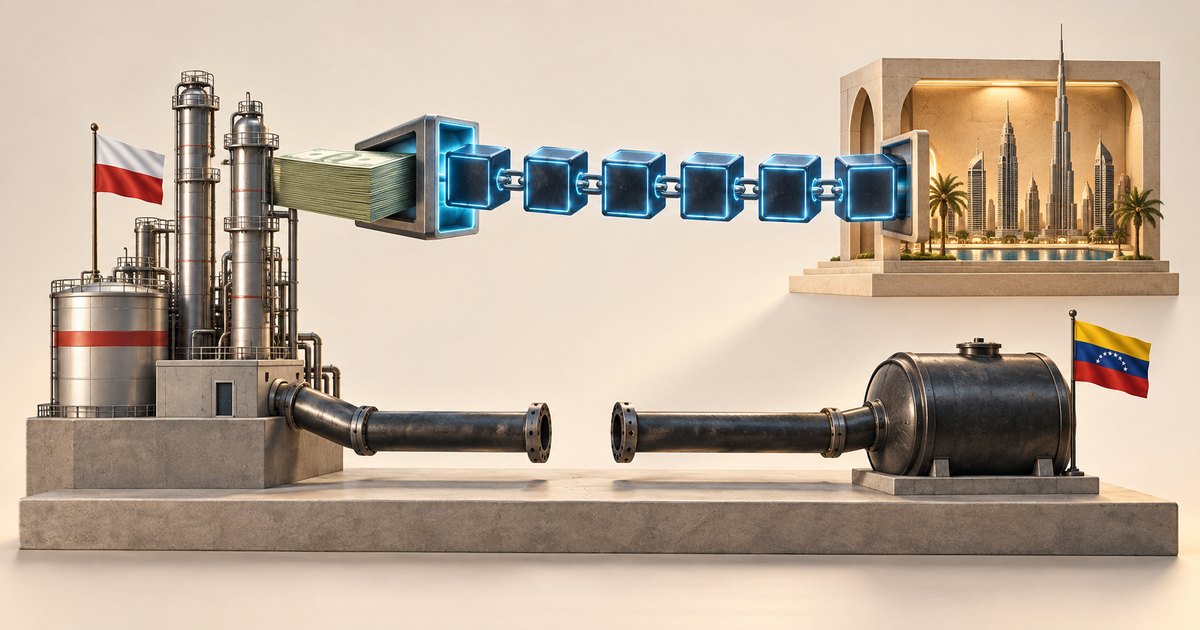
Orlen loses $400M in Venezuelan oil scheme routed through crypto
Poland's state oil refiner Orlen lost approximately $400 million in a failed crude purchase from Venezuela, with money converted to cryptocurrency and routed through Dubai intermediaries. Three former executives face charges of negligent supervision.
-

Revolut phishing attack bypasses email security, exposes customer data
A spoofed government email passed all standard authentication checks and tricked Revolut into exposing customer identity documents, transaction histories, and Bitcoin activity. No passwords, PINs, or funds were compromised.
-

White House weighs Defense Production Act to boost US refining capacity
The White House is exploring use of the Defense Production Act to boost domestic refining capacity as diesel prices hit record highs and US refineries operate at near-maximum utilization, with executives recommending efficiency upgrades over new construction.
-

India launches Demat 2.0 blockchain pilot for tokenized corporate bonds
India's Reserve Bank and Securities and Exchange Board launched Demat 2.0, a blockchain-based pilot for tokenized corporate bonds and faster digital settlement, with the first issuance a Rs 500 crore Larsen & Toubro bond backed by major Indian banks and financial institutions.
-

Citadel Securities urges SEC to regulate equity-linked derivatives over insider trading risk
Citadel Securities asked the SEC to assert jurisdiction over equity-linked event contracts tied to public companies, arguing trading venues are exploiting CFTC's lighter-touch approval to sidestep securities oversight and expose markets to insider trading.
-

Anthropic researchers warn of 10%+ AI extinction risk within decade
Anthropic alignment researchers, including team lead Evan Hubinger, have publicly warned of extinction-level risks from AI, with estimates exceeding 10% probability within ten years. The warnings follow departures and internal concerns about inadequate safety measures.
-
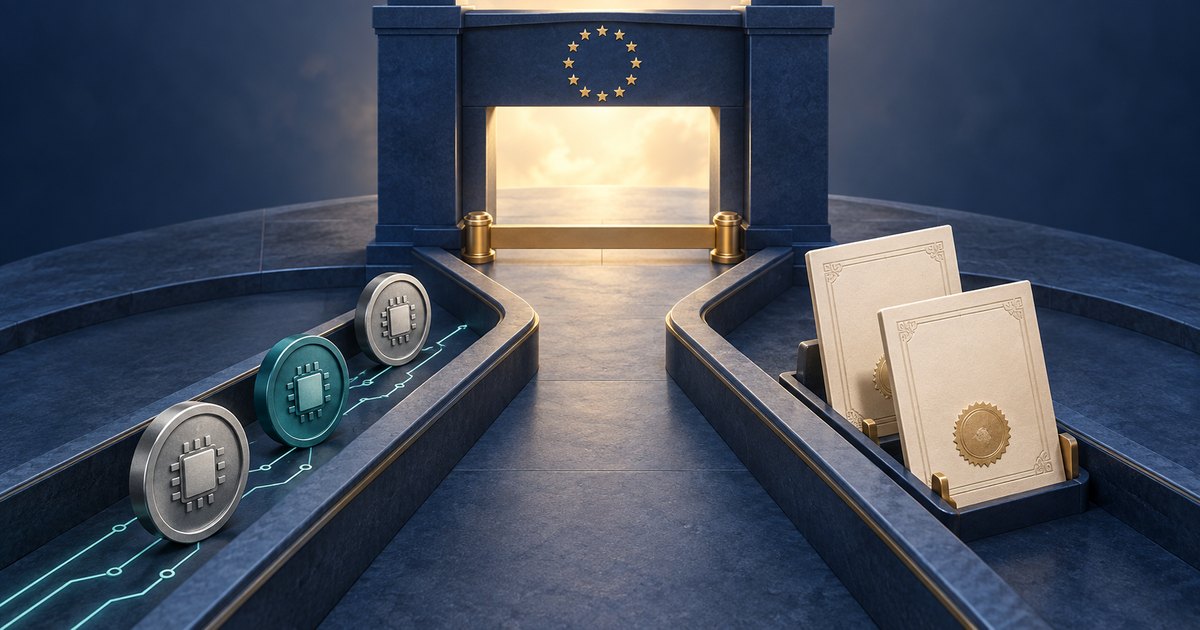
Bybit pursues MiFID II license for crypto-stocks trading in Europe
Bybit secured MiCA authorization in May 2025 and launched its European platform at bybit.eu by July. The exchange is now pursuing a MiFID II license to offer regulated derivatives alongside crypto and traditional assets across the EEA.
-

OpenAI appoints Paul Christiano as non-voting observer to Foundation board
Paul Christiano, a former OpenAI alignment lead and US government AI tester, joined the board of the OpenAI Foundation as a non-voting observer following the company's recent restructuring. The appointment places a government expert within OpenAI's governance structure.
-

Sunrise expands tokenized stocks on Solana to 30-plus listings
Sunrise, a Solana liquidity protocol, listed 20 additional tokenized stocks via Backpack Securities, expanding the ecosystem to 30-plus tickers including Micron, Moderna, and Nike. The move reflects growing DEX trading volume ($734 million by mid-July) and total tokenized equity supply ($465 million) on Solana, though regulatory clarity remains uncertain.
-

Charles Schwab Files $4.8M XRP ETF Collateral Position
A regulatory filing shows Charles Schwab's Prime Advantage Money Fund holding nearly $4.8 million in XRP ETF shares as collateral across three separate products, signaling institutional adoption of ripple-linked exchange-traded funds.
-

Polish Court Detains Fifth Suspect in Zondacrypto Exchange Probe
A Polish court approved pretrial detention for Roman Ż. on September 7, 2026, in connection with the Zondacrypto exchange investigation. Four suspects had already been detained, and prosecutors allege an organized group stole at least $2 million from 1.3 million clients.
-

AUSTRAC cancels 45 crypto and remittance registrations in regulatory sweep
Australia's financial regulator AUSTRAC canceled, suspended, or refused renewal of 45 remittance dealer and virtual asset service provider registrations over 12 months, citing dormancy, insolvency, and money-laundering risks.
-

LG TVs Record Audio With Screen Off, Gamers Nexus Investigation Finds
Gamers Nexus spent 500 hours and $70,000 investigating LG smart TVs and found them scanning Wi-Fi networks, recording microphone audio with the screen dark, and uploading captured speech—contradicting LG's July statement to regulators and reporters.
-

Injective Announces Native Privacy Features for Institutional Transactions
Injective announced plans to build native privacy capabilities into its finance-focused layer-1 blockchain, targeting institutional-grade transactions and real-world asset functionality. The protocol has not yet disclosed technical specifications or a deployment timeline.
-
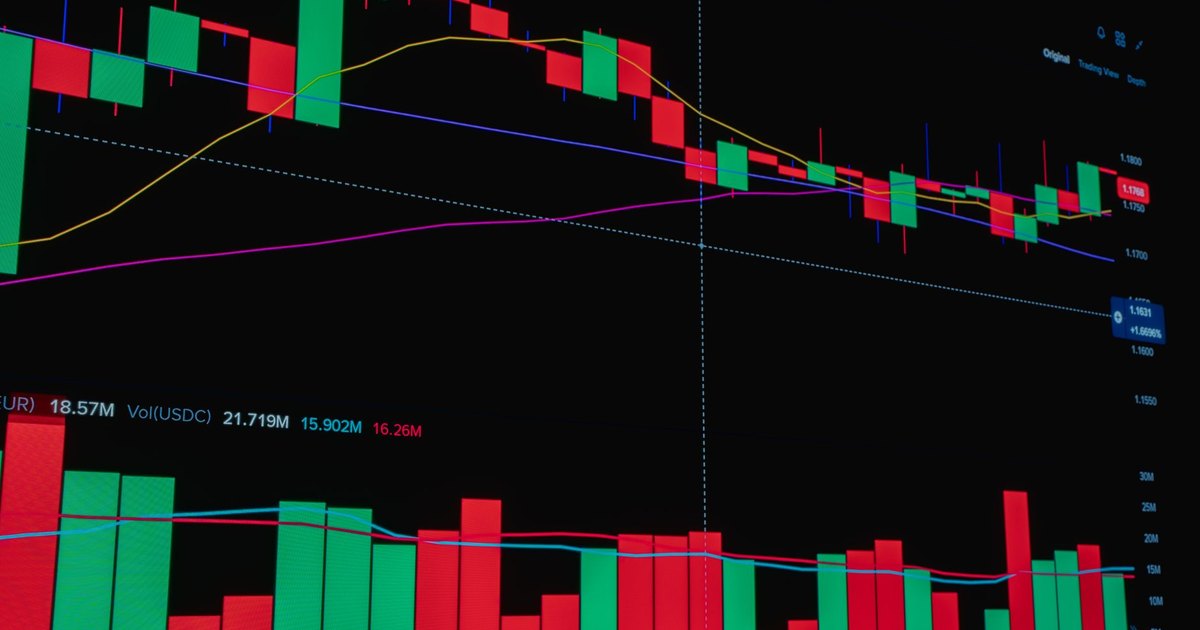
Dogecoin Cofounder Reacts as September Market Selloff Liquidates $361M
September opened with risk assets trading in the red. Dogecoin cofounder Billy Markus posted a sardonic X comment about the selloff, which has liquidated $361 million in crypto positions in 24 hours and pushed DOGE out of the top 10 by market cap.
-

Hyperliquid in talks with Payward to bring US perpetual futures access
Hyperliquid Labs is negotiating with Kraken parent Payward to offer perpetual futures to US traders through the regulated Bitnomial exchange, pending CFTC approval. The move could establish a pathway for the decentralized platform to enter the American market.
-

US revives dormant maritime prize court to seize Iranian oil tankers
The US Justice Department is preparing to revive a centuries-old prize court system to process military seizures of Iranian oil tankers, offering federal prosecutors a faster route to claim goods as US property. The plan faces legal challenges and concerns about operational inexperience.