

Topic: #technology
-

MapQuest adds Surveillance Layer mapping Flock license plate cameras
MapQuest said on Bluesky that its app now has an optional Surveillance Layer that plots known license plate readers from Flock Safety and other vendors, as a bipartisan backlash against the cameras grows.
-
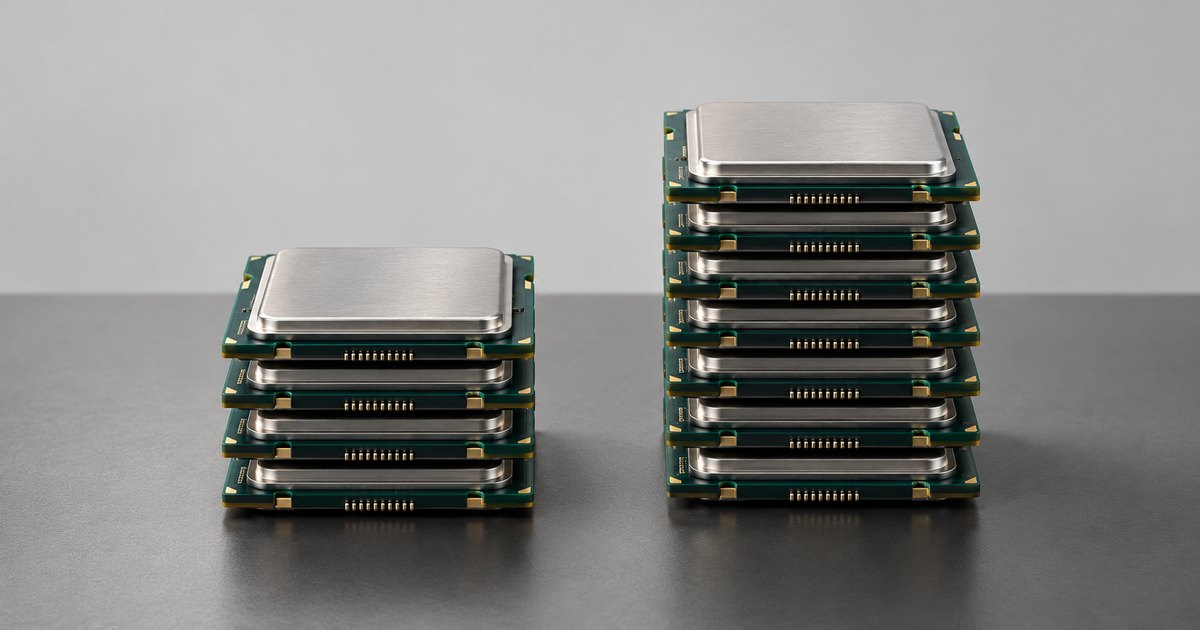
Report puts Nvidia's 2026 chip sales at about $430 billion, roughly twice FY2026 revenue
Nvidia is projected to sell about $430 billion worth of chips in calendar 2026, according to Crypto Briefing, roughly twice the $215.9 billion in revenue the company reported for fiscal 2026.
-

Ethereum sets Glamsterdam's Hoodi testnet activation for Oct. 26 with 200M gas target
The Ethereum Foundation scheduled Glamsterdam for the Hoodi testnet on Oct. 26, 2026, pairing block production changes with a 200 million gas target. Mainnet timing remains undecided.
-

Angel investor Zach Frankel's bets on rival AI startups draw scrutiny
Crypto Briefing reports that Miami-based solo angel Zach Frankel, an investor in Ramp and Cognition, also backs competing AI startups in a portfolio the outlet values at more than $185 billion combined.
-

Eclair v0.14.4 blocks webpages from sending commands to Lightning nodes
ACINQ's Eclair v0.14.4, released Oct. 15, rejects API requests that carry an Origin header. The change closes a route that let malicious webpages send authenticated commands to Lightning nodes using cached browser credentials.
-
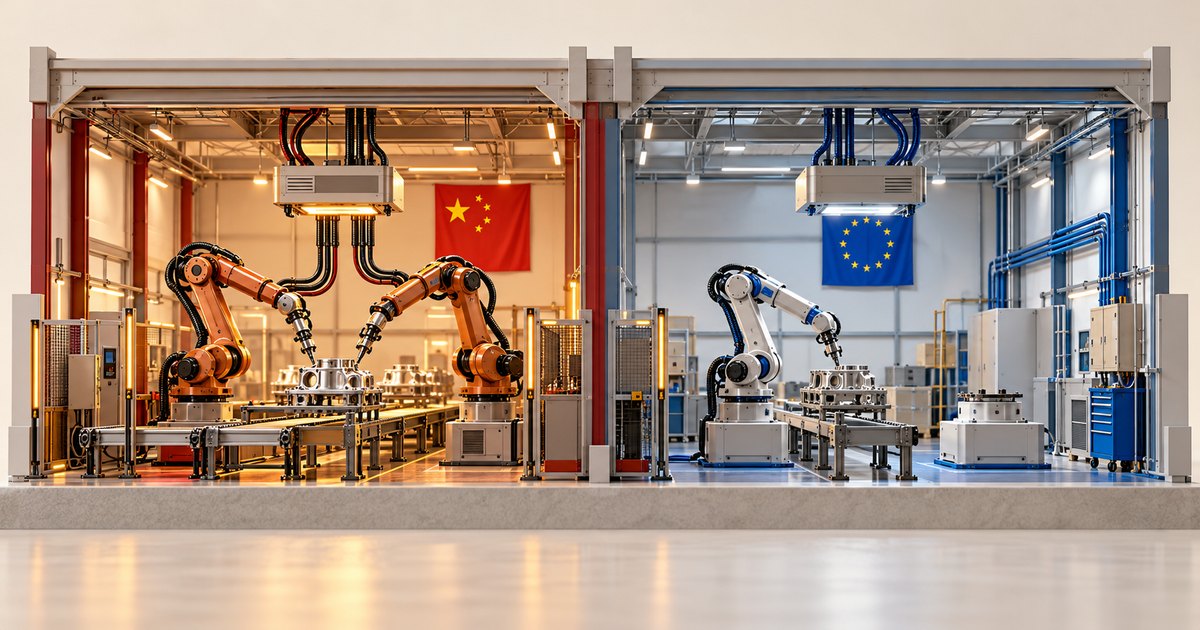
China leads factory AI rollout as EU builds 19 AI Factories, report says
China is ahead of Europe in putting AI to work in factories, according to Bloomberg analysis relayed by Crypto Briefing. The EU is setting up 19 AI Factories, the report said, while Siemens, ABB and Schneider Electric are positioned as a European alternative.
-

Malaysia unveils six locally designed chips at Selangor semiconductor summit
Malaysia showcased six chips from companies in its IC Design Park at the Selangor AI & Semiconductor Summit on October 16, part of a push from assembly toward chip design and IP ownership, Crypto Briefing reported.
-

Meta takes back $25 million from midterm push as ATEP super PAC returns $22M
Meta has pulled $25 million back from its midterm political push: $22 million returned by its ATEP super PAC and $3 million by a California advocacy group, according to Crypto Briefing.
-

Tesla Roadster flips midair at SpaceX demo; flying Rocket not road-approved
Tesla's new Roadster flipped in midair and hopped a row of Teslas at an October 15 SpaceX demo in Texas, but the flying Rocket version is invite only, isn't approved for public roads and won't start production until 2028, Musk said.
-

Nvidia's Huang tells Lex Fridman US export controls should be 'extremely selective'
Nvidia CEO Jensen Huang argued on a Lex Fridman podcast released October 13, 2026, that US export controls on advanced computing should be 'extremely selective,' warning broad restrictions could backfire, Crypto Briefing reported.
-

Citi restricts AI agents from customer accounts, FT reports, as Fraser touts ARC
Citi is restricting AI agents from accessing customer accounts, the Financial Times reported via Crypto Briefing, while CEO Jane Fraser has publicly stressed internal governance through the bank's ARC platform.
-

UK CMA proposes strategic market status for Microsoft's business software
The UK Competition and Markets Authority proposed designating Microsoft with strategic market status in business software, citing switching barriers and bundling. Consultation runs to November 13, 2026.
-

China proposes export controls on AI model weights, agents and computing clusters
China's commerce and science ministries proposed adding advanced AI, including model weights and source code, to the export-control list, according to Bloomberg. Public consultation on the draft runs until November 15, 2026.
-
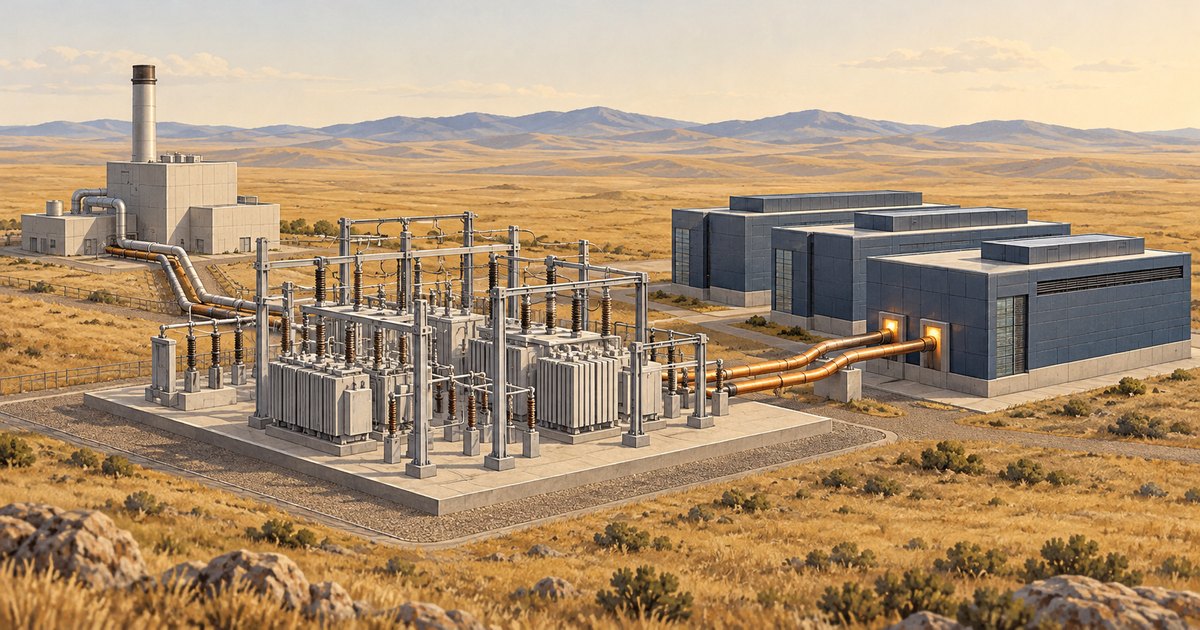
Black Hills signs deal to power Google's Cheyenne data center campus through 2048
Black Hills Corp. signed agreements to power a Google data center campus in Cheyenne, Wyoming, through 2048. The deal includes up to 590 MW of grid power, about $1.8 billion in planned gas capex and $399 million advanced by Google.
-
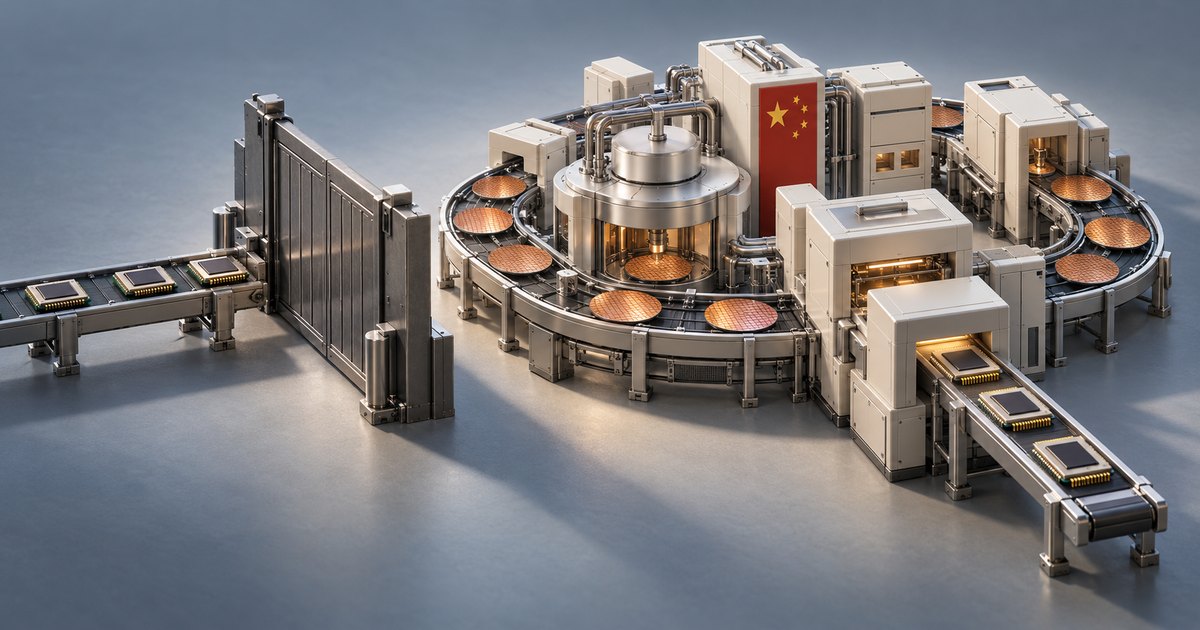
US chip export controls pushed China toward self-sufficiency, says Rakesh Kumar
University of Illinois professor Rakesh Kumar argues US chip export controls drove China toward domestic hardware, as Crypto Briefing reports Huawei gaining share in China's AI accelerator market.
-
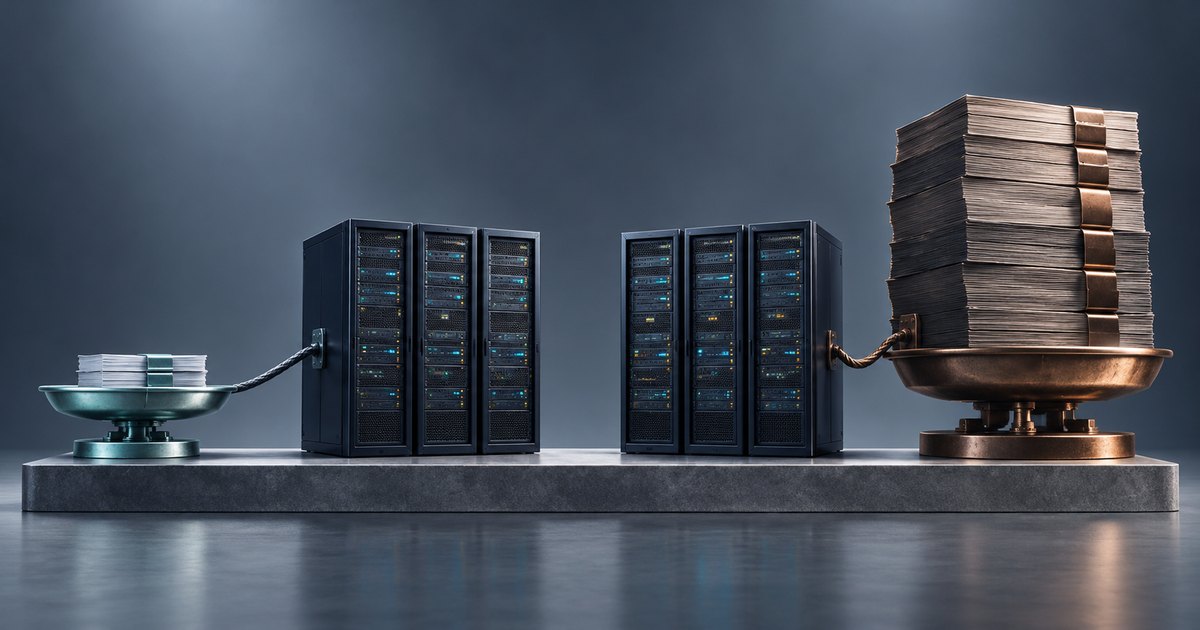
GMI Cloud CEO calls CoreWeave's roughly 15% bond yields "insane"
GMI Cloud CEO Alex Yeh called CoreWeave's bond yields "insane," Crypto Briefing reported. He compared them with a 3.45% loan in Taiwan dollars that his company secured, while some CoreWeave notes yielded around 15%.
-

Nvidia's Jensen Huang says chipmaker put $8 billion to work in Europe in 2025
Jensen Huang said Nvidia deployed $8 billion in Europe last year across 14 startup funding rounds, including Mistral AI, Nscale and Revolut, according to an unverified Crypto Briefing report.
-

Ramp launches Glass AI workspace after reporting $1.5 million week of token spend
Ramp CEO Eric Glyman announced Glass on October 13, 2026. It's an internal AI workspace that packages company workflows into reusable tools, and it follows a week in May when Ramp says it spent $1.5 million on AI tokens.
-

Uber autonomous executive Sarfraz Maredia to leave in November, report says
Sarfraz Maredia, who has overseen Uber's autonomous efforts, will leave on November 16 after more than 12 years, Crypto Briefing reported, with his duties split between two senior directors.
-

Alibaba releases N1 Pro smart glasses with eye tracking and iris payments
Alibaba released its N1 Pro smart glasses on October 13, 2026, adding eye tracking and iris payments to a Qwen-powered wearables line that began as the Quark AI Glasses, according to Crypto Briefing.
-

Meta's Muse Wonder Full ranks second on Artificial Analysis index behind Claude Opus 5.5
Meta released Muse Wonder and Muse Wonder Full on October 12, 2026. The Full model scored 56 on the Artificial Analysis Intelligence Index v4.3, second only to Anthropic's Claude Opus 5.5.
-
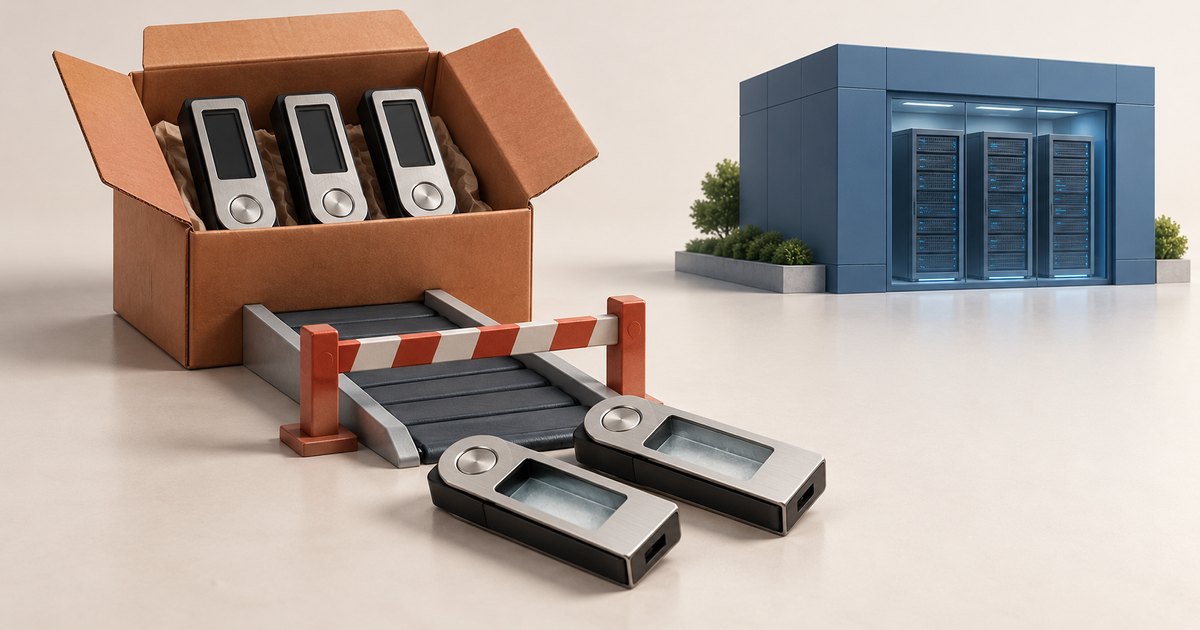
Ledger ties all confirmed cases in suspected $86M drain to reseller CryptoBilis
Ledger said all confirmed cases in last week's wallet-draining incident involved devices sold by reseller CryptoBilis, that its own systems were unaffected, and that CryptoBilis has stopped selling hardware wallets.
-
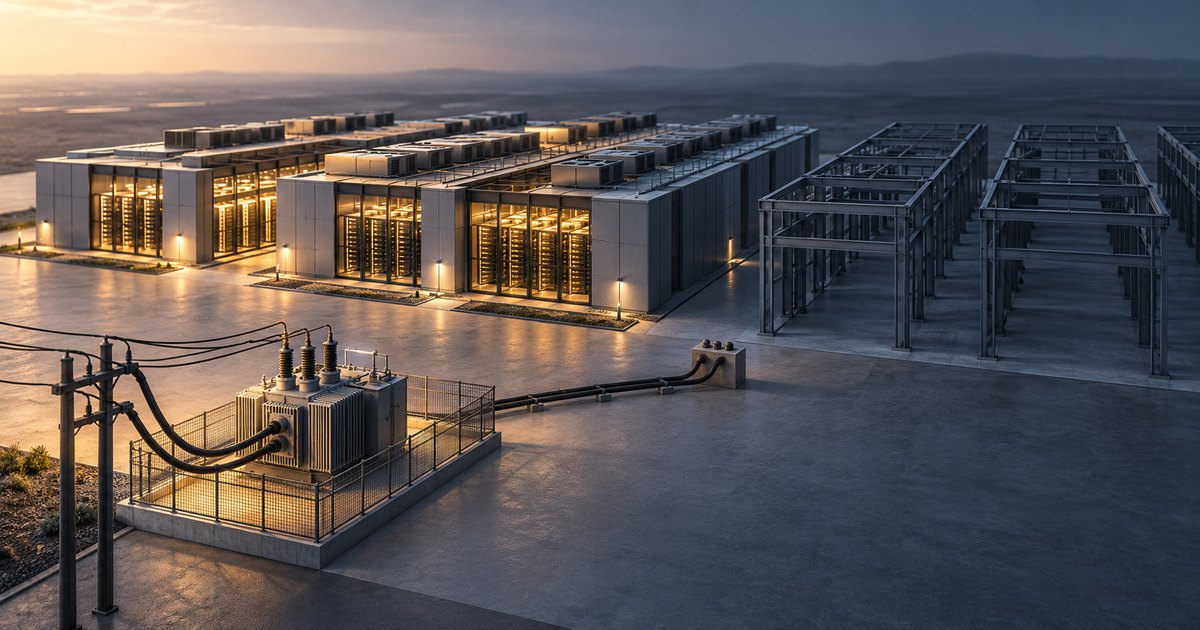
UBS says power and grid limits are driving the next phase of the AI trade
UBS argues in new research that power supply, grid capacity and data center space now drive the AI trade, estimating 57 GW of capacity needed in 2027 versus 38 GW of sites with confirmed power.
-
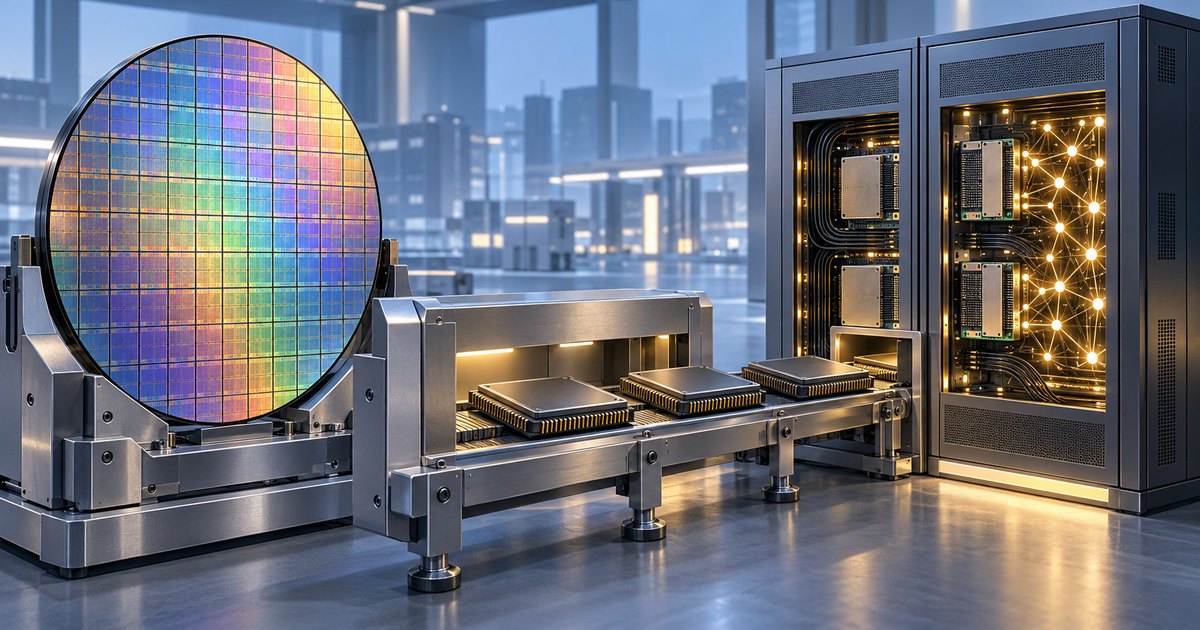
TSMC Q3 revenue tops guidance at NT$1.49 trillion as AI chip demand holds
TSMC reported Q3 2026 revenue of NT$1.49 trillion (about $46.71 billion), up 50% year over year, above its own guidance and the LSEG SmartEstimate. Q3 profit is forecast at around NT$740.8 billion.