

Topic: #macro
-

Ray Dalio recommends 10-15% gold allocation to hedge currency and debt risks
Ray Dalio, founder of Bridgewater Associates, recommended investors allocate 10-15% of portfolios to gold as a hedge against currency depreciation and U.S. debt concerns, signaling a tactical rebalancing rather than a wholesale shift away from bonds.
-
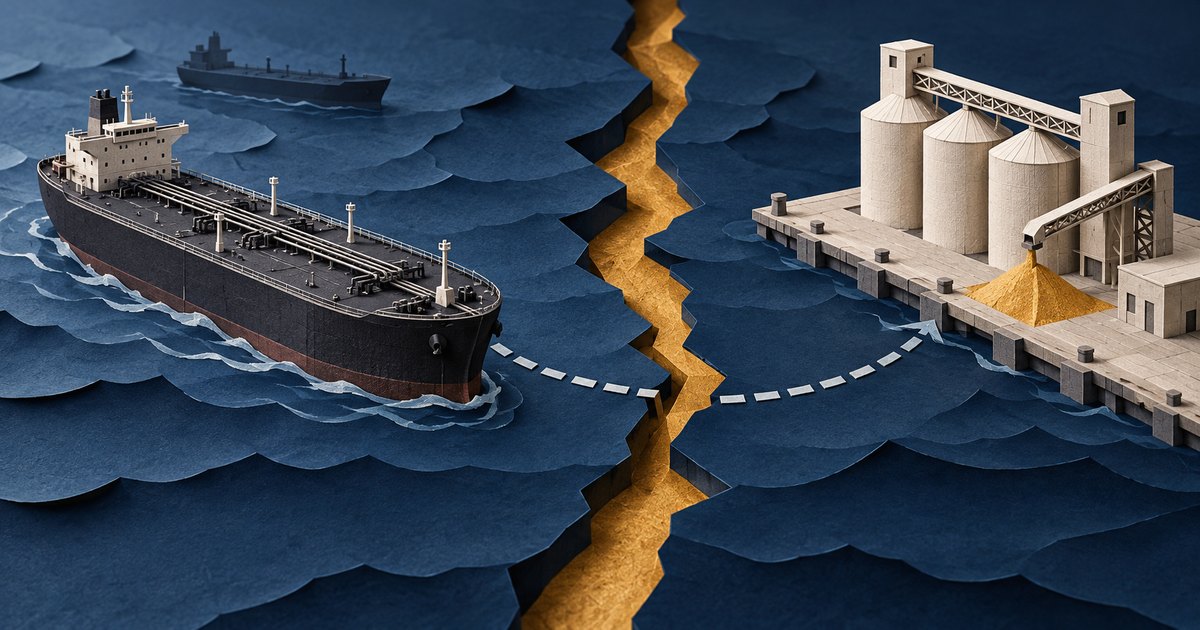
Ukraine strikes Russia's shadow fleet, escalating Black Sea energy crisis
Ukraine's Operation MoLoChKa has targeted 285 Russian tankers evading sanctions, prompting Moscow to intensify strikes on Ukrainian ports. The escalation threatens global energy and grain supplies while killing civilians.
-

Canada seeks $1 trillion investment as US trade tensions escalate
Prime Minister Mark Carney is pitching 167 infrastructure and tech projects to global investors at a September summit, targeting $1 trillion in new capital over five years as US-Canada trade relations deteriorate.
-

White House weighs Defense Production Act to boost US refining capacity
The White House is exploring use of the Defense Production Act to boost domestic refining capacity as diesel prices hit record highs and US refineries operate at near-maximum utilization, with executives recommending efficiency upgrades over new construction.
-

Bank of Russia Holds Rate at 14% Amid Economic Pressures
The Bank of Russia maintained its key interest rate at 14.00%, signaling a cautious monetary stance as the central bank balances inflation control with economic stability amid geopolitical tensions.
-

IEA: Sanctions and drone strikes crippling Russia's oil recovery
The International Energy Agency's latest report shows Russian oil production falling sharply due to Western sanctions restricting equipment access and Ukrainian drone strikes on refining infrastructure, forcing Moscow to prioritize crude exports and triggering domestic fuel shortages.
-

BNP Paribas economist forecasts three Fed rate hikes amid hawkish shift
BNP Paribas economist Mateos y Lago has suggested the U.S. economy may require three Federal Reserve rate hikes, diverging from consensus expectations and driving prediction markets to price in higher odds of September and October rate increases.
-

BRICS finance chiefs warn of unilateral trade actions at Jaipur summit
BRICS finance ministers and central bank governors expressed concerns over unilateral trade actions during a meeting in Jaipur, India, highlighting potential distortions to global trade and inconsistency with WTO rules. The statement reflects the group's preference for multilateral approaches to economic governance.
-

Wall Street warns sustained Fed rate hikes could derail market rally
Market participants increasingly fear a prolonged Federal Reserve rate-hiking cycle could stall growth in equities and risk assets, while a stronger dollar pressures gold prices downward ahead of September's policy decision.
-

Bitcoin tests $76K support as oil surges past $100 amid rate shock
Bitcoin fell below $77,000 on September 10 as crude oil climbed above $100 for the first time since May, triggering a global bond selloff and raising expectations for another Federal Reserve rate increase. The intraday low hit $76,676.07 as traders liquidated over $568 million in crypto positions.
-

UBS Forecasts Two Fed Rate Hikes Before End of 2026
UBS Global Wealth Management now expects the Federal Reserve to raise rates twice by end of 2026, reversing prior guidance. The shift reflects stronger-than-expected employment data and persistent inflation, prompting UBS to raise Treasury yield forecasts and advise clients on portfolio positioning.
-

Houthis seize Mokha port, raising Red Sea shipping concerns
Yemen's Houthi rebels seized the strategic Red Sea port of Mokha in the Taiz governorate, near a key maritime chokepoint. The move raises questions about coastal supply routes and regional stability, with prediction markets pricing in uncertainty over shipping conditions.
-

Bitcoin holds $78K as markets confront underpriced macro shocks
Bitcoin remains in a tight range near $78,000 as investors await critical macro events—Fed decisions, CPI data, and Bank of Japan rate moves—that could destabilize current price assumptions. Glassnode analysis identifies key resistance and support levels tied to long-term holder cost basis and liquidation risk.
-
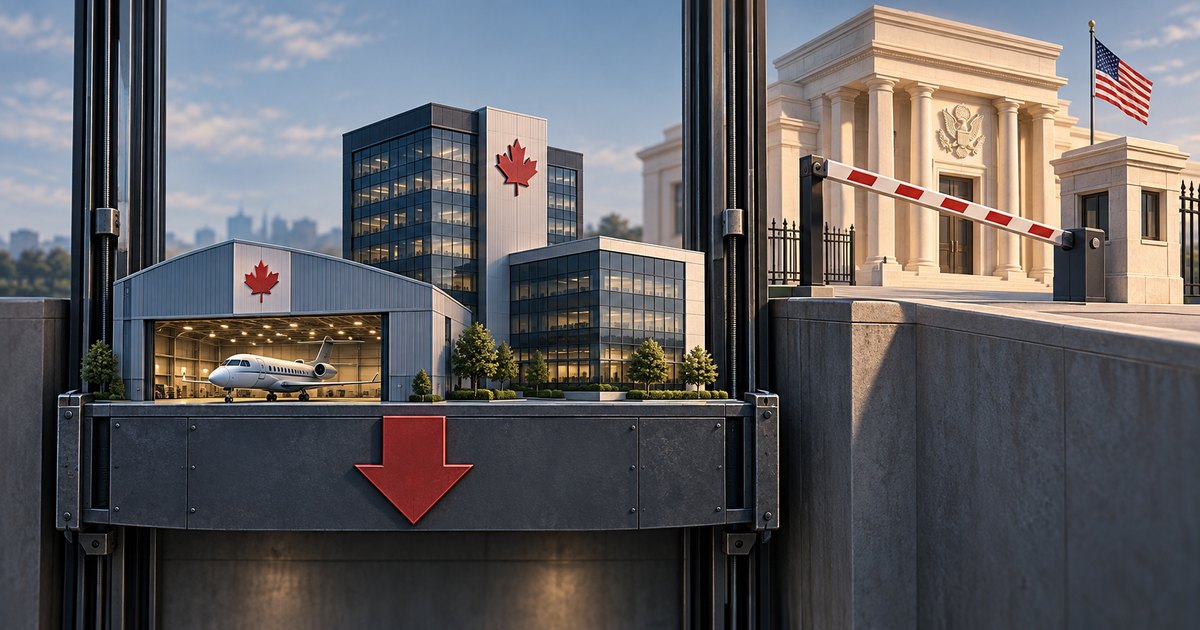
Trump threatens to ban Canadian firms from US federal contracts
President Trump announced plans to remove Canadian-origin products from US federal procurement on September 9, prompting sharp declines in shares of major Canadian contractors including Bombardier, CGI, and WSP Global.
-

Crude oil climbs toward $100 as Middle East tensions escalate
Brent crude recently reached $94.65 per barrel and WTI hit $90.22 as U.S. sanctions on Iran and Middle East strikes influence global oil markets. Geopolitical risks remain one factor among OPEC production decisions and broader economic forces shaping prices.
-
US Oil Prices Surge 41% Since July, Nearing $95 Per Barrel
US crude oil has climbed to roughly $95 per barrel, marking a 41% increase since July 2nd, driven by geopolitical tensions and rising global demand. Prediction markets now price a 1.8% chance of a new all-time high by September 30.
-

Iran Missile Strike on U.S. Bases in Jordan Sends Oil Prices Higher
Iran's missile attack on U.S. military bases in Jordan triggered an immediate rally in crude futures markets. The incident deepened Middle East supply concerns and added to a pattern of escalating Iranian strikes on regional facilities.
-

RBA signals further rate hikes as inflation fight outweighs property strain
Australia's central bank held rates steady at 4.35% in August but signaled readiness to raise further, prioritizing inflation control even as unemployment rises and global peers ease monetary policy.
-

China imposes 99.2% anti-dumping tariffs on Japanese semiconductor chemicals
China's Ministry of Commerce issued preliminary anti-dumping rulings on September 7 targeting Japanese dichlorosilane imports, imposing deposit rates as high as 99.2% and threatening to disrupt semiconductor supply chains as trade tensions escalate.
-
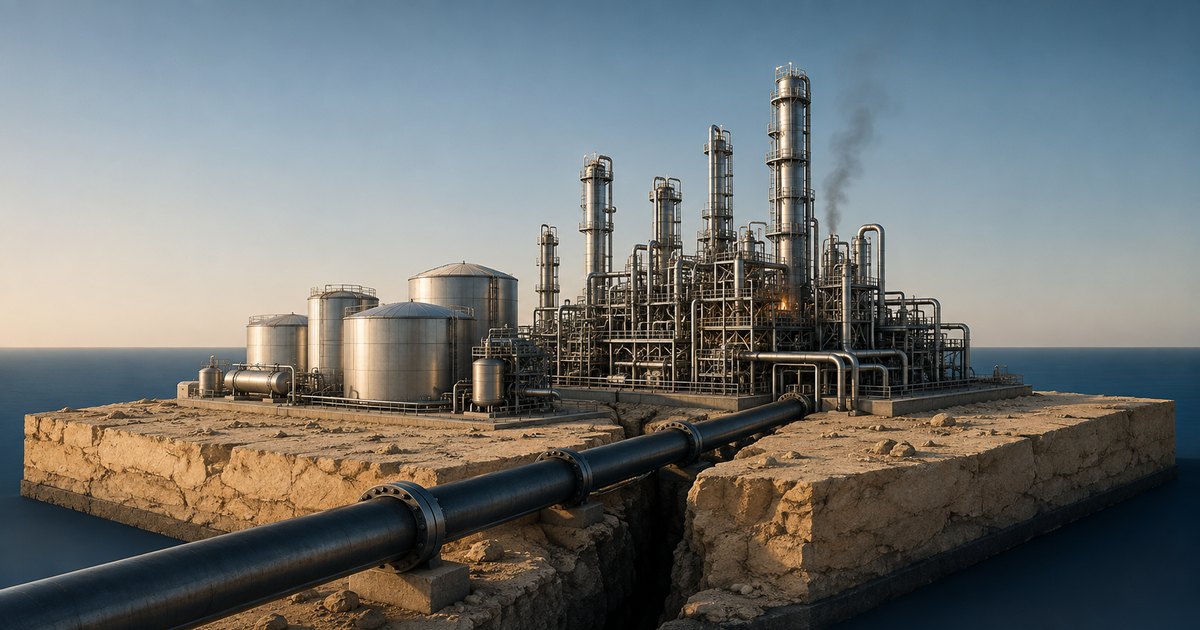
Houthi strikes on Saudi Aramco refinery deepen geopolitical risk to global oil supply
Houthi forces struck Saudi Aramco's Jazan refinery on August 9, marking the latest in a series of 2026 attacks on critical Saudi energy sites. While no casualties were reported and the blaze was contained, the repeated strikes introduce persistent risk premiums into crude pricing and heighten concerns over global oil stability.
-

China's gold reserves hit $350B as PBOC extends 21-month buying streak
China's central bank reported gold reserves valued at $350.08 billion at the end of August, marking a significant jump from $306.35 billion in July. The PBOC has maintained 21 consecutive months of gold purchases, the longest streak on record, as Beijing diversifies away from dollar-denominated assets amid geopolitical tensions.
-

China tobacco monopoly injects CNY 60 billion into ICBC, ABC
China National Tobacco Corporation is investing CNY 60 billion into Industrial and Commercial Bank of China and Agricultural Bank of China as part of a CNY 260 billion capital raise announced September 6, underscoring Beijing's reliance on profitable state monopolies to shore up financial institutions.
-

Diesel prices hit record $5.85/gallon, complicating US inflation fight
The national average retail price of diesel fuel reached $5.85 per gallon on September 4, 2026, surpassing the previous record set in June 2022. Supply chain disruptions from geopolitical conflicts and refinery constraints are keeping prices elevated, potentially delaying Federal Reserve rate cuts.
-

Goldman Sachs: China housing ban cuts land revenues 30%
China's new regulations banning presales are projected to cut land sale revenues by 30%, threatening local government finances and accelerating consolidation favoring state-backed developers as private competitors face solvency pressure.